
You have not yet added any article to your bookmarks!
Join 10k+ people to get notified about new posts, news and tips.
Do not worry we don't spam!
Post by : Samjeet Ariff
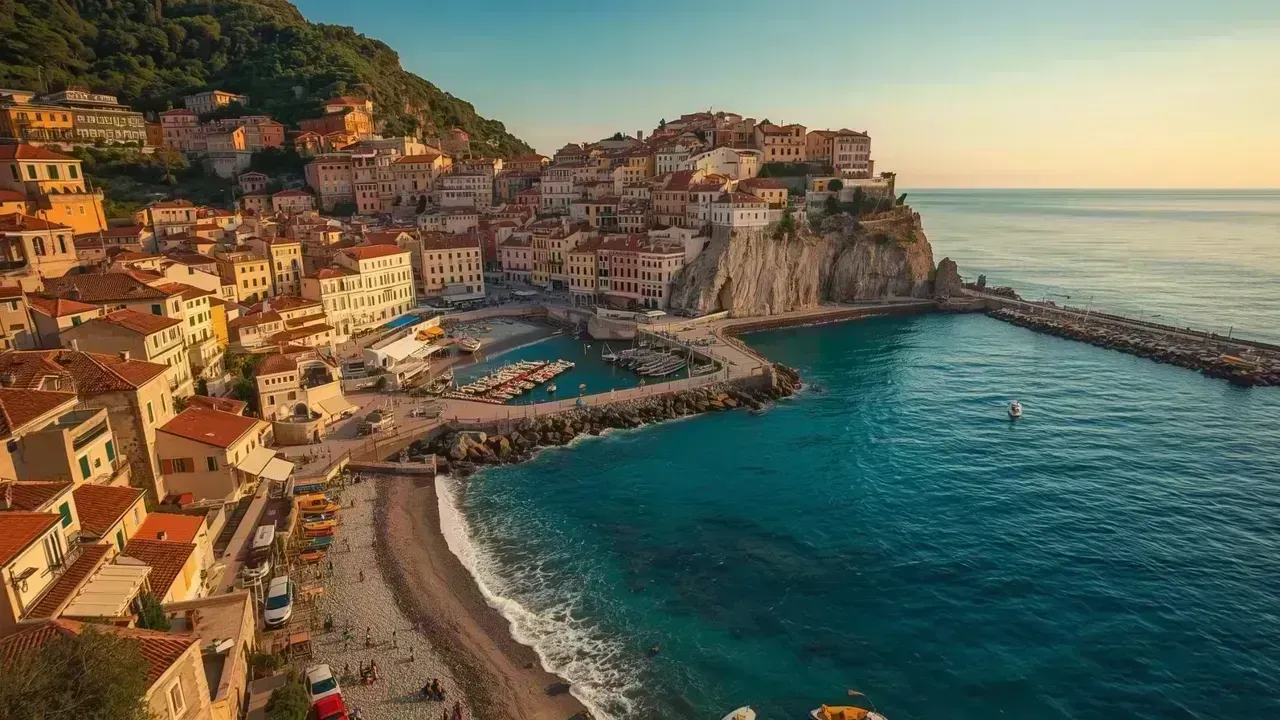
Croatia’s stunning Adriatic coast has emerged as a must-visit destination in Europe. With its blend of medieval architecture, sparkling waters, historic islands, and a laid-back Mediterranean vibe, the region strikes a perfect balance of culture, seaside relaxation, and breathtaking scenery. The cities of Dubrovnik, Split, and the enchanting nearby islands serve as the focal points of most traveler itineraries, each offering a unique charm that enhances your adventure in Croatia.
Combining rich European heritage with modern tourist amenities, Croatia's coastline spans over 1,700 kilometers and boasts more than a thousand islands, many of which are populated and accessible. In comparison to Western Europe, Croatia feels less hectic, safer, and visually stunning, while providing exceptional options for dining, accommodation, and transportation.
Why tourists flock to Croatia’s coast includes its charming historic towns, pristine beaches, affordable island excursions, deep Roman and medieval roots, along with a vibrant cafe and dining scene. The Adriatic Sea is noted for its cleanliness, making it a prime spot for swimming and boating.
Dubrovnik stands as Croatia’s most iconic coastal city, often serving as the first destination for international visitors. Encircled by imposing stone walls and overlooking the vivid sea, Dubrovnik gives off the vibe of an open-air museum. The old town is compact, meticulously preserved, and brimming with history.
What sets Dubrovnik apart is its medieval buildings, red rooftops, and striking coastal landscape. Walking the city walls offers breathtaking views of the Adriatic, making it one of Europe’s most unforgettable travel experiences.
Expectations in Dubrovnik
While visually captivating, Dubrovnik can get quite crowded during the summer months when cruise ships dock. The narrow streets can feel congested at peak times. To enjoy a more relaxed visit, early mornings and late evenings are ideal for exploration.
Staying in Dubrovnik
Opting for accommodation within the old town grants convenience and ambiance, but it comes at a premium and often includes navigating stairs. Many visitors prefer nearby areas like Lapad or Ploče, which provide more value, beach access, and simpler transport while keeping you close to main attractions.
Culinary delights in Dubrovnik
The dining scene in Dubrovnik focuses on seafood, Mediterranean specialties, and Croatian wines. While prices are generally higher due to tourism, the quality remains commendable. Eating outside the old town often helps minimize costs.
Who enjoys Dubrovnik
This vibrant city is perfect for first-timers, history enthusiasts, photographers, and those keen on classic European vistas. Budget-conscious travelers or those uncomfortable with crowds might find it less inviting in high season.
Split presents a contrasting coastal experience. Anchored around Diocletian’s Palace—an ancient Roman structure that serves as the living heart of the city—Split merges its rich history with contemporary urban life. Unlike Dubrovnik, Split resonates with a more lively, everyday atmosphere.
The essence of Split is dynamic, social, and authentic. Locals and visitors alike partake in the same cafes, markets, and seafront promenades, offering a more genuine glimpse into daily Croatian life.
Must-see attractions in Split
Diocletian's Palace forms the core of the city, featuring shops, apartments, cafes, and historic alleys. The Riva promenade serves as a popular gathering spot, especially as night falls. Nearby beaches like Bačvice and Kašjuni allow for easy swimming without venturing far.
Accommodation in Split
Split boasts a broader spectrum of lodging options compared to Dubrovnik. From budget-friendly apartments to boutique hotels and beachfront accommodations, prices are generally more reasonable. Staying close to the old town ensures convenience, while areas slightly further out provide a quieter atmosphere.
Dining and nightlife in Split
Split features a strong culinary scene, boasting fresh seafood, traditional Dalmatian dishes, and various local cafes. The nightlife is vibrant yet manageable, with bars, seaside lounges, and casual clubs to explore.
Ideal travelers for Split
Split is a top choice for those seeking historical insights paired with the energy of a city, easy access to beaches, and links to nearby islands—ideal for longer stays and balanced travel itineraries.
One of the key highlights of Croatia is its islands. Island hopping is straightforward, budget-friendly, and adds richness to any coastal exploration. However, selecting the right island is crucial as each offers a distinct vibe.
Hvar: Chic, Beaches, and Nightlife
Hvar is Croatia's glitziest island. Renowned for its luxury yachts, trendy beach clubs, and bustling nightlife, it draws a youthful crowd and social circles. Beyond the parties, Hvar boasts lavender fields, historical fortresses, and scenic inlets.
Hvar is pricier than other islands, especially during peak season, thus catering to those seeking a lively social scene and upscale beach experiences.
Brač: Tranquil and Picturesque
Famous for Zlatni Rat beach, Brač offers a calmer, family-friendly atmosphere. Perfect for swimming, hiking, and leisurely beach stays, its accommodations are usually budget-friendly, often feeling less crowded than Hvar.
Korčula: Charm and Culture
Korčula resembles a quieter, smaller Dubrovnik. With its medieval streets, historic sites, and vineyards, it appeals to those looking for charm and culture without throngs of tourists, often preferred by couples and slower-paced adventurers.
Vis: Authenticity and Tranquility
Vis is among Croatia’s least commercialized islands, showcasing unspoiled beauty, tranquil villages, and notable sites like the Blue Cave. It’s ideal for travelers who appreciate authenticity and less touristy experiences.
Many travelers encounter challenges when planning to connect these destinations seamlessly. A typical and effective method is to start or conclude in Split as it serves as the primary ferry hub. Opt for a shorter stay in Dubrovnik due to higher crowds and expenses, while Split and its islands lend themselves to longer visits.
A well-rounded itinerary would include two days in Dubrovnik, three days in Split, and three to five days on one or two islands, enabling sightseeing without haste and a blend of city exploration with leisurely relaxation.
While Croatia isn't the cheapest destination anymore, it still offers greater value compared to many Western European coastal locations. Dubrovnik stands out as the most expensive, particularly for lodging and dining. Split presents moderate pricing, while island costs vary by popularity.
Typical pricing trends reveal higher rates in July and August, with better affordability in May, June, September, and early October. Traveling outside peak times can significantly enhance comfort and cost-effectiveness.
The transportation network along Croatia’s coast is dependable. Ferries link crucial islands, buses interconnect towns, and domestic flights cover more distant regions. Renting a car can be helpful when exploring coastal towns but is not essential for city and island-centric itineraries.
Walking remains the main mode of transport in the historic downtown areas, which necessitates comfortable footwear. Many seminal locations are pedestrian-only.
Croatia is known as one of the safest travel destinations in Europe, with rare occurrences of violent crime and well-policed tourist hotspots. The primary concerns include overcrowding, summer heat, and slippery stone streets in old towns.
The ideal months for a visit are May, June, September, and early October. These months boast pleasant weather, fewer visitors, and lower costs. July and August tend to be lively but crowded and higher-priced.
Travelers often overlook travel times between islands, spend too much time in Dubrovnik, or attempt to cram too much into a brief visit. Croatia rewards a more leisurely pace, allowing for deeper, more enriching experiences.
Dubrovnik is perfect for novice travelers and history aficionados.
Split caters to those seeking flexibility and balance.
Hvar is ideal for nightlife-focused travelers.
Brač attracts families and those desiring relaxing beach retreats.
Korčula and Vis are suited for couples or travelers in search of authenticity.
Croatia’s coast represents not one but a series of unique experiences. Dubrovnik captivates with its history and views, Split offers a blend of local life and culture, and the islands deliver options for rest and diversity. The best way to experience Croatia is to recognize these distinctions and plan accordingly. A carefully curated mix of cities and islands allows travelers to enjoy Croatia’s full splendor, comfort, and unforgettable memories.
This article is for informational purposes only. Travel conditions, ferry schedules, prices and regulations may change. Always verify the latest local guidelines and travel requirements before arranging your journey.









Google Signs 3.6-GW Power Deal With Constellation Energy in US
Google signs a 3.6-GW power deal with Constellation Energy, including nuclear power upgrades to supp

Harmanpreet Kaur Steps Down as India Captain Across All Formats
Harmanpreet Kaur steps down as India captain across all formats after a remarkable leadership journe

Michael Bracewell Chooses Casual Contract, Targets BBL Opportunity
Michael Bracewell moves to a casual contract as he eyes a BBL opportunity while remaining available

Tuchel Says Alex Scott Can Challenge Declan Rice for England Midfield Spot
Thomas Tuchel says Alex Scott can challenge Declan Rice for an England midfield place after his impr
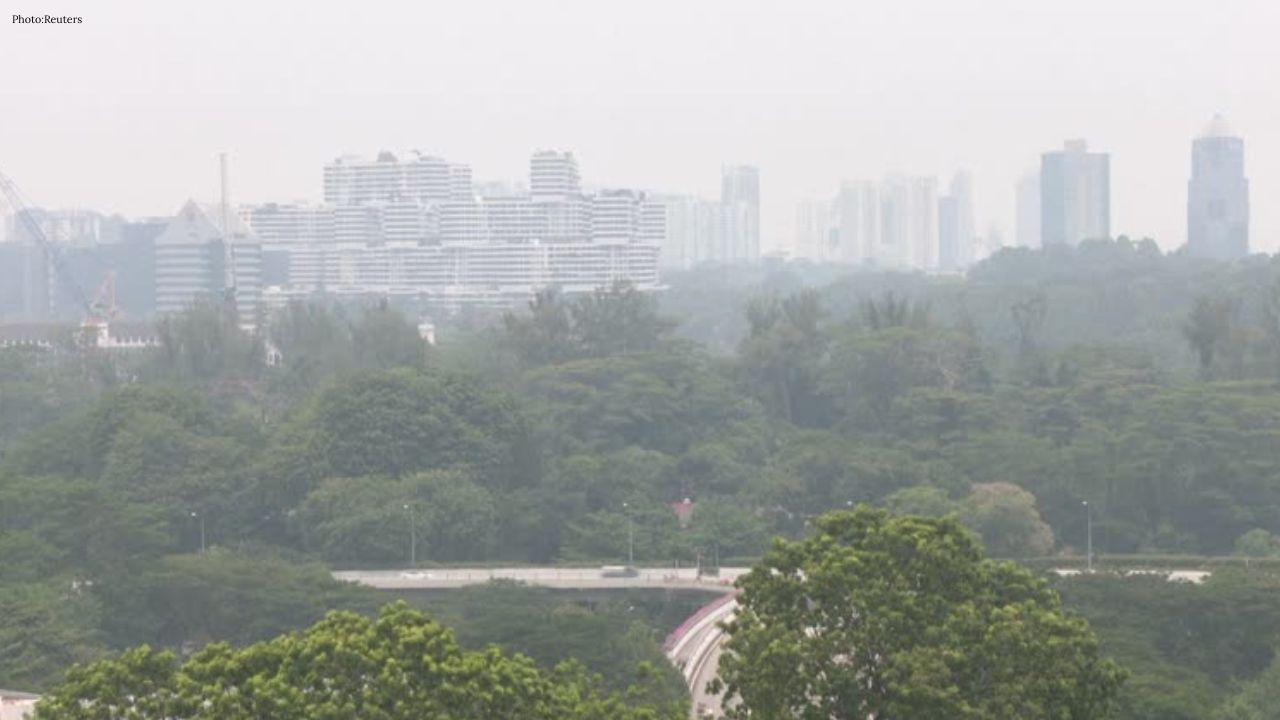
Air Quality Turns Unhealthy in Central and Western Singapore Amid Haze
Singapore haze pushes PSI above 100 in central and western areas as smoke from regional hotspots rai

PM Modi Pays Tribute to Mahatma Gandhi, Urges People to Support Khadi
PM Modi pays tribute to Mahatma Gandhi on Gandhi Jayanti and urges citizens to support Khadi and the

