
You have not yet added any article to your bookmarks!
Join 10k+ people to get notified about new posts, news and tips.
Do not worry we don't spam!

Post by : Laxmi Verma
Asia, a continent brimming with rich history, diverse cultures, and breathtaking architecture, is home to some of the world’s most famous historical sites that attract millions of visitors every year. From ancient temples and majestic palaces to iconic monuments and archaeological wonders, these sites offer travelers a unique glimpse into the past and the vibrant civilizations that shaped human history.
If you are passionate about history or simply love exploring places steeped in cultural heritage, Asia is the perfect destination. In this article, we’ll take you on a journey through some of the continent’s most celebrated historical landmarks.
One of the most recognizable structures in the world, the Great Wall of China stretches over 13,000 miles across northern China. Originally built to protect Chinese states from invasions, this architectural marvel dates back to the 7th century BC, with most existing sections constructed during the Ming Dynasty.
Millions visit the Great Wall each year to hike its scenic trails and marvel at the ingenuity and scale of this ancient fortification. The Wall is not only a symbol of China’s historical strength but also a testament to human perseverance.
Known as a symbol of love and architectural beauty, the Taj Mahal in Agra is one of the most famous historical sites in Asia. Built in the 17th century by Emperor Shah Jahan in memory of his wife Mumtaz Mahal, this white marble mausoleum is a UNESCO World Heritage Site and attracts over 7 million visitors annually.
The Taj Mahal’s stunning design, intricate craftsmanship, and serene gardens make it a must-visit destination for anyone interested in India’s rich Mughal heritage.
Hidden deep within the jungles of Cambodia lies Angkor Wat, the largest religious monument in the world. Originally built as a Hindu temple in the early 12th century and later transformed into a Buddhist site, Angkor Wat symbolizes Cambodia’s cultural pride and resilience.
Every year, over 2 million visitors trek through this vast temple complex to witness its majestic towers, detailed bas-reliefs, and mysterious atmosphere. Angkor Wat is a masterpiece of Khmer architecture and spirituality.
Kyoto, Japan’s ancient capital, is home to hundreds of historic temples and shrines that have attracted pilgrims and travelers for centuries. Sites like Kinkaku-ji (Golden Pavilion), Fushimi Inari Shrine, and Kiyomizu-dera offer insight into Japan’s religious traditions, art, and architecture.
With over 1.5 million visitors annually, Kyoto’s historical sites provide a peaceful retreat where history and nature blend harmoniously.
Located on the island of Java, the Borobudur Temple is the largest Buddhist temple in the world and an iconic symbol of Indonesia’s ancient past. Built in the 9th century, this massive stone structure features nine stacked platforms and thousands of detailed relief panels depicting Buddhist teachings.
Borobudur attracts nearly 2 million visitors a year who come to explore its terraces, watch breathtaking sunrises, and experience a spiritual journey through history.
While Petra is famously known in Jordan, Asia’s own historical gem is Hampi in southern India. This UNESCO World Heritage Site was once the thriving capital of the Vijayanagara Empire. Its ruins include stunning temples, royal complexes, and stone chariots, reflecting the grandeur of medieval South India.
Thousands of tourists visit Hampi each year to explore its ancient architecture amid striking natural landscapes.
So, why do these famous historical sites in Asia attract millions of visitors every year?
While millions flock to these historical sites, preservation is crucial to maintaining their legacy. Many governments and international organizations invest heavily in conservation efforts, sustainable tourism, and cultural education to protect these treasures from the wear and tear of mass tourism.
As responsible travelers, visitors can contribute by respecting local customs, avoiding littering, and supporting eco-friendly initiatives.
This article is for informational purposes only and aims to provide a general overview of famous historical sites in Asia. Visitor numbers and site conditions may vary over time. Readers should verify travel details and local regulations before planning visits. The author is not responsible for any changes or travel-related issues.










Google Signs 3.6-GW Power Deal With Constellation Energy in US
Google signs a 3.6-GW power deal with Constellation Energy, including nuclear power upgrades to supp

Harmanpreet Kaur Steps Down as India Captain Across All Formats
Harmanpreet Kaur steps down as India captain across all formats after a remarkable leadership journe

Michael Bracewell Chooses Casual Contract, Targets BBL Opportunity
Michael Bracewell moves to a casual contract as he eyes a BBL opportunity while remaining available

Tuchel Says Alex Scott Can Challenge Declan Rice for England Midfield Spot
Thomas Tuchel says Alex Scott can challenge Declan Rice for an England midfield place after his impr
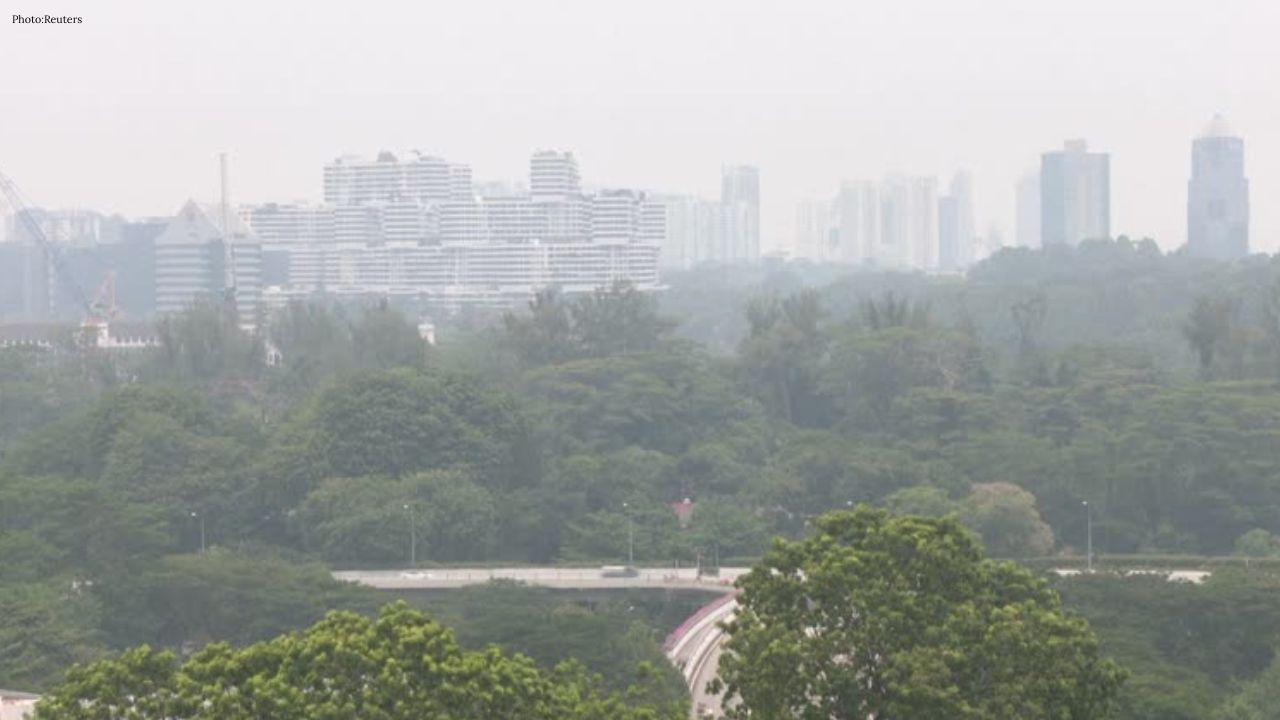
Air Quality Turns Unhealthy in Central and Western Singapore Amid Haze
Singapore haze pushes PSI above 100 in central and western areas as smoke from regional hotspots rai

PM Modi Pays Tribute to Mahatma Gandhi, Urges People to Support Khadi
PM Modi pays tribute to Mahatma Gandhi on Gandhi Jayanti and urges citizens to support Khadi and the

