You have not yet added any article to your bookmarks!
Join 10k+ people to get notified about new posts, news and tips.
Do not worry we don't spam!
Post by : Meena Ariff
Photo: AFP
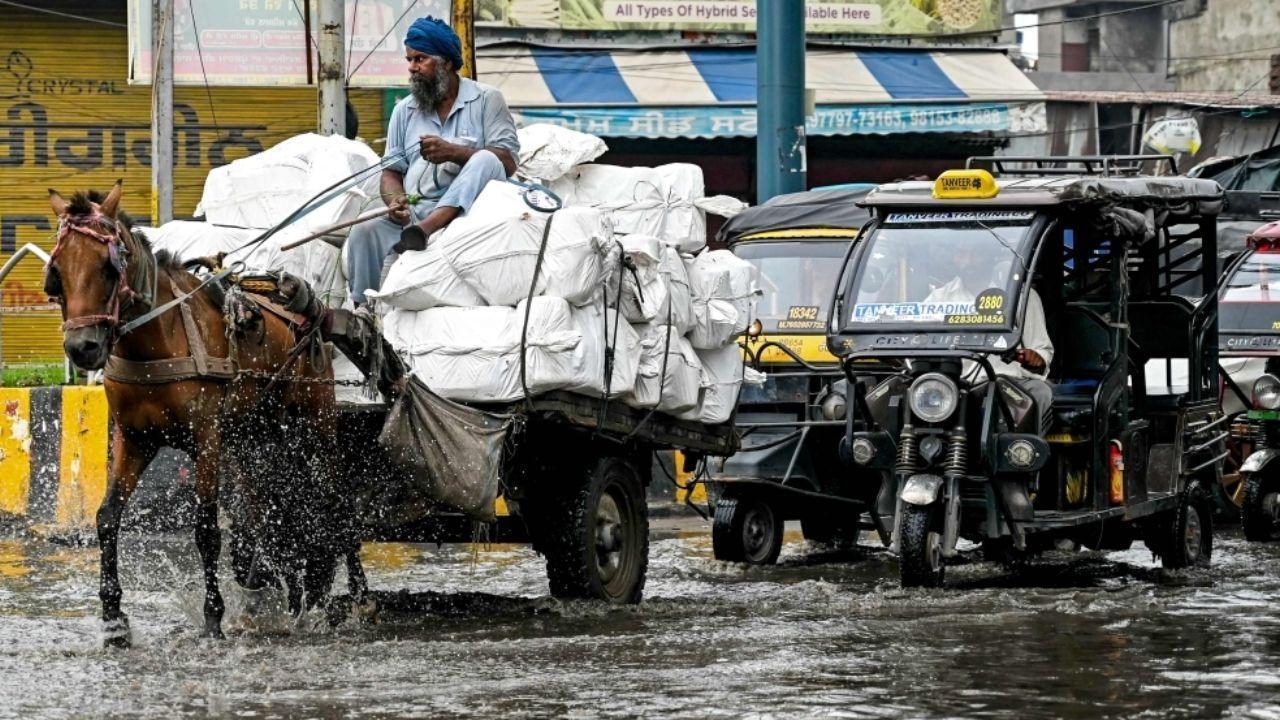
Heavy rains over the past two weeks have caused severe flash floods and landslides in India’s northern Himalayan regions, resulting in the deaths of at least 71 people and injuring about 110 others, officials confirmed today. These natural disasters have had a devastating effect on local communities, with families grieving lost loved ones and rescue teams working tirelessly to find survivors and provide aid to those affected.
India, home to around 1.4 billion people, faces such challenges every year during the monsoon season, which lasts from June to September. While the monsoon brings vital rainfall that supports agriculture and replenishes water supplies, it also often leads to dangerous situations, especially in mountainous areas like the Himalayas. Sudden heavy rains cause rivers to overflow and unstable hillsides to collapse, resulting in flash floods and landslides.
One of the major rivers impacted is the Beas River, which originates in the Himalayan glaciers and flows through Himachal Pradesh. The continuous rainfall has caused the Beas and other rivers to swell, flooding nearby villages, roads, and farmlands. Key highways and transport routes in Himachal Pradesh have been blocked or damaged, complicating efforts for rescue and relief teams to reach those in need.
The state’s revenue department released a statement reporting the “cumulative damage” from these disasters, confirming 69 deaths and over 110 injuries across multiple incidents in the past two weeks. In addition to the tragic loss of life, thousands of homes, schools, bridges, and other infrastructure have been damaged or destroyed, leaving many people displaced and facing urgent needs.
India’s Meteorological Department has issued fresh warnings of more heavy to very heavy rainfall expected soon, especially in Himachal Pradesh and the neighboring state of Uttarakhand. Uttarakhand, known for its scenic beauty and popular tourist destinations, has also been advised to prepare for possible floods and landslides, with residents urged to remain cautious and follow safety instructions from authorities.
Though the monsoon season is crucial for India’s agriculture and water supply, it frequently causes significant destruction, particularly in steep and hilly regions. Each year, floods and landslides claim many lives and damage homes and infrastructure, with the Himalayan areas among the most vulnerable.
Earlier this year in June, similar flooding and landslides affected India’s northeastern states. At least 30 people lost their lives, and many others were injured due to heavy rains in this region. The Brahmaputra River, another major river originating in the Himalayas, overflowed its banks, flooding towns and villages in Assam. This flooding caused widespread damage to homes, crops, and roads, forcing many residents to evacuate.
Other northeastern states like Arunachal Pradesh, Mizoram, and Manipur also experienced flash floods and landslides. The situation was severe enough that the Indian military was called in to assist with rescue operations. Soldiers helped clear blocked roads, deliver food and medical supplies, and evacuate people trapped by rising waters or landslides.
Scientists have observed rising temperatures across South Asia, including India, and shifting weather patterns. While it is unclear exactly how climate change affects the monsoon, variations in timing and intensity have become more frequent. For example, last month Mumbai, India’s financial capital, experienced monsoon rains about two weeks earlier than usual — the earliest start in nearly 25 years. This early and heavy rainfall caused flooding across the city, disrupting transport and business.
The recent floods and landslides in northern India have caused tragic loss and destruction. Rescue efforts continue as authorities try to assist affected people and prevent further damage. For India, the monsoon season remains a vital but challenging time — essential for water and farming but also bringing risks of natural disasters. As weather patterns change and climate effects grow, protecting people and infrastructure from monsoon-related dangers will require stronger disaster preparedness and response efforts in the future.









PSG Coach Luis Enrique Urges Players to Step Outside Comfort Zone
PSG coach Luis Enrique says players must leave their comfort zone and keep improving as the club tar

China’s Tiangong Sets New 400m Record at Robot Olympics
China’s Tiangong robot sets a new 400m record at the Robot Olympics, beating a South African robot i

George Russell Wins Dutch GP Sprint, Boosts Mercedes Morale
George Russell wins the Dutch GP Sprint from pole as Mercedes teammate Kimi Antonelli extends his F1

Australia 50/3 After Bangladesh Bowled Out for 64 in Second Test
Australia reached 50/3 after Bangladesh were bowled out for 64 in the second Test, with Mitchell Sta

Jordan Burroughs Returns to Wrestling with 2028 Olympic Dream
Jordan Burroughs returns to wrestling with Real American Freestyle as the Olympic champion eyes a po

Lamborghini Catches Fire on Singapore's ECP, Causing Heavy Traffic
A Lamborghini caught fire on Singapore's ECP, causing heavy traffic and bus delays. No injuries were