You have not yet added any article to your bookmarks!
Join 10k+ people to get notified about new posts, news and tips.
Do not worry we don't spam!

Post by : Anis Farhan
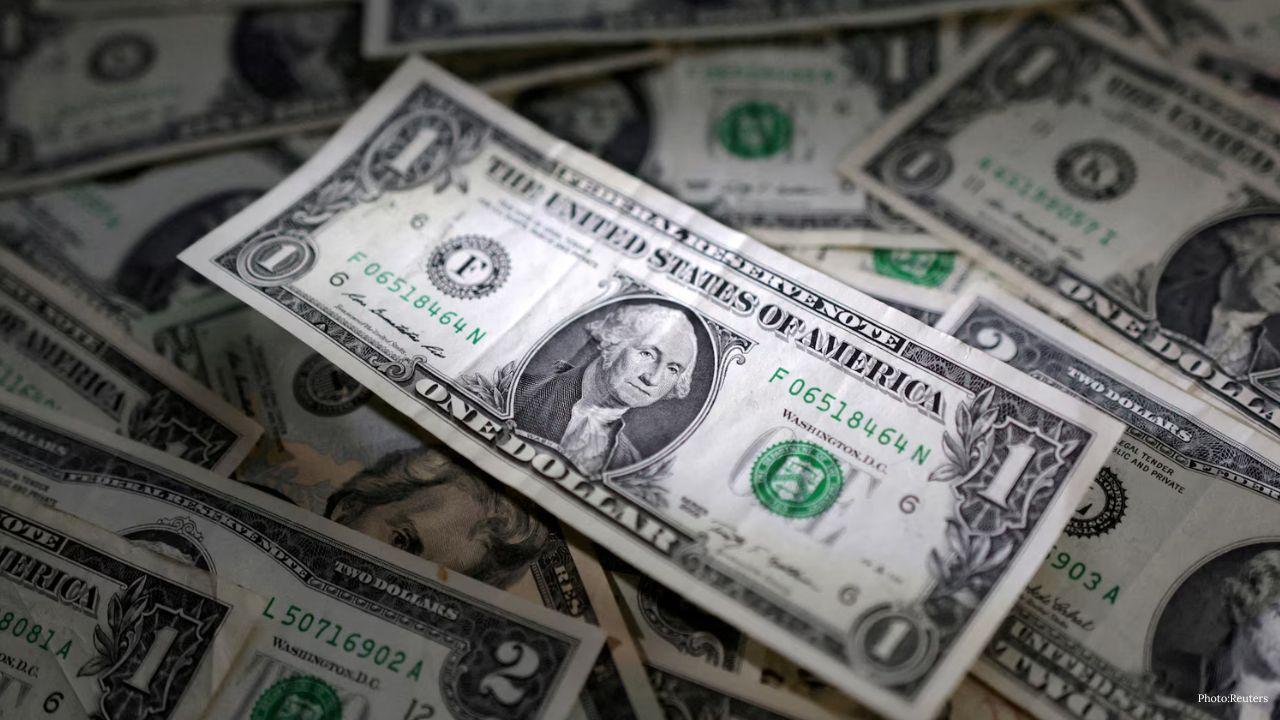
The global forex market entered a turbulent phase today as major currencies experienced heightened volatility across trading sessions. With geopolitical uncertainties, central banks issuing mixed economic signals, and shifts in global risk sentiment, the currency landscape is undergoing rapid changes. Traders around the world are on alert as sudden swings in currency pairs create both opportunities and risks.
This article breaks down the major currency movements, the driving factors behind today’s volatility, sector-wide reactions, trader psychology, and the outlook for the coming sessions. Whether you trade majors, minors, or exotic pairs, understanding today’s shifts is critical for strategic decision-making.
One of the largest influences on today’s forex fluctuations came from diverging monetary policy expectations. Central banks across major economies released signals hinting at varying directions in interest rates—some leaning toward tightening to control inflation, others adopting a more accommodative stance to support growth. These mixed cues left traders recalibrating their positions across major currency pairs.
Renewed uncertainty in global geopolitics led investors to adopt a cautious stance. Safe-haven currencies saw increased demand, while riskier assets experienced outflows. The spike in volatility was a direct reflection of the global risk-off sentiment.
Sharp moves in commodity markets affected commodity-linked currencies such as the Australian Dollar, New Zealand Dollar, and Canadian Dollar. With energy and metal prices showing intraday swings, these currencies responded accordingly.
A downturn in global equity markets pushed several investors to move capital toward safer assets, resulting in strength in certain currencies and weakness in others. Capital flight from emerging markets also influenced forex performance across Asia and Latin America.
The US Dollar emerged strong today as traders priced in the possibility of the Federal Reserve maintaining a cautious stance. Market participants leaned toward the Dollar due to its safe-haven appeal and expectation of sustained interest rate support.
The Euro saw intraday weakness as concerns about slower economic recovery weighed heavily on investor sentiment. Mixed data from the Eurozone, including manufacturing and consumer index fluctuations, added to the bearish undertone.
The British Pound moved in a tight but volatile range. Traders grappled with contradictory economic indicators—some pointing toward inflationary pressures, others hinting at slow wage growth. The uncertainty created choppy movements throughout the trading day.
As geopolitical tensions heightened, the Yen gained strength. Traders sought refuge in the currency due to its historical status as a safety asset. Bond market movements further supported demand for the Yen.
The Swiss Franc mirrored the Yen’s performance. Its stability and defensive appeal helped the currency rise against several majors. Risk-averse traders shifted funds toward the Franc as equity and bond markets showed signs of instability.
With metal prices declining, the Australian Dollar struggled to maintain upward momentum. The currency reacted sharply to iron ore and copper price movements, both of which play significant roles in Australia’s trade dynamics.
Oil-linked currencies, especially the Canadian Dollar, experienced downward pressure as crude oil prices dipped. The correlation between oil and CAD remained strong through the session, reinforcing the currency’s weakness.
Agricultural commodity fluctuations impacted the New Zealand Dollar. Lower dairy and meat prices contributed to a subdued performance.
Asian emerging market currencies fell as global investors pulled back capital. Concerns surrounding global monetary tightening and geopolitical strains contributed to weakness in currencies such as the Indian Rupee, Thai Baht, and Korean Won.
While some Latin currencies weakened in response to falling commodity prices, others remained relatively steady due to supportive local fiscal measures.
Currencies in frontier markets faced volatility as investors reassessed risk premiums. Inflation concerns and reduced foreign reserves played key roles in currency performance across the region.
The rapid fluctuations provide avenues for traders who rely on short-term movements. However, they also increase exposure to unexpected reversals and market shocks.
With fundamentals shifting rapidly, traders are relying more heavily on technical markers—support levels, resistance zones, moving averages, and breakout patterns.
Today’s forex shifts underscore the need for traders to stay updated on global macroeconomic releases, policy statements, and geopolitical developments.
During periods of volatility, liquidity can thin out in certain currency pairs, especially exotic ones, leading to widened spreads and sharper intraday swings.
Several Dollar-based pairs showed breakout patterns, indicating a potential continuation of Dollar strength in the short term.
Cross currencies connected to the Euro and Pound displayed reversal patterns, hinting at possible corrective phases.
With rapid Dollar strengthening, multiple pairs entered overbought technical zones, signaling possible cooling periods ahead.
With uncertainty ruling the day, traders leaned toward defensive positions, preferring safe-haven currencies and avoiding high-risk trades.
Volatile environments attract speculative activity. Many traders took advantage of quick intraday moves, contributing to further market swings.
Large funds and institutional traders shifted to more balanced or defensive positions, focusing on capital preservation during uncertain cycles.
Countries that rely heavily on imports faced increasing cost burdens. A stronger Dollar, in particular, made essential commodities more expensive.
Export-driven economies saw slight benefits from weakening domestic currencies, though global demand concerns limited the upside.
Today’s instability discouraged cross-border allocation, with investors preferring to wait for clearer signals before deploying funds.
With several central banks scheduled to release policy updates, next week’s sessions could witness even stronger movements.
Inflation reports from the US, Europe, and Asia will play a critical role in shaping forex direction in short and medium terms.
Oil, gold, and metal price fluctuations will directly impact commodity-linked currencies.
Stock market performance globally will influence the risk appetite narrative, dictating flows into safe-haven or high-yield currencies.
Markets may remain unstable for weeks, influenced by shifting global economic trends, policy decisions, and geopolitical developments.
Until clarity emerges, investors may continue moving capital toward safe-haven assets, strengthening currencies like the Dollar, Yen, and Swiss Franc.
Despite the uncertainty, this phase offers opportunities for traders with long-term vision, disciplined risk management, and strong technical understanding.
Emerging market currencies may face more pressure before stabilizing, especially if foreign outflows persist.
Today’s forex market turbulence encapsulates the fragile global sentiment driving financial systems worldwide. With major currencies experiencing shifts influenced by geopolitical tensions, policy uncertainty, and changing liquidity dynamics, traders must stay agile. The key lies in understanding the drivers behind each movement, practicing disciplined strategies, and watching global cues closely. As we move further into the trading week, volatility will likely remain a defining feature—offering both challenges and openings for prepared traders.
This article is for informational purposes only and does not constitute financial or investment advice. Currency markets are highly volatile, and traders should consult qualified experts before making financial decisions.









Beauden Barrett Opens Up About Mental Struggles During All Blacks Exile
Beauden Barrett discusses his confidence struggles after missing six tests, his return against Austr

IMF Says AI Investment Supports Global Growth Despite Energy Shock
IMF says AI investment is supporting global growth near 3%, with Asian economies benefiting from ris

Will O'Rourke Ruled Out of New Zealand's India Series
New Zealand fast bowler Will O'Rourke will miss the India series with hamstring and calf injuries as

AI Companies Expected to Drive Most US Earnings Growth in Q3
AI companies are expected to drive US third-quarter earnings growth as investors assess tech profits

Money Market Funds See Record Inflows as Global Bond Selloff Intensifies
Global money market funds attract $153.81 billion as bond yields rise, inflation fears persist and i

Meta Bans TikTok Ads on Facebook and Instagram in Seven Countries
Meta has banned TikTok ads in seven countries, escalating competition over social media users, adver