
You have not yet added any article to your bookmarks!
Join 10k+ people to get notified about new posts, news and tips.
Do not worry we don't spam!
Post by : Anis Farhan
As 2025 unfolds, genetic editing stands at a remarkable crossroads where scientific ambition intersects with profound ethical questions. What began as small-scale gene manipulation decades ago has evolved into a powerful suite of technologies capable of rewriting the code of life itself. Today, researchers can correct genetic diseases before birth, engineer disease-resistant crops, alter immune cells to fight cancer and even explore possibilities once considered pure science fiction.
Yet as the power of genetic editing expands, so do the dilemmas. How far should we go? Who decides what changes are acceptable? What if editing intended for healing becomes a tool for enhancement? These are the defining questions shaping the future of genome engineering in 2025.
This article explores the current capabilities, breakthroughs and boundaries of genetic editing today — and what the future might hold.
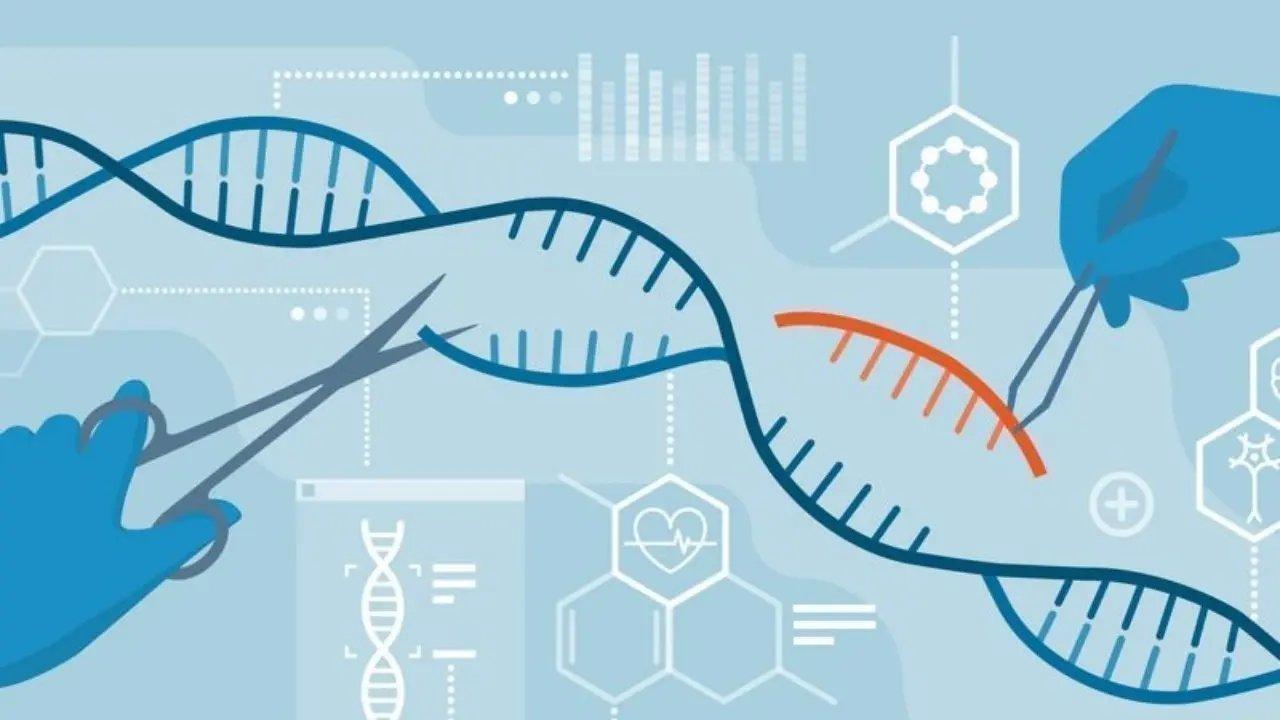
CRISPR-Cas systems remain the most transformative tool in genetic editing. They enable scientists to:
cut DNA at precise locations
remove harmful sequences
insert corrected genetic material
switch genes on or off
CRISPR’s speed, affordability and accuracy have made it the foundation of most genome engineering projects.
While CRISPR cuts DNA strands, base and prime editing techniques allow scientists to make changes without creating double-strand breaks, reducing risks and errors.
Base Editing allows single-letter DNA corrections — ideal for treating genetic disorders caused by tiny mutations.
Prime Editing works like a molecular word processor, replacing or inserting larger DNA segments with remarkable precision.
These advanced tools have become central in research aiming to treat complex and rare diseases.
RNA editing modifies gene expression without altering the permanent DNA sequence. This temporary approach is useful for:
testing therapies
regulating gene expression
treating diseases where permanent edits may be risky
RNA tools offer flexibility and reversibility, helping scientists explore genetic pathways safely.
In 2025, gene therapy has advanced to the point where certain inherited diseases can be corrected in fetuses. For conditions like spinal muscular atrophy or specific metabolic disorders, early genetic editing prevents irreversible damage before birth.
This represents a dramatic shift in medicine — from treatment to prevention at the earliest possible stage.
CAR-T cell therapy and other edited immune cell treatments have become far more refined. Scientists can now:
engineer immune cells to track and destroy tumors
boost the body’s natural immune responses
reduce risks of rejection and toxicity
These personalized therapies offer new hope to patients with cancers that once had no effective treatment.
In 2025, food security is increasingly supported by genetic editing innovations, including:
drought-resistant crops
disease-resistant plants
high-yield varieties
nutrient-enhanced foods
This technology allows farmers to grow stable, climate-resilient produce without relying heavily on pesticides or fertilizers.
Genetic editing has enabled breakthroughs in xenotransplantation — transplanting organs from animals into humans. By removing harmful genes and modifying immune markers, scientists have moved closer to creating viable animal organs that won’t trigger severe rejection.
Preimplantation genetic editing allows parents who carry dangerous mutations to have children free from certain inherited diseases. While still controversial, these techniques have become technically feasible and are gradually moving toward regulated medical use.
One of the biggest questions in 2025 is whether genetic editing should be used solely for medical necessity or whether enhancements — such as higher intelligence, sharper vision or increased physical strength — should ever be allowed.
Critics warn that enhancement editing could create:
genetic inequality
designer babies
new forms of discrimination
unpredictable long-term biological consequences
Supporters argue that enhancement is simply the next phase of human evolution.Access and Affordability: Who Gets the Benefits?
Advanced genetic editing treatments are still expensive, raising concerns that only wealthy individuals or nations will benefit. This could widen global health disparities, giving privileged groups biological advantages unavailable to others.
Ensuring equitable access is one of the major ethical challenges ahead.
Even with breakthrough precision tools, genetic editing carries risks of:
off-target mutations
long-term side effects
unexpected interactions with other genes
altered traits passed to future generations
The full impact of germline editing — changes that affect unborn children and their descendants — remains unpredictable.
Editing that affects only the treated patient — known as somatic editing — is now widely permitted for diseases with clear therapeutic benefits. Many nations have frameworks allowing clinical trials and controlled treatment programs.
This includes:
gene editing for cancer
blood disorders
metabolic diseases
immune deficiencies
Somatic editing is viewed as the safest and most ethically acceptable form of genetic intervention.
Changes to embryos, sperm or eggs — which affect future generations — remain highly regulated or banned in many countries. Governments fear:
genetic unpredictability
heritable mutations
ethical violations
misuse for enhancement
Scientific academies worldwide urge caution until long-term safety data becomes available.
While scientific advancements are rapid, global policymaking lags behind. Nations differ in their views on what is acceptable, creating a patchwork of regulations. This uneven landscape complicates research and raises concerns about “genetic tourism,” where individuals seek procedures in less regulated countries.
Despite breakthroughs, there are limitations in 2025:
Conditions influenced by many genes — such as diabetes, heart disease, Alzheimer’s and autism — remain difficult to treat through editing alone. These conditions involve intricate gene-environment interactions still not fully understood.
The biggest challenge in genetic editing is delivering edits safely and efficiently into the right tissues. Current methods like viral vectors and lipid nanoparticles are effective but not perfect.
Scientists are working on:
tissue-targeted nanoparticles
improved viral vectors
non-viral delivery tools
next-generation molecular carriers
While small edits are precise, inserting or restructuring large DNA segments still carries risks and technical challenges.
Future advancements may allow fully personalized genetic blueprints — treating not just disease but optimizing health from birth.
Genetic editing could help:
repair damaged DNA
restore cellular youth
slow or potentially reverse aging signs
Such developments are in early stages but highly promising.
Scientists envision editing human genes to create resistance against deadly viruses, reducing the spread and impact of pandemics.
Laboratories are experimenting with artificial gene networks and synthetic chromosomes. These could lead to new biological capabilities not found in nature.
Techniques like gene drives could help control mosquito populations, save endangered species or remove invasive organisms — though these tools require careful ecological assessment.
In 2025, genetic editing stands at the threshold of extraordinary opportunity and immense responsibility. The technology is powerful enough to cure diseases once thought untreatable, reshape agriculture, transform medicine and redefine human biology. But it also carries profound ethical, social and biological implications that cannot be ignored.
How far we can go depends not only on what science makes possible but also on what society chooses to accept. The coming years will determine whether genetic editing becomes a force for equitable human progress or a tool that widens divides.
One truth is clear: the future of life itself is being rewritten — one gene at a time.
Disclaimer: This article provides a non-technical overview of genetic editing advancements and ethical considerations. It is not intended as scientific, medical or legal advice.










Beauden Barrett Opens Up About Mental Struggles During All Blacks Exile
Beauden Barrett discusses his confidence struggles after missing six tests, his return against Austr

IMF Says AI Investment Supports Global Growth Despite Energy Shock
IMF says AI investment is supporting global growth near 3%, with Asian economies benefiting from ris

Will O'Rourke Ruled Out of New Zealand's India Series
New Zealand fast bowler Will O'Rourke will miss the India series with hamstring and calf injuries as

AI Companies Expected to Drive Most US Earnings Growth in Q3
AI companies are expected to drive US third-quarter earnings growth as investors assess tech profits

Money Market Funds See Record Inflows as Global Bond Selloff Intensifies
Global money market funds attract $153.81 billion as bond yields rise, inflation fears persist and i

Meta Bans TikTok Ads on Facebook and Instagram in Seven Countries
Meta has banned TikTok ads in seven countries, escalating competition over social media users, adver

