
You have not yet added any article to your bookmarks!
Join 10k+ people to get notified about new posts, news and tips.
Do not worry we don't spam!
Post by : Saif Rahman
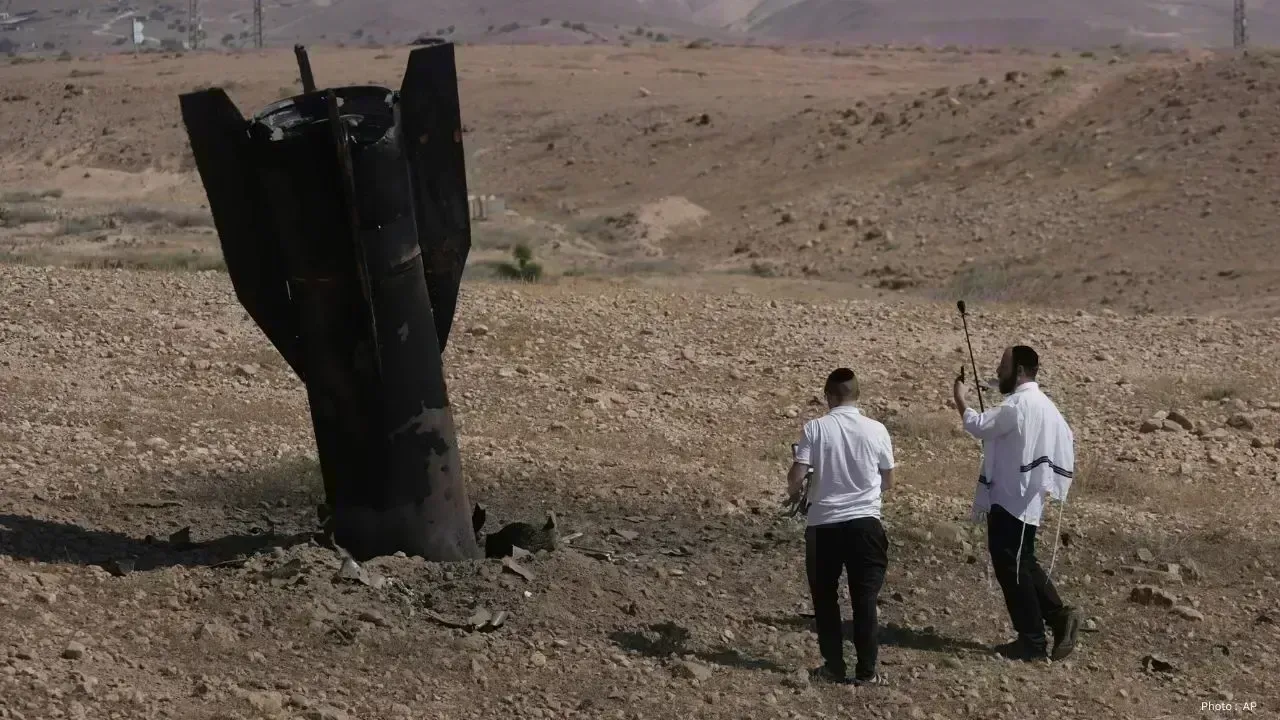
Hezbollah's rejection of a newly proposed ceasefire arrangement has become a significant hurdle for reducing tensions throughout the Middle East. Although diplomatic negotiations involving the United States, Iran, Israel, and Lebanon have sparked hopes for improved stability, ongoing fighting in southern Lebanon highlights the complexities of achieving lasting peace in a conflict-ridden region.
This recent turn of events underscores that agreements signed by governments do not always bring an end to the violence on the ground. While temporary understandings have emerged from diplomatic efforts between various parties, the situation remains intricate due to the involvement of multiple armed factions, political entities, and regional powers, each with its distinct interests and security concerns.
Hezbollah, the influential Lebanese group supported by Iran, is at the heart of the current discord. The group has dismissed terms requiring its fighters to vacate southern Lebanon while Israeli forces remain. Hezbollah's leadership argues that concession would equate to capitulation rather than a fair compromise.
The disagreement surfaces at a particularly delicate moment, with diplomatic talks striving to lay the groundwork for regional stability after months marked by confrontation. Many governments anticipated that progress in negotiations involving Washington and Tehran might mitigate the risk of broader conflict. Instead, the persistent clashes along the Israel-Lebanon border reveal the fragility of these diplomatic endeavors.
For Lebanon, the existing challenges are compounded. The nation is grappling with economic distress, political fragmentation, and widespread public dissatisfaction stemming from years of instability. Ongoing military actions could encumber communities already faced with rising living costs, deteriorating infrastructure, and precarious security.
Lebanese leaders are navigating the delicate balance between supporting diplomatic avenues and addressing pressing domestic concerns. They hope a sustainable ceasefire could foster a safer environment, allowing focus on economic recovery. Achieving this goal, however, hinges on cooperation among all conflicting parties.
Israel categorizes Hezbollah as a significant security threat, with military officials asserting that operations in southern Lebanon are vital to thwart potential attacks on Israeli territories. They contend that any agreement must address security considerations and curtail the capacity of armed groups to execute future assaults.
The contrasting demands from both sides pose substantial challenges to negotiations. One insists on the complete withdrawal of foreign forces, while the other seeks security guarantees before conceding significant terms. This dichotomy results in slow and shaky diplomatic progress.
The implications extend to Iran as well. Tehran's longstanding association with Hezbollah positions the group as a critical regional ally. Developments in Lebanon frequently intersect with broader discussions surrounding Iranian foreign policy and regional dominance, meaning decisions from Tehran could heavily influence future negotiations.
American officials have invested significant effort in fostering diplomatic initiatives aimed at minimizing violence, believing that averting a larger regional conflict is crucial for maintaining stability and safeguarding global interests. Nonetheless, ongoing skirmishes indicate that diplomatic agreements might not suffice in resolving deeply ingrained conflicts.
An additional concern revolves around the repercussions for global trade and energy sectors. The Middle East is pivotal for energy production and transportation. Any escalation in military activity raises alarms about supply chain disruptions and shipping security. Consequently, investors and governments are vigilantly observing the situation, as instability could swiftly impact international markets.
The situation reflects a broader truth regarding modern conflicts: disputes involving multiple factions are often far more challenging to resolve than bilateral disputes. Even when political leaders arrive at agreements, divergent priorities among armed groups, regional allies, and local factions complicate the path toward meaningful resolutions.
For residents in affected regions, the consequences are immediate and personal. Families grapple with uncertainty regarding their safety, livelihoods, and prospects. Continuous fighting disrupts schools, businesses, and public services, and the human cost of prolonged instability is most acutely felt by civilians with limited influence over political decisions.
International observers continue to advocate for restraint and dialogue, with many asserting that diplomacy is the most viable avenue for mitigating tensions and preempting wider conflict. However, successful negotiations necessitate compromise, trust, and readiness from all parties to move past military solutions.
The latest standoff concerning the ceasefire exemplifies the complexities surrounding peace efforts in the Middle East. Although diplomatic channels have yielded some advancement, formidable obstacles persist. Hezbollah's resistance to current terms, coupled with ongoing military engagement and pronounced political schisms, casts a long shadow over hopes for a sustainable resolution. The upcoming weeks are crucial in determining whether regional stakeholders can convert temporary agreements into genuine progress toward enduring stability.









PM Modi Pays Tribute to Mahatma Gandhi, Urges People to Support Khadi
PM Modi pays tribute to Mahatma Gandhi on Gandhi Jayanti and urges citizens to support Khadi and the

Amazon Seeks to Offload $8 Billion in Nvidia Chips to Investors
Amazon plans to move $8 billion in Nvidia chips to investors, using a new financing model to strengt

Samsung Raises Galaxy S26 Prices as Memory Chip Costs Rise
Samsung raises Galaxy S26 prices in South Korea as rising memory chip costs put pressure on smartpho

Lewis Hamilton Calls Singapore Grand Prix One of F1's Toughest Races
Lewis Hamilton discusses the demanding Singapore Grand Prix and brings Plus44 and Almave to Singapor

Denmark's Pandora Opens World's Largest Jewellery Factory in Vietnam
Pandora opens its largest jewellery factory in Vietnam, expanding global production, strengthening s

Gautam Gambhir Questions Batting-Friendly Pitches After India's Record ODI Chase
Gautam Gambhir questions batting-friendly ODI pitches after India’s record chase, calling for a bett

