
You have not yet added any article to your bookmarks!
Join 10k+ people to get notified about new posts, news and tips.
Do not worry we don't spam!
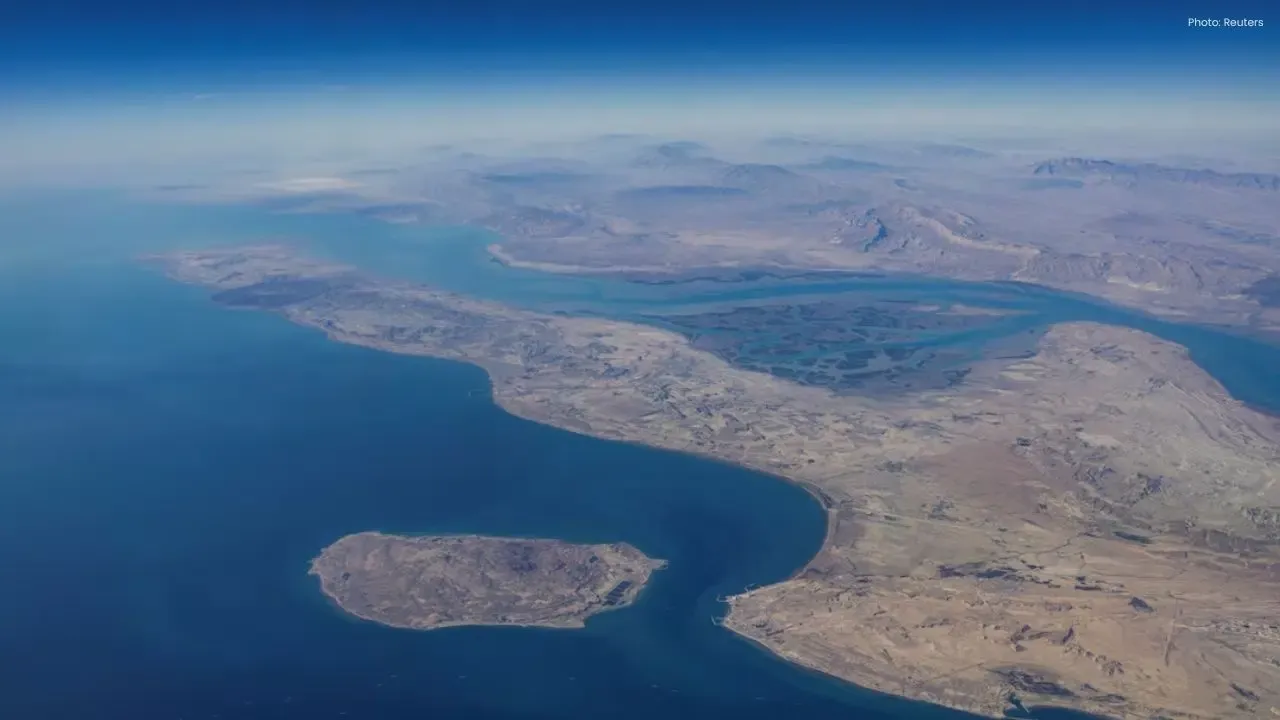
Post by : Badri Ariffin
In the second quarter of 2026, a consortium of the world's leading oil companies amassed an impressive $93 billion in profits, nearly doubling their results from the same quarter the previous year.
This financial success involves companies such as Saudi Aramco, BP, Shell, Equinor, TotalEnergies, Eni, Chevron, and ExxonMobil, as highlighted in a recent report on OilPrice.com.
For context, these entities generated close to $50 billion in profit during the second quarter of 2025. The significant upturn can be attributed to disruptions caused by the conflict in Iran, which severely impacted energy supply chains through the vital Strait of Hormuz.
This conflict, which ignited in late February, brought about widespread chaos in energy markets and escalated crude prices significantly.
The International Energy Agency (IEA) characterized the supply shortage related to this crisis as unprecedented in the history of global oil markets.
Prior to this conflict, approximately 20 million barrels of various oil products traversed the Strait of Hormuz daily, but during the turmoil, this figure dwindled nearly to nothing.
This sharp drop not only hindered crude oil delivery but also disrupted the markets for diesel, jet fuel, and LPG, thereby ramping up shipping and energy costs.
According to the IEA, oil movements through Hormuz averaged only about 2.7 million barrels each day from March to May, compared to the usual daily flows.
Among the oil behemoths, Saudi Aramco saw the most significant gains.
Their net earnings for the second quarter surged 34% to exceed $33 billion, driven by soaring oil prices and heightened sales.
BP also reported noteworthy progress, with second-quarter profits reaching $5.73 billion, nearly doubling its previous year's figures—marking BP’s most lucrative quarter since Q3 2022.
Chevron declared adjusted earnings of $12 billion, including $8.2 billion from upstream activities—its highest profit peak in the last six years.
The energy crisis propelled crude prices upward significantly throughout the spring.
Brent crude price started around $68 a barrel at the end of February, reaching nearly $100 a barrel by May, according to OilPrice.com.
Later, prices became volatile as prospects for a US-Iran agreement fluctuated against concerns over transportation through the Strait of Hormuz.
On August 17, Brent was approximately $89 a barrel, following a 6% rise the prior week. West Texas Intermediate was close to $83 a barrel.
The pricing surge was bolstered by halted US-Iran discussions and a drastic reduction in tanker movements through Hormuz.
Over the recent weekend, only five vessels managed to cross the strait, contrasting sharply with the 31 that crossed the prior weekend, according to Reuters.
The UAE has also accused Iran of assaulting a third vessel from Abu Dhabi National Oil Co., intensifying fears of additional supply disruptions.
These record profits bring to light the varying impacts of the energy crisis.
While oil producers prosper from increased prices, consumers, the airline sector, manufacturers, and transportation networks are shouldering higher energy and shipping expenses.
The IEA estimates that approximately 20 million barrels of oil and oil products generally flow through the Strait of Hormuz per day, constituting about one-fifth of global oil demand.
Though alternative routes, strategic reserves, and augmented output have lessened some effects, the IEA maintains that the near-closure of Hormuz poses a substantial threat to global energy security.
These exceptional profits have reignited discussions surrounding windfall taxes on oil corporations.
Critics contend that energy producers are financially capitalizing on geopolitical tensions that have raised costs for households and businesses. This topic has drawn criticism from figures like US President Donald Trump, who on August 3 stated that ExxonMobil and Chevron are profiting excessively from the crisis.
However, oil companies argue that their revenues are essential for maintaining energy supply during tumultuous market periods. They assert that higher profits further support investments, production, and shareholder returns.
The turmoil has underscored the vulnerabilities tied to ongoing reliance on oil and gas.
The IEA suggests cumulative oil supply losses from Middle Eastern producers could surpass 1.3 billion barrels since the onset of hostilities.
With oil shipments through the Strait of Hormuz plummeting, governments face expansive energy security issues beyond immediate fuel prices.
The crisis has fast-tracked discussions around strategic petroleum reserves, alternative transportation routes, domestic energy production, renewable resources, electrification, and diversifying energy supplies.










PM Modi Pays Tribute to Mahatma Gandhi, Urges People to Support Khadi
PM Modi pays tribute to Mahatma Gandhi on Gandhi Jayanti and urges citizens to support Khadi and the

Amazon Seeks to Offload $8 Billion in Nvidia Chips to Investors
Amazon plans to move $8 billion in Nvidia chips to investors, using a new financing model to strengt

Samsung Raises Galaxy S26 Prices as Memory Chip Costs Rise
Samsung raises Galaxy S26 prices in South Korea as rising memory chip costs put pressure on smartpho

Lewis Hamilton Calls Singapore Grand Prix One of F1's Toughest Races
Lewis Hamilton discusses the demanding Singapore Grand Prix and brings Plus44 and Almave to Singapor

Denmark's Pandora Opens World's Largest Jewellery Factory in Vietnam
Pandora opens its largest jewellery factory in Vietnam, expanding global production, strengthening s

Gautam Gambhir Questions Batting-Friendly Pitches After India's Record ODI Chase
Gautam Gambhir questions batting-friendly ODI pitches after India’s record chase, calling for a bett

