You have not yet added any article to your bookmarks!
Join 10k+ people to get notified about new posts, news and tips.
Do not worry we don't spam!
Post by : Badri Ariffin
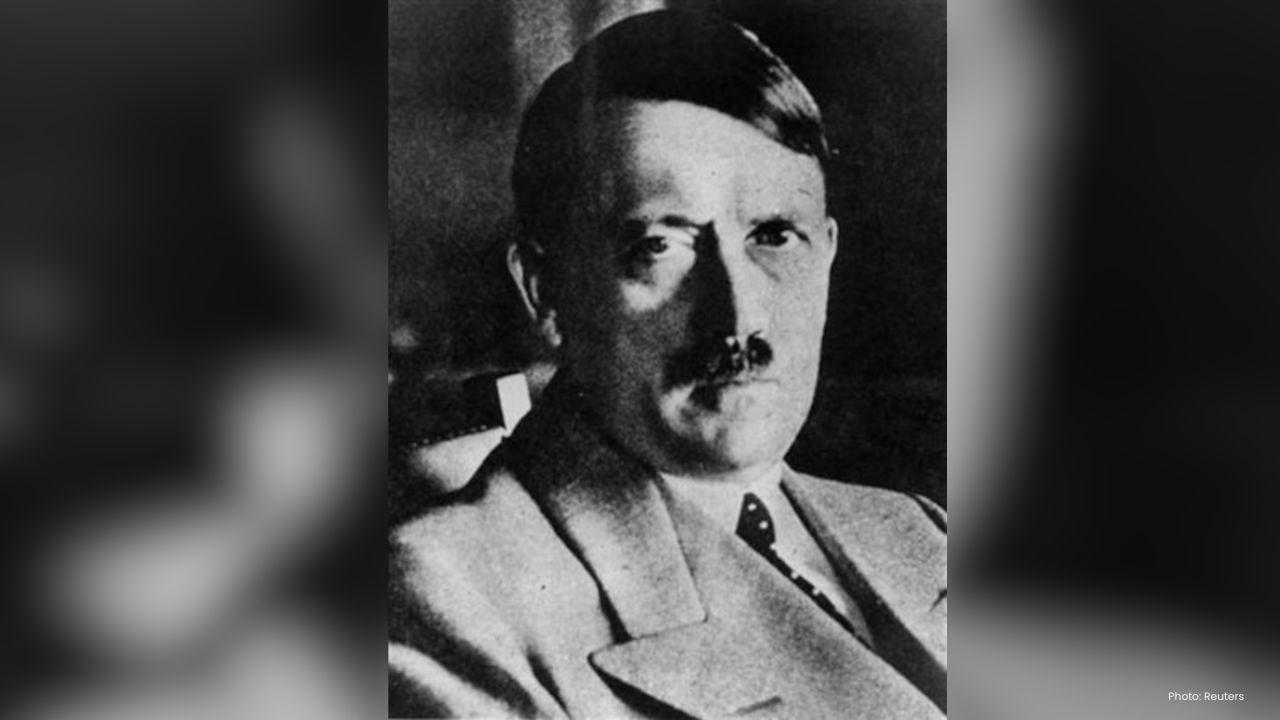
In a groundbreaking study, researchers have successfully sequenced Adolf Hitler’s DNA, offering new revelations about his ancestry and health characteristics. A blood-stained fabric fragment from his bunker has been analyzed, confirming that Hitler had no Jewish descent, effectively dispelling a long-held myth.
This blood sample, preserved for nearly a century and currently exhibited at the Gettysburg Museum of History, underwent rigorous examination by a team of international scientists. The authenticity of this sample was validated through a Y-chromosome comparison with a living relative.
The analysis indicated that Hitler suffered from Kallmann syndrome, a rare genetic condition affecting sexual maturation, which can lead to medical issues such as undescended testes and a micropenis. Researchers suggest that this condition could have impacted his personal life and perhaps intensified his political ambitions.
Moreover, the DNA analysis showcased elevated polygenic scores linked to a higher likelihood of conditions including autism, ADHD, schizophrenia, and bipolar disorder. Experts warn that these scores point to potential risks rather than definitive diagnoses, underscoring the importance of not attributing behavior or character solely to genetics.
While these findings have ignited discussion, researchers clarify that the intention is not to sensationalize Hitler’s legacy. Instead, the study aims to provide a unique intersection of genetics and history, offering insights into enduring inquiries regarding this infamous figure.
This research also prompts ethical debates surrounding the genetic study of historical figures associated with grave atrocities. Scientists contend that, despite the sensitivity of the subject, such explorations can enhance comprehension of these figures without overshadowing historical lessons.
As the complete findings move into the peer review phase, this study sets a noteworthy example of blending detailed historical inquiry with modern genetic analysis, ensuring scientific rigor while remaining sensitive to ethical concerns.










Hyundai raises profit target, expands hybrid lineup in the US
Hyundai hybrid cars get a major boost as the automaker raises its profit margin target and plans new

Josh Kerr and Jakob Ingebrigtsen Set for 1,500m Rivalry Rematch
Josh Kerr and Jakob Ingebrigtsen will renew their 1,500m rivalry at the Ultimate Championship in Bud

PSG Coach Luis Enrique Urges Players to Step Outside Comfort Zone
PSG coach Luis Enrique says players must leave their comfort zone and keep improving as the club tar

China’s Tiangong Sets New 400m Record at Robot Olympics
China’s Tiangong robot sets a new 400m record at the Robot Olympics, beating a South African robot i

George Russell Wins Dutch GP Sprint, Boosts Mercedes Morale
George Russell wins the Dutch GP Sprint from pole as Mercedes teammate Kimi Antonelli extends his F1

Australia 50/3 After Bangladesh Bowled Out for 64 in Second Test
Australia reached 50/3 after Bangladesh were bowled out for 64 in the second Test, with Mitchell Sta