You have not yet added any article to your bookmarks!
Join 10k+ people to get notified about new posts, news and tips.
Do not worry we don't spam!
Post by : Anis Farhan
Photo: AI generated
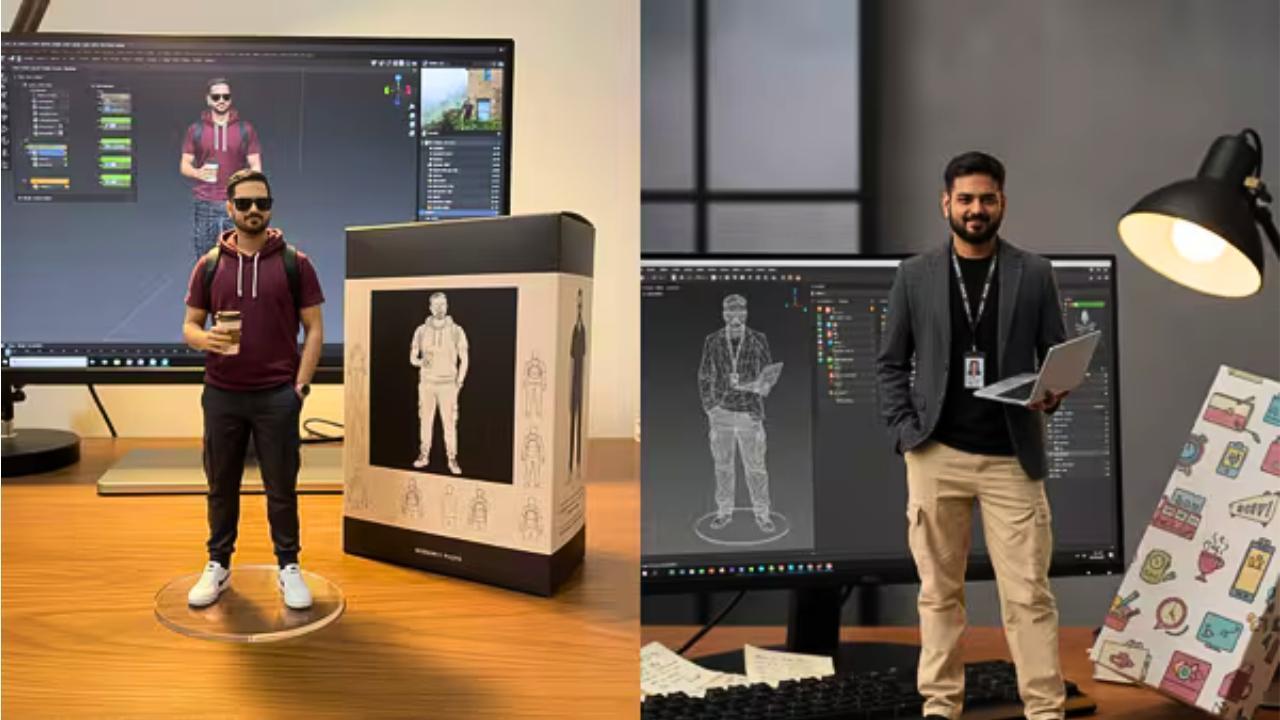
The internet has always been a hub for cultural experimentation, but the emergence of AI-generated trends has added a new dimension to how creativity spreads. From meme-worthy phrases to visually stunning digital art, trends like “Ghibli style” and “Nano banana” have captured the imagination of millions online. While they may seem humorous or fleeting at first glance, these trends actually reflect a deeper transformation: how people are using artificial intelligence to express identity, explore art, and reshape global internet culture.
“Ghibli style” refers to the use of AI to create images or animations that mimic the whimsical, hand-drawn charm of Studio Ghibli’s beloved films. Online platforms are flooded with people turning ordinary selfies, landscapes, and even pets into dreamy illustrations reminiscent of My Neighbor Totoro or Spirited Away.
The appeal lies in nostalgia and relatability. Younger generations who grew up watching Ghibli movies are finding joy in blending advanced AI tools with their childhood fantasies. Beyond aesthetics, it represents a cultural longing for warmth and storytelling in a world dominated by digital filters and photo perfection.
On the other end of the spectrum lies “Nano banana,” a trend rooted more in absurd humor than visual beauty. With AI models generating bizarre yet funny representations of miniature bananas in surreal contexts, the trend has gone viral on social platforms. It speaks to the internet’s love for playful nonsense—a reminder that not all digital art needs to carry a serious message.
This quirky phenomenon reflects the internet’s role as a creative playground. In many ways, “Nano banana” is the digital age’s version of Dadaism, where randomness itself becomes a form of cultural commentary.
Both “Ghibli style” and “Nano banana” highlight how AI has shifted from being a technical tool to a co-creator of culture. Instead of passively consuming content, people are using AI platforms to actively shape what they see and share. These trends blur the line between creator and audience, as anyone with access to an AI generator can participate in the trend and add their unique twist.
The democratization of creation is perhaps the most revolutionary aspect of these AI-driven fads. In previous decades, artistic movements were often restricted to professional artists. Today, cultural waves are shaped by millions of everyday internet users experimenting with AI.
Why do these trends catch on so quickly? Psychologists suggest that it comes down to three factors: novelty, community, and relatability.
Novelty: AI-generated visuals are fresh and surprising, offering people content they haven’t seen before.
Community: Shared trends create a sense of belonging. When users generate their own “Ghibli style” portrait or “Nano banana” meme, they’re joining a larger conversation.
Relatability: These trends tap into emotions—nostalgia in the case of Ghibli, humor in the case of Nano banana—that people are eager to share.
In the digital world, identity is often crafted through what we share online. By participating in AI trends, users are signaling their tastes, humor, and cultural affiliations. A person posting a Ghibli-inspired AI portrait may be communicating their love for storytelling, while someone sharing a Nano banana meme might be highlighting their playful, ironic side.
This shows how internet culture is no longer about passive scrolling; it’s about active expression. AI tools are amplifying that shift, giving people the ability to experiment with identities that may not be possible offline.
Naturally, where cultural trends go, brands follow. Already, companies are experimenting with AI-generated art styles to engage younger audiences. A snack brand might create a playful Nano banana campaign, while a fashion label could roll out Ghibli-inspired visuals for marketing.
This commercialization raises questions about authenticity. While trends thrive on grassroots creativity, corporate adoption sometimes risks diluting their charm. Yet, the blending of grassroots and commercial creativity illustrates just how central AI-driven art is becoming in digital economies.
One lingering question is whether these AI trends will endure or fade as fleeting internet memes. Some may vanish as quickly as they arrived, but their impact will linger in shaping how people view AI as a cultural tool.
“Ghibli style” might inspire more serious artistic collaborations between AI platforms and animators, while “Nano banana” might fade into internet history as a lighthearted moment. Regardless, both highlight the growing role of AI in accelerating cultural cycles—what once took years to become a trend now takes days.
Amid the fun, ethical questions remain. Who owns the rights to AI-generated images? Is it ethical to replicate a distinct art style, such as Studio Ghibli’s, without consent? These debates are becoming central as AI continues to democratize creativity while challenging traditional notions of authorship.
The rise of trends like Ghibli style also raises broader concerns about originality. If millions of AI users create content in the same style, does it dilute creative diversity? Or does it simply open new avenues for cultural experimentation?
AI-driven fads like “Ghibli style” and “Nano banana” may appear random or whimsical, but they reveal profound insights into our relationship with technology, creativity, and community. They show that the internet is no longer just a stage for viral memes but a dynamic ecosystem where technology and human imagination co-create culture. Whether serious or silly, these AI-powered waves prove that digital creativity is becoming faster, more accessible, and deeply intertwined with how we express ourselves online.
This article is written for informational purposes for Newsible Asia readers. It reflects cultural observations and does not promote any specific product, platform, or AI service.








Danaher to Launch AI-Powered Autonomous Research Lab in 2027
Danaher plans an AI research lab for 2027, combining robotics and automation to speed up drug discov

Musk Welcomes German Support for Tesla Driver Assistance Tech as EU Approval Push Continues
Elon Musk welcomes Germany's backing for Tesla FSD as the company seeks EU approval amid speed, safe

Microsoft and Nvidia CEOs to Unveil AI Laptop at San Francisco Event
Microsoft and Nvidia showcase a new AI laptop with RTX Spark chips as they push powerful local AI co

Man to face charges over perfume thefts at Changi Airport
A 47-year-old man faces charges over perfume theft at Changi Airport after six items worth nearly S$

Google Signs 3.6-GW Power Deal With Constellation Energy in US
Google signs a 3.6-GW power deal with Constellation Energy, including nuclear power upgrades to supp

Harmanpreet Kaur Steps Down as India Captain Across All Formats
Harmanpreet Kaur steps down as India captain across all formats after a remarkable leadership journe