
You have not yet added any article to your bookmarks!
Join 10k+ people to get notified about new posts, news and tips.
Do not worry we don't spam!
Post by : Samjeet Ariff
Disclaimer: This article is for general informational purposes only and should not be considered financial or investment advice. Readers should verify regulatory updates from official authorities before making business decisions.
The Gulf Cooperation Council (GCC) region is undergoing one of the fastest and most strategic energy transitions in the world. Known for its oil dominance for decades, the region is now rapidly shifting toward green hydrogen, solar energy, wind power, and other renewable solutions to secure a more sustainable economic future. This shift is not just environmental; it is an economic transformation that is reshaping investments, industries, job markets, and global competitiveness.
The GCC’s move towards renewables is strategic, ambitious, and driven by its desire to stay ahead in a world that is moving toward cleaner energy sources.
Countries like the UAE, Saudi Arabia, Oman, and Qatar have acknowledged that the global energy market is changing. Large economies worldwide now demand cleaner fuels, reduced carbon footprints, and sustainable industrial operations.
To stay relevant, GCC nations are investing heavily in renewable energy, carbon-neutral technologies, and green hydrogen production facilities.
This shift isn’t optional; it is an economic necessity. Global buyers will increasingly prefer clean-energy-powered industries, and GCC nations want to remain at the center of international energy supply.
Green hydrogen is one of the most talked-about clean fuels globally. It is produced using renewable electricity to split water into hydrogen and oxygen, making it 100 percent clean with zero emissions.
The GCC sees this as its next major export opportunity for multiple reasons:
The region’s vast solar energy potential makes it ideal for hydrogen production.
Large-scale land availability allows construction of mega renewable projects.
Global demand for clean fuels is expected to increase dramatically by 2030 and beyond.
With Europe and Asia already planning long-term hydrogen imports, GCC nations want to become the world’s leading suppliers of clean hydrogen.
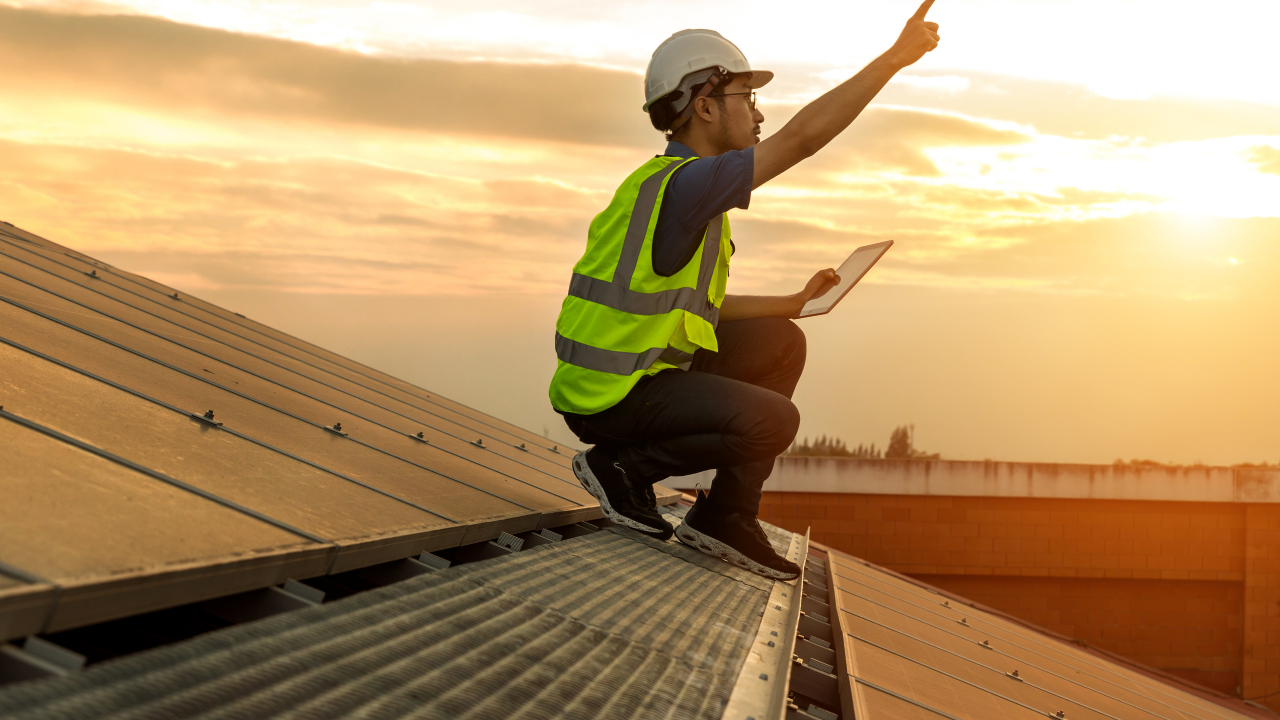
The GCC region receives some of the highest solar radiation levels on the planet. This natural advantage significantly reduces the cost of renewable energy production and makes the region competitive globally.
Across the GCC, governments have announced aggressive renewable energy targets such as:
The UAE aiming for Net Zero by 2050
Saudi Arabia’s Vision 2030 focusing on clean energy diversification
Oman targeting leadership in green hydrogen export
These policies ensure long-term investor confidence and attract global companies looking to enter the clean-energy market.
The region is witnessing a surge in massive clean-energy projects such as:
Large-scale solar farms
Green hydrogen production hubs
Sustainable industrial zones
Wind power installations in selected suitable regions
These projects are not only providing renewable energy but also generating new employment in engineering, skilled labor, operations, and research.
International investors, technology providers, and energy companies are now partnering with GCC governments to build future-ready energy ecosystems.
These investments are flowing into:
Hydrogen production facilities
Renewable-powered manufacturing
R&D centers
Export infrastructure
This inflow supports local economies and accelerates diversification beyond oil.
As the region transitions, a wave of new jobs is emerging in sectors such as:
Solar farm construction
Hydrogen plant operations
Renewable energy engineering
Data and energy analytics
Battery storage technologies
These fields are becoming attractive options for young professionals and skilled workers seeking long-term career stability.
Renewables reduce the cost of electricity generation. This benefits industries like:
Steel
Aluminum
Fertilizers
Petrochemicals
These sectors are now more competitive globally because clean, low-cost energy improves efficiency and reduces carbon footprint.
Green hydrogen can power industries that cannot rely solely on electricity, such as:
Shipping
Aviation
Heavy manufacturing
Transportation fleets
Countries transitioning to net zero will require massive amounts of low-emission fuel, positioning the GCC as a key global supplier.
With access to Asian, European, and African markets, the GCC sits at a crossroads of global hydrogen trade routes. This makes the region a natural distribution hub for cost-efficient exports.
Just as the GCC dominated global oil markets for decades, it now aims to lead the world in the next major energy wave: clean hydrogen exports.
By leveraging existing infrastructure, technology partnerships, and expertise in large-scale energy projects, the region is well-positioned to replicate its historic energy success.
Green hydrogen requires large quantities of water. In a desert region, this poses challenges. However, GCC countries are increasingly investing in new desalination technologies that rely on renewable power rather than fossil fuels.
While renewables are becoming cheaper, setting up green hydrogen plants and large solar farms requires significant upfront capital. The GCC is addressing this through:
Public-private partnerships
Long-term energy contracts
Government subsidies in early development stages
The region must continue to train and attract the skilled workforce required for new technologies. Educational institutions are now offering renewable energy programs to prepare talent for future industries.
The GCC is preparing for a future in which hydrogen becomes a mainstream global fuel. By 2035, the region could be exporting millions of tons of hydrogen annually.
This strengthens economic stability and reduces dependence on traditional oil exports.
Projects like NEOM in Saudi Arabia and Masdar City in Abu Dhabi are examples of urban environments powered by renewable sources.
These cities showcase how clean energy can lead to:
Better air quality
Reduced emissions
More efficient urban living
Countries leading the renewable transition are more likely to attract global companies that want to operate sustainably. This enhances regional competitiveness and solidifies the GCC as a global clean-energy powerhouse.







Nvidia Pledges $250 Million for UK AI Safety Research
Nvidia will provide $250 million in computing resources over five years to support AI safety researc

Jacob Bethell Returns as England Name Squads for Australia Tour
England name ODI and T20 squads for the Australia tour, with Jacob Bethell returning from injury and

Beauden Barrett Opens Up About Mental Struggles During All Blacks Exile
Beauden Barrett discusses his confidence struggles after missing six tests, his return against Austr
IMF Says AI Investment Supports Global Growth Despite Energy Shock
IMF says AI investment is supporting global growth near 3%, with Asian economies benefiting from ris

Will O'Rourke Ruled Out of New Zealand's India Series
New Zealand fast bowler Will O'Rourke will miss the India series with hamstring and calf injuries as

AI Companies Expected to Drive Most US Earnings Growth in Q3
AI companies are expected to drive US third-quarter earnings growth as investors assess tech profits

