
You have not yet added any article to your bookmarks!
Join 10k+ people to get notified about new posts, news and tips.
Do not worry we don't spam!
Post by : Rameen Ariff
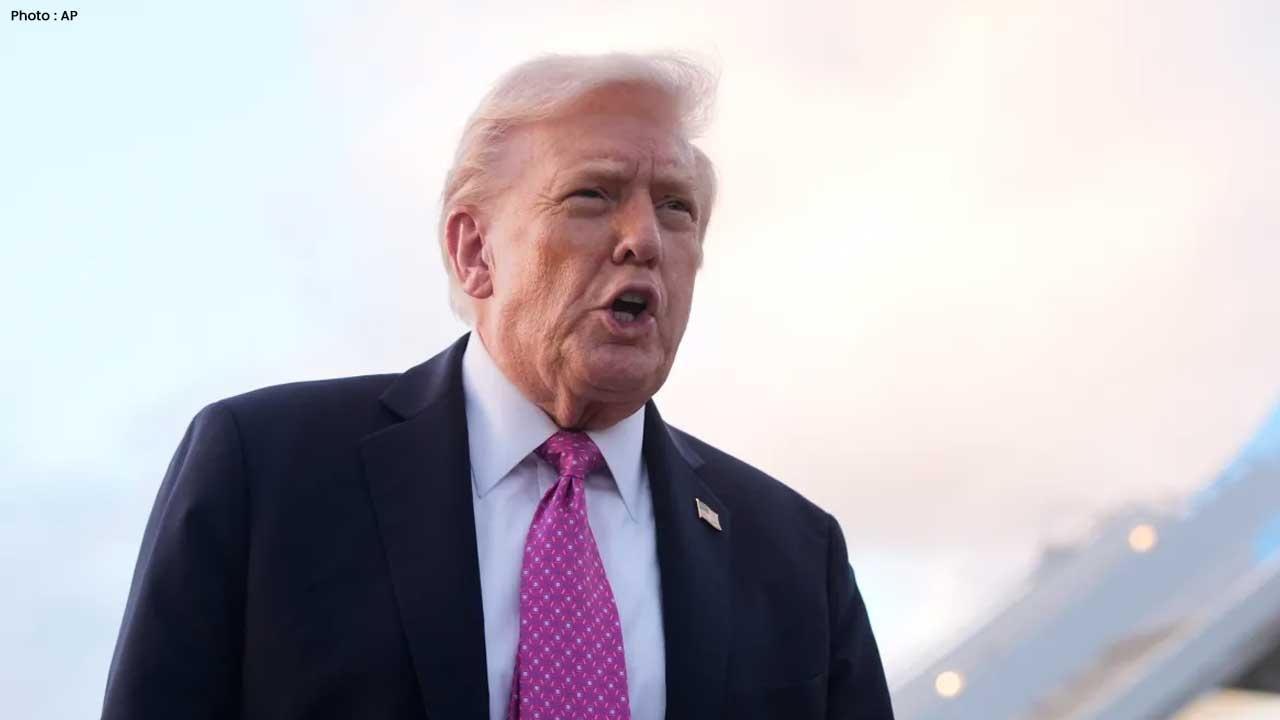
In a significant geopolitical shift, US President Donald Trump announced on Friday that India has ceased its oil purchases from Russia, marking a pivotal change in New Delhi's energy policy. During a luncheon with Ukrainian President Volodymyr Zelenskyy, Trump pointed out that India has effectively “de-escalated” its oil imports from Moscow, stating these purchases are now largely halted.
Previously, India sourced around 38 percent of its oil from Russia, but those imports are now being dramatically reduced. “They have pulled back significantly. They accounted for roughly 38 percent of their oil imports, and that will no longer continue,” Trump noted. This development significantly impacts India-Russia ties and the global energy landscape, given India's previous reliance on Russian crude in the wake of Western sanctions against Moscow.
Analysts indicate that India's decision to stop oil imports from Russia could have widespread ramifications. It affects global oil markets by redirecting Russian crude supplies and reveals India's complex balancing act between economic aims and geopolitical considerations. Trump's remarks also spotlight the US's ongoing scrutiny regarding energy transactions with Russia, particularly in light of the ongoing conflict in Ukraine.
The international community is closely watching India's oil policy as New Delhi strives for energy security while managing relations with major global powers. By halting its oil trade with Russia, India appears to align more closely with Western expectations, especially the US, without completely severing ties with Moscow. Trump's statement underscores Washington's keen observation of India's energy choices and its appreciation for India’s “de-escalation” in dealings with Russian oil.
This strategic move by India to freeze oil imports from Russia will also have domestic repercussions. Experts suggest that this decision may influence fuel prices, supply chain operations, and refinery activities in India. Nonetheless, New Delhi's energy strategists are reportedly exploring alternative sources to meet the ever-growing demand for crude oil, even as Russian imports wane.
President Trump’s recent statements affirm that India’s pivot away from Russian oil is not merely a temporary change but part of a broader recalibration of its energy and foreign policy priorities. India’s decision to halt oil imports from Russia underscores its growing role in global geopolitics, as nations increasingly navigate the trade-off between economic interests and international diplomatic pressures.


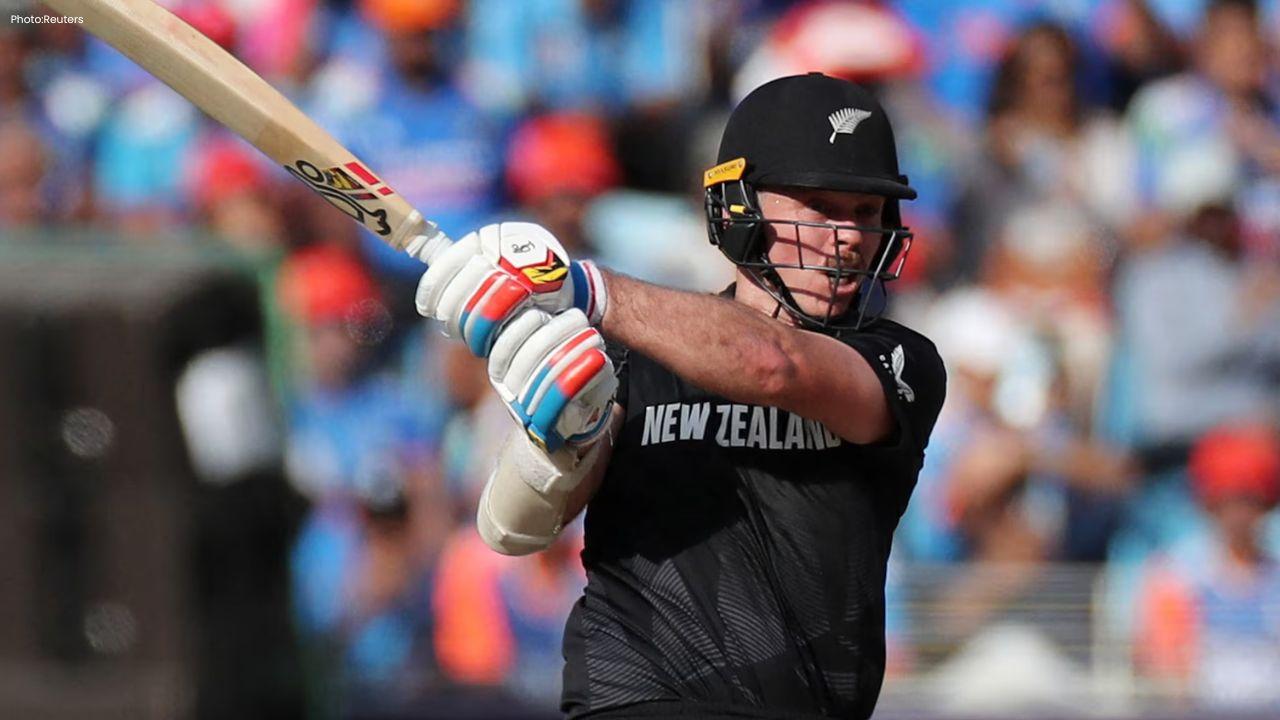



Michael Bracewell Chooses Casual Contract, Targets BBL Opportunity
Michael Bracewell moves to a casual contract as he eyes a BBL opportunity while remaining available

Tuchel Says Alex Scott Can Challenge Declan Rice for England Midfield Spot
Thomas Tuchel says Alex Scott can challenge Declan Rice for an England midfield place after his impr

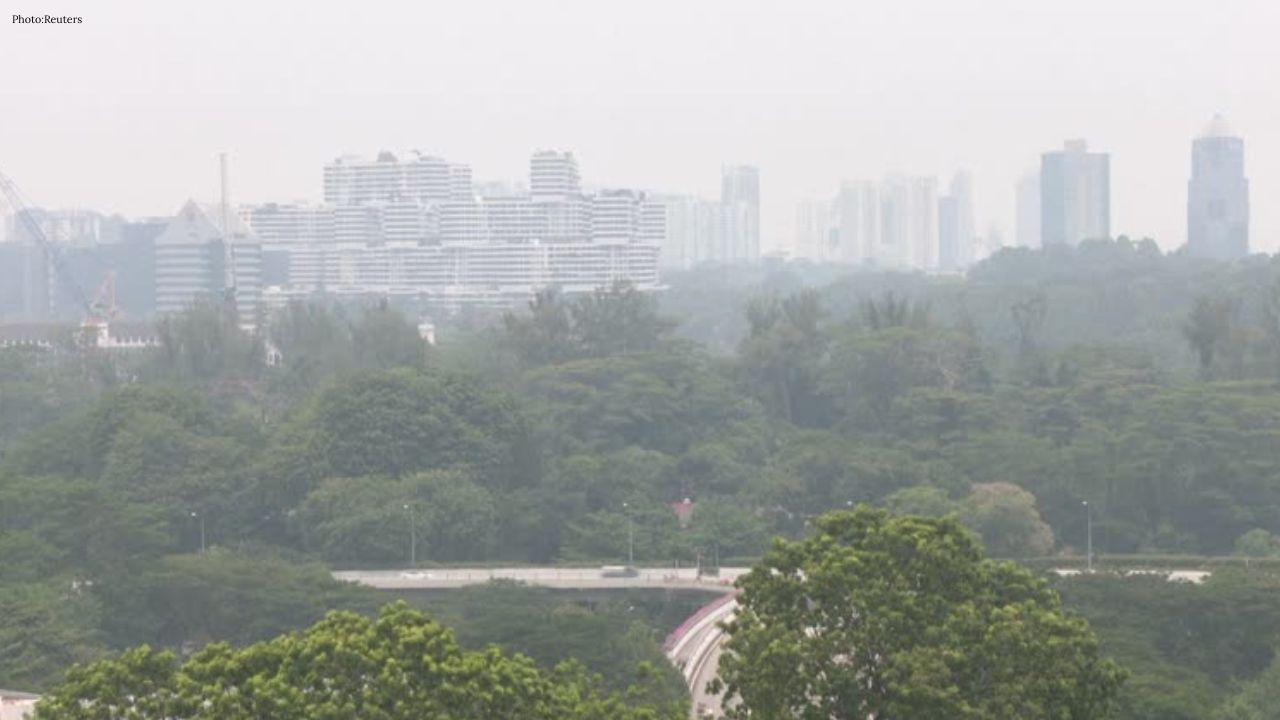
Air Quality Turns Unhealthy in Central and Western Singapore Amid Haze
Singapore haze pushes PSI above 100 in central and western areas as smoke from regional hotspots rai

PM Modi Pays Tribute to Mahatma Gandhi, Urges People to Support Khadi
PM Modi pays tribute to Mahatma Gandhi on Gandhi Jayanti and urges citizens to support Khadi and the

Amazon Seeks to Offload $8 Billion in Nvidia Chips to Investors
Amazon plans to move $8 billion in Nvidia chips to investors, using a new financing model to strengt

Samsung Raises Galaxy S26 Prices as Memory Chip Costs Rise
Samsung raises Galaxy S26 prices in South Korea as rising memory chip costs put pressure on smartpho

