
You have not yet added any article to your bookmarks!
Join 10k+ people to get notified about new posts, news and tips.
Do not worry we don't spam!

Post by : Anis Farhan
The third Twenty20 International (T20I) of the New Zealand cricket team’s 2026 tour of India was contested at the Barsapara Cricket Stadium in Guwahati on January 25, 2026. With India leading the five-match series 2-0, the match presented an opportunity for the hosts to secure an unassailable 3-0 lead. In a thrilling display of batting power and tactical excellence, the Indian side not only achieved this goal but did so in emphatic fashion, rewriting records and asserting its dominance in the shortest format of international cricket. India chased down a target of 154 runs inside a stunning 10 overs, achieving victory by eight wickets and wrapping up the series with two matches to spare.
This encounter, marked by blistering batting and effective bowling, showcased the depth and versatility of Indian cricket. Led by captain Suryakumar Yadav and powered by explosive performances from Abhishek Sharma, India demonstrated its intent and preparedness ahead of future T20 competitions. The comprehensive nature of the victory highlighted the superiority of the Indian team during this series, while New Zealand continued to show resilience though ultimately outmatched in this fixture.
The third T20I was staged at the Barsapara Cricket Stadium in Guwahati, Assam. The pitch at this venue traditionally offers good batting conditions, with some assistance for pace bowlers early on. On the day of the match, weather remained clear and conducive for cricket, ensuring an uninterrupted contest.
India won the toss and opted to bowl first. This decision reflected an aggressive strategy, typically aimed at restricting the opposition to a manageable total before launching a powerful chase. By bowling first, India’s leadership demonstrated confidence in its bowling attack’s ability to apply early pressure and its batting depth to chase any target effectively.
From the outset, India’s tactical planning was evident. With the series already tilted in India’s favour, the team sought to maintain momentum, balance resources, and gauge the form of key players under match conditions—particularly as the broader international calendar advances toward major global events like the T20 World Cup.
New Zealand, tasked with setting a competitive score, approached the first innings with measured aggression. At the crease, the Kiwi batting lineup aimed to build partnerships and apply scoreboard pressure early. Their total of 153/9 in 20 overs was the result of steady contributions from several batsmen.
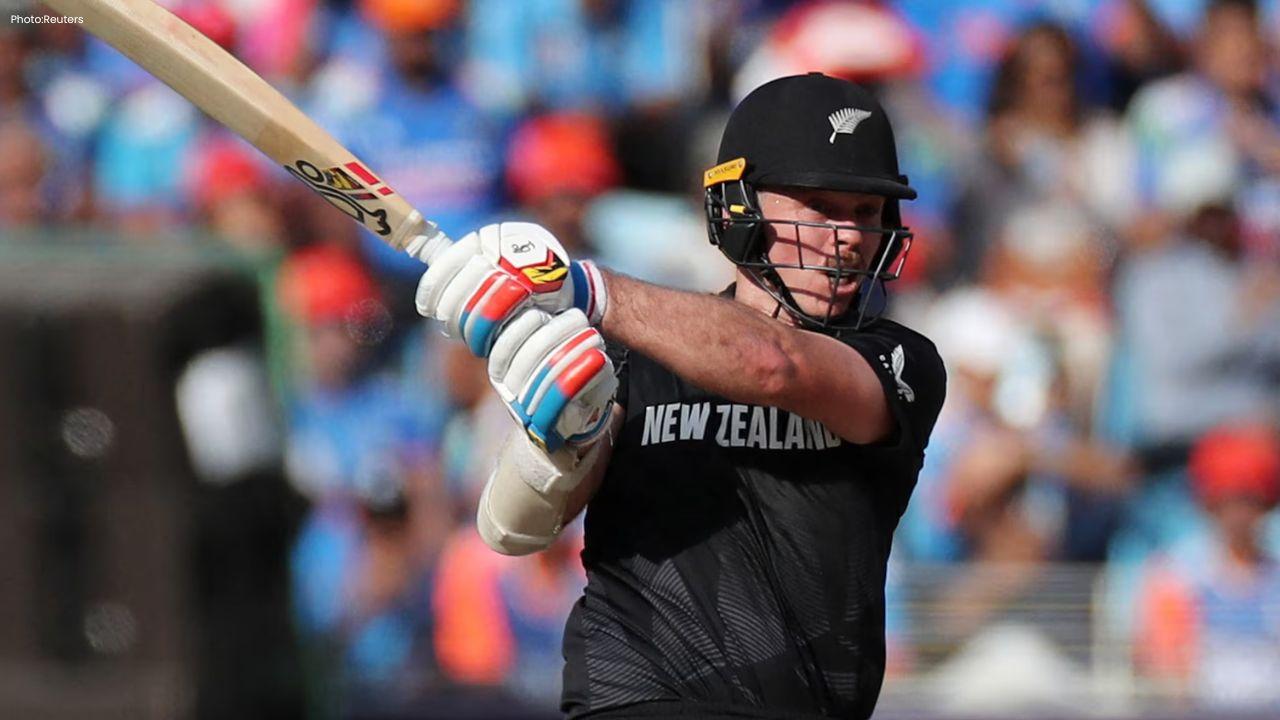
One of the standout performances for New Zealand came from Glenn Phillips, who scored a crucial 48 runs. His innings provided much-needed stability and helped the team to cross the 150-run mark—generally considered a competitive total in T20 cricket.
In the bowling department for India, Jasprit Bumrah delivered an exceptional performance, taking three wickets for 17 runs in his four overs. His disciplined line and length consistently troubled the New Zealand batters, restricting their scoring opportunities and ensuring India kept the total under significant pressure. Ravi Bishnoi also impressed, claiming two important wickets.
New Zealand’s innings, while competitive, lacked the stronger momentum needed to set a truly daunting target. The Indian bowlers executed their plans with precision, leveraging any early movement and maintaining tight field placements that prevented big partnerships from forming.
In pursuit of 154, India embarked on a chase that can only be described as destructive in terms of its ferocity and efficiency. The chase began with an explosive opening from the hosts. Abhishek Sharma and Ishan Kishan provided an immediate impetus, racing to 50 runs in just 3.1 overs—a blistering start that put the New Zealand bowling attack under immense pressure.
Abhishek Sharma’s batting was particularly memorable. He scored a breathtaking half-century off just 14 balls, joining the record books for one of the fastest fifties in T20 International history by an Indian batter. This rapid assault set the tone for the remainder of the innings, destabilising the Kiwi bowlers and allowing India to maintain an extraordinarily high run rate throughout.
Suryakumar Yadav, the Indian captain, played a composed yet aggressive innings. Scoring 57 runs off 26 balls, he complemented Abhishek’s onslaught with authoritative strokes all around the wicket. The two batters’ combined efforts ensured that India reached the target with ample overs to spare, completing the chase inside just 10 overs—the fastest successful chase of a 150-plus target by a full member nation in T20I cricket.
The manner of India’s chase was a testament to strategic execution and fearless batting. The opening partnership provided rapid momentum, and even after the fall of an early wicket, the middle order maintained tempo without losing significant ground. At one point, India reached 100 runs well before the halfway mark of the innings, underscoring the relentless pace of scoring.
Such an achievement places this match among the most dominant chases in T20I history. Completing a target of this size in a mere 60 balls is remarkable, highlighting both the batting depth of the Indian lineup and the increasing power dynamics present in contemporary T20 cricket. This performance will be analysed extensively by cricket strategists, commentators, and fans alike for its aggression, teamwork, and historical significance.
While the batting performance rightly captured headlines, India’s bowling and fielding contributions set the platform for the chase. Jasprit Bumrah’s early strikes and tight bowling contained New Zealand at critical junctures in their innings. His three-wicket haul not only broke key partnerships but also ensured that the total remained within a reachable yet challenging range.
Ravi Bishnoi’s two wickets also proved valuable, as his accurate spin bowling provided breakthroughs that prevented New Zealand from building any meaningful late-innings momentum. Hardik Pandya and Harshit Rana each chipped in with consistent efforts, further restricting the opposition’s scoring opportunities.
Fielding, too, was a collective highlight for India. Athletic ground coverage and sharp catching maintained pressure on the New Zealand batters, denying easy runs and converting key opportunities when they arose. These aspects of play—often understated in match narratives—contribute substantially to overall team performance and competitive success.
Despite the remarkable batting performances from Abhishek Sharma and Suryakumar Yadav, the Player of the Match award was presented to Jasprit Bumrah for his outstanding bowling figures of 3/17 in four overs. His crucial early strikes set the tone for India’s dominance and were instrumental in restricting New Zealand to a total that India could chase with authority.
The decision drew attention because Abhishek’s record-setting batting performance was equally impactful. However, Bumrah’s consistency and match control were decisive in shaping the contest before India’s chase began—a reminder of the multifaceted nature of cricket where contributions in both innings influence outcomes.
India’s 8-wicket victory in the third T20I sealed the series with a clean 3-0 lead. With two matches still to play, this commanding position reinforces the Indian team’s dominance and sends a message about its strength in the T20 format.
From a broader perspective, such performances are crucial in building momentum ahead of global competitions, including the upcoming ICC T20 World Cup and other major tournaments. Strategic learnings from this series—particularly around batting aggression, bowling adaptability, and fielding discipline—will be invaluable for coaches, support staff, and players alike.
New Zealand, despite showing resolve and competitive spirit, will likely reassess aspects of its lineup and tactical approaches as the tour progresses. The contrasting fortunes in this series bring to focus the nuances of adaptation to Indian conditions and game scenarios that demand flexibility and composure under pressure.
India’s 10-over chase of a 150-plus score stands out statistically. It represents one of the most emphatic run-chase victories in T20 International history by a full member nation, eclipsing many previous benchmarks. The combined impact of Abhishek Sharma and Suryakumar Yadav’s batting highlights India’s depth—a critical advantage in modern T20 competition.
Additionally, reaching 50 runs inside 3.1 overs places this innings among the fastest opening powerplay scores achieved by the Indian team in T20Is, further underlining the historical significance of this performance.
The response from cricket fans and media commentators reflected widespread admiration for India’s dominant victory. Analysts highlighted the aggressive batting strategy, effective bowling plan, and sharp fielding execution as key elements that contributed to the resounding result. Former players and pundits praised Abhishek’s record-breaking half-century and Suryakumar’s captaincy under pressure, noting their importance in shaping India’s aggressive chase.
Social media commentary added to the narrative, with fans celebrating India’s historic achievement and sharing highlights of the match’s most explosive moments. Such engagement underscores the growing popularity of T20 cricket and the excitement that dominant performances generate among supporters.
Disclaimer: This article is based on verified scorecards, commentary, and news reports from multiple cricket news outlets and official match summaries. Figures and match details are accurate as of the time of publication.







Michael Bracewell Chooses Casual Contract, Targets BBL Opportunity
Michael Bracewell moves to a casual contract as he eyes a BBL opportunity while remaining available

Tuchel Says Alex Scott Can Challenge Declan Rice for England Midfield Spot
Thomas Tuchel says Alex Scott can challenge Declan Rice for an England midfield place after his impr

Air Quality Turns Unhealthy in Central and Western Singapore Amid Haze
Singapore haze pushes PSI above 100 in central and western areas as smoke from regional hotspots rai

PM Modi Pays Tribute to Mahatma Gandhi, Urges People to Support Khadi
PM Modi pays tribute to Mahatma Gandhi on Gandhi Jayanti and urges citizens to support Khadi and the

Amazon Seeks to Offload $8 Billion in Nvidia Chips to Investors
Amazon plans to move $8 billion in Nvidia chips to investors, using a new financing model to strengt

Samsung Raises Galaxy S26 Prices as Memory Chip Costs Rise
Samsung raises Galaxy S26 prices in South Korea as rising memory chip costs put pressure on smartpho

