
You have not yet added any article to your bookmarks!
Join 10k+ people to get notified about new posts, news and tips.
Do not worry we don't spam!
Post by : Mikael Ariff
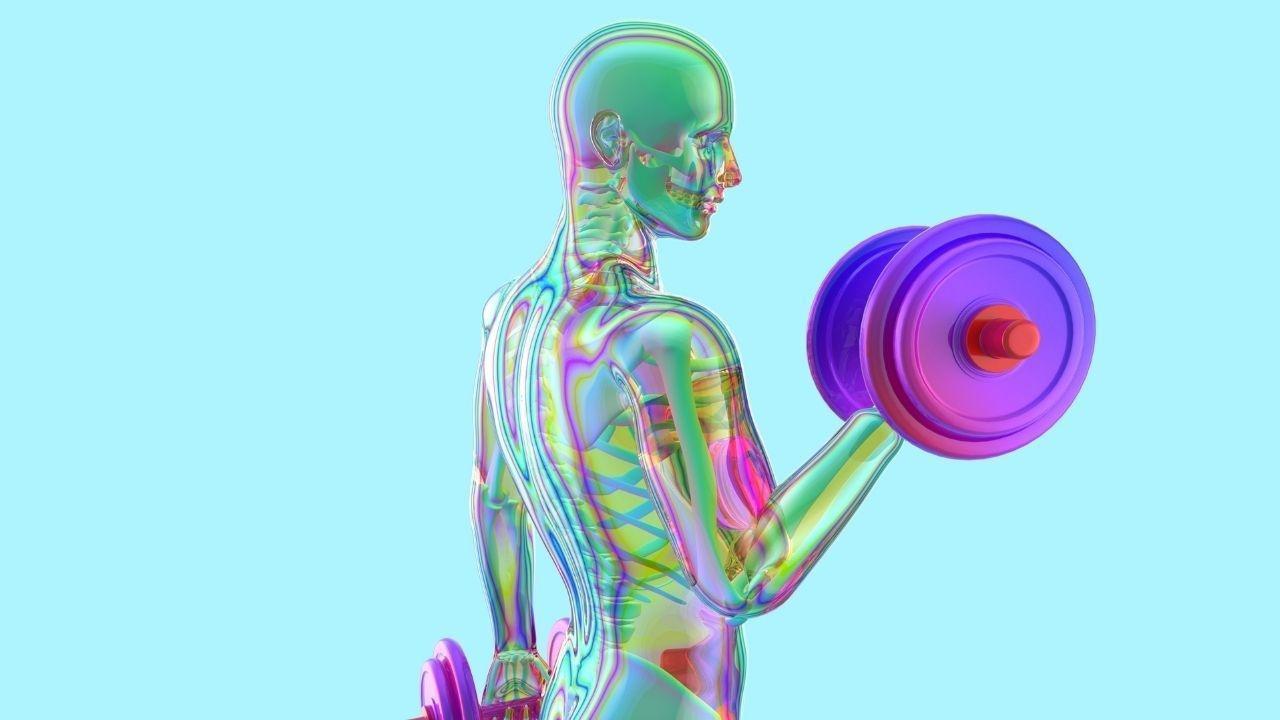
In the past, maintaining fitness meant adhering to generic workout videos and strict diet guidelines. Now, with the advent of Artificial Intelligence (AI), the fitness landscape has transformed into one that's more personalized and effective.
Thanks to AI, we have access to everything from smartwatches that monitor your heart rate to apps that design workouts tailored to individual needs. It’s like having an entire team of fitness guides at your fingertips.
So, how is AI optimizing health, nutrition, and well-being for individuals today? Here are four transformative ways Artificial Intelligence is influencing fitness.
A significant flaw of traditional workout programs is their one-size-fits-all nature. This is where AI integration shines.
Fitness applications powered by AI gather your personal data—age, weight, heart rate, and sleep patterns—to craft a regimen tailored specifically to you. These apps adapt continuously, modifying your routine based on your progress.
If you haven’t rested well, your AI trainer might suggest a lighter workout; conversely, if you're excelling, expect a more demanding session.
Examples:
Apps like Fitbod, Freeletics, and Nike Training Club leverage AI to curate customized workouts, adjusting each subsequent plan based on your performance—just as a human trainer would.
In essence:
AI equips you to work out more intelligently, saving time and preventing fatigue.
We've all heard the phrase, “you are what you eat,” yet determining the right foods can be challenging. This is where AI-driven nutrition apps become invaluable.
These platforms analyze your dietary choices, tracking nutritional intake and identifying needs. Some can even recognize meals from images, providing immediate calorie, carb, and protein counts.
Examples:
Well-known applications such as MyFitnessPal, Yazio, and Lifesum utilize AI to inform dietary decisions. If you've consumed more carbs than usual, the app will suggest lighter options for your next meal, or if you’re short on protein, it’ll recommend suitable foods to balance your intake.
AI also identifies eating patterns—whether you tend to skip breakfast or indulge in heavy dinners—and sends gentle reminders to promote healthier habits.
Result:
Instead of rigid dieting, you’ll cultivate healthier eating choices that you can maintain.
Your smartwatch is no longer just a pedometer; it’s a sophisticated health tracker fueled by AI.
AI-powered devices continuously monitor health metrics, such as heart rate, oxygen levels, sleep quality, and stress levels. They analyze this data to identify irregularities well before you notice them.
If your heart rate is continuously elevated or your sleep quality drops, these devices will alert you, and some may even recommend a break or the need for a medical consultation.
Examples:
Devices like the Apple Watch, Fitbit Sense, and Samsung Galaxy Watch come embedded with advanced AI to identify early warning signs of health issues.
Why this is significant:
AI not only helps in remediation but also emphasizes preventive health, acting as an alert mechanism for potential health risks.
Fitness is as much a mental endeavor as it is a physical one. Thanks to AI, maintaining a positive mindset and drive has never been easier.
Many apps employ gamification, turning fitness tasks into enjoyable competitions or challenges to keep your spirits up. Users rack up rewards for achieving targets or completing workouts, while others feature AI chatbots that provide support during stressful moments or help maintain concentration.
Examples:
Platforms like Calm, Headspace, and BetterMe harness AI to tailor meditation or relaxation practices, adjusting recommendations based on your mood and stress levels.
The essence:
AI strengthens not just your body but also aids mental equilibrium.
The integration of AI in fitness signifies an evolution rather than a fleeting trend. What’s remarkable is how AI grows alongside you, continuously refining its understanding of your habits and requirements.
Potential advancements could see your smartwatch reminding you to hydrate before thirst sets in or your fitness application adjusting workouts based on energy levels and stress. That’s not mere speculation; it’s becoming reality.
AI has the potential to unify all aspects of wellness—fitness, nutrition, sleep, and psychological well-being—into a cohesive entity. Soon, your device won't merely track but understand your habits, guiding you toward a healthier, more balanced existence.
While AI excels at tracking, guiding, and predicting, it lacks human empathy and emotional support—elements that a human trainer or healthcare provider can provide.
This underlines the importance of a syncretic approach that combines AI technology and human input. Let AI manage your data while real professionals focus on your emotional and personal health.
The role of AI is not to replace human interaction; rather, it’s a tool designed to streamline our lives, enhance our well-being, and cultivate smarter habits. From custom workout plans to early health alerts, AI has evolved into an indispensable fitness ally.
Think of it as having a round-the-clock coach, nutritionist, and cheerleader—working together to optimize your wellness.
One crucial point to bear in mind: technology can only succeed if you make it work. AI equips you with insights and tools, but your commitment and determination are essential for meaningful progress.
The trend in fitness will shift from quantity to quality—focusing on what’s truly right for you with the help of innovative, supportive technologies.
This article is for informational and educational purposes only. It offers insights on how Artificial Intelligence (AI) is reshaping the fitness and wellness sector but is not a substitute for professional medical, nutritional, or fitness advice. Each person's body, health status, and fitness objectives vary, and solutions that suit one might not fit another.
Prior to initiating any new workout regimen, diet strategy, or health plan—particularly if you have existing health conditions, injuries, or specific health concerns—it’s advisable to consult a qualified healthcare professional, nutritionist, or fitness expert. The data presented here is not intended for diagnosing, treating, or preventing illness. Results from AI-enabled fitness tools and applications may fluctuate based on individual lifestyles, dedication, and health factors.
Readers are encouraged to utilize this information responsibly, in conjunction with professional advice, to ensure a safe and effective health and fitness journey.









Spain's Diego Poncelet Sets Skateboarding World Speed Record
Spain's Diego Poncelet reaches 151.83 km/h in a record-breaking downhill skateboard run in Canada, s

Hyundai Recalls 94,622 US Vehicles Over Potential Fire Risk
Hyundai recalls 94,622 US vehicles over overheating seat motors. Check affected Genesis models, fire

Nvidia Pledges $250 Million for UK AI Safety Research
Nvidia will provide $250 million in computing resources over five years to support AI safety researc

Jacob Bethell Returns as England Name Squads for Australia Tour
England name ODI and T20 squads for the Australia tour, with Jacob Bethell returning from injury and

Beauden Barrett Opens Up About Mental Struggles During All Blacks Exile
Beauden Barrett discusses his confidence struggles after missing six tests, his return against Austr

IMF Says AI Investment Supports Global Growth Despite Energy Shock
IMF says AI investment is supporting global growth near 3%, with Asian economies benefiting from ris

