You have not yet added any article to your bookmarks!
Join 10k+ people to get notified about new posts, news and tips.
Do not worry we don't spam!
Post by : Anis Farhan
Once merely a device for calls and texts, smartphone screens have transformed dramatically. From basic displays to HD, Full HD, and AMOLED, the quest for clarity and quality has reached new heights as phones encroach on the domain of high-end televisions.
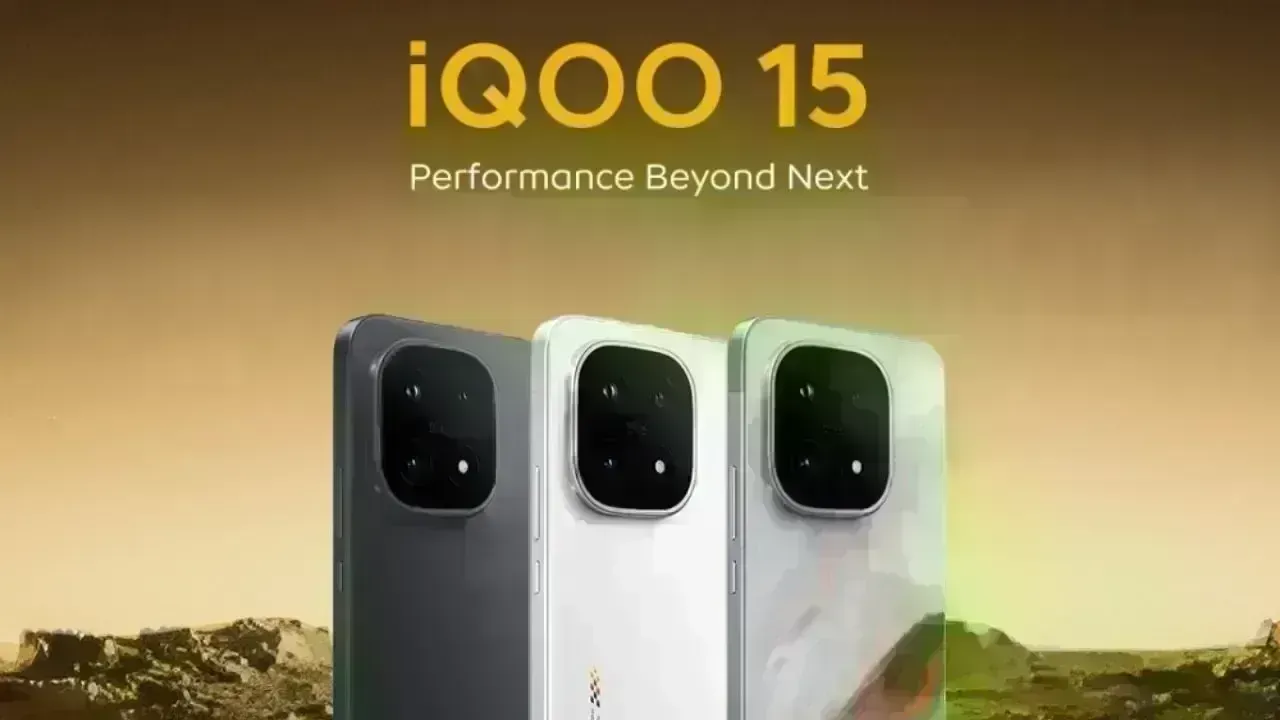
With the introduction of the iQOO 15 featuring a 144Hz refresh rate paired with a 2K display, it certainly claims a spot among high-end devices. The specs sound impressive, promising smooth scrolling and vibrant visuals that elevate your phone usage to exceptional levels.
Yet, one must ponder: Are these features genuinely enhancing daily experiences, or are they simply a tactic in the technological arms race?
Let's dive into the details.
A 2K display certainly provides more pixels than a Full HD screen, yielding finer details and clearer images. However, the catch is that human eyes can only detect a certain degree of sharpness on smaller displays.
The difference between Full HD and 2K is more evident on larger screens, where one can appreciate the clarity better than on a phone viewed from a distance.
You might really notice the advantages of a 2K display when:
Examining small text closely.
Zooming into images.
Streaming high-definition videos.
Editing graphics.
Using the phone as an additional monitor for productivity.
Interpreting detailed maps.
However, when messaging, browsing social media, or watching videos, Full HD looks fantastic on a 6.5-inch screen.
In essence, 2K represents luxury, not necessity.
Refresh rate indicates how many times the screen can refresh its image per second:
60Hz = refreshes 60 times each second.
90Hz = smoother animations.
120Hz = extremely smooth experience.
144Hz = gaming-level fluidity.
Increased refresh rates result in smoother movement, more fluid animations, and faster responses to touch.
Absolutely—but much of this benefit is found in how smooth the screen reacts when scrolling or shifting between applications.
Once accustomed to above 90Hz, lower refresh rates feel sluggish. The difference between 120Hz and 144Hz is marginal for many users but distinct for gamers.
Scrolls might feel seamless, but you may quickly adapt to it.
Both high pixel counts and refresh rates draw more power, making the display a leading consumer of battery resources.
Why is this?
More pixels call for additional processing power.
Fast refresh means frequent updates.
Higher brightness uses more energy.
Even with savvy refresh rate management, a 144Hz 2K screen consumes battery more rapidly than a standard Full HD 60Hz counterpart.
If you:
Watch streaming content.
Engage in mobile gaming.
Scroll for extended durations.
Use high brightness levels.
Navigate frequently.
Then optimizing battery life becomes your primary focus.
While advanced display technology is captivating, it can also be quite power-hungry.
Currently, much mobile content is delivered as:
Mostly 1080p resolutions.
Video streams capped at 60Hz.
Heavily compressed for efficient data usage.
Even if a device supports 2K and 144Hz, numerous platforms only offer:
1080p resolutions.
Locked playback at 60 frames per second.
Compression prioritized over visual clarity.
It’s similar to owning a high-performance vehicle yet being restricted to stop-and-go traffic.
The true advantage of premium displays is often less about resolution and more about:
Remarkable brightness control.
Contrast levels that enhance detail.
Quality HDR capabilities.
Accurate color calibration.
Improved outdoor visibility.
High-end screens typically deliver:
Blacker blacks.
Brighter highlights.
True-to-life colors.
Visibility in bright sunlight.
Authentic HDR performance.
Even when resolution surpasses human sight limits, display quality shines through, particularly when:
Watching videos.
Reviewing photos.
Conducting edits.
Reading in bright environments.
Navigating outdoors.
Here, top-notch screens provide tangible benefits.
For compatible games:
144Hz reduces blur during motion.
Boosts accuracy in aiming.
Augments reaction times.
Clarifies fast movements.
Gamer enthusiasts notice the improvements without fail. Response times enhance, frame rates stabilize, and movements feel more fluid.
If gaming is part of your daily routine, this display offers benefits beyond mere specs.
Higher refresh rates:
Diminish micro-stuttering.
Smoother scrolling experiences.
Help reduce flicker perception.
These features can lead to:
Easier long reading sessions.
Less fatigue while browsing.
Less stressful visual experiences.
However, factors like blue light exposure and overall screen time play a more pivotal role than refresh rates alone.
A breathtaking screen cannot compensate for poor habits.
High-end screens increase:
Manufacturing complexity.
Component pricing.
Repair costs.
Power management intricacy.
Testing standards.
Purchasing a flagship display means investing in:
Cutting-edge materials.
Precise manufacturing processes.
Advanced calibration techniques.
Robust glass protection.
Higher replacement costs.
Damage has bigger consequences.
Repair becomes more costly.
Insurance values may increase.
Devices sporting advanced screens tend to:
Maintain relevance longer.
Retain visual appeal over time.
Look premium for many years.
But don't forget:
Battery life diminishes with usage.
Software updates become infrequent.
Camera technology evolves.
Charging standards progress.
Your display might appear fresh long after other aspects seem outdated.
Consider it if you:
Engage in competitive gaming.
Value design and aesthetics.
Consume rich multimedia.
Watch films on your device.
Desire long-lasting satisfaction with your purchase.
Keep devices for extended periods.
Appreciate tactile responsiveness.
You might not 'need' it, but the appreciation will certainly grow.
Consider skipping the upgrade if you:
Primarily use messaging platforms.
Stream videos casually.
Rarely indulge in gaming.
Prioritize battery life over screen features.
Change phones frequently.
Prefer lasting functionality over flashy upgrades.
Seek better camera or storage options instead.
In such scenarios, any upgrade reflects sentiment rather than function.
Brands often leverage numbers as selling points because they are attention-grabbing.
144Hz seems stronger than 120Hz.
2K eclipses HD.
However, user experience doesn't necessarily scale with these specifications.
After a certain point, improvements yield diminishing returns.
Premium displays:
Create a sense of specialness.
Enhance overall satisfaction.
Alleviate the urge to upgrade.
Improve visual memorability.
Provide emotional satisfaction.
These effects may matter more than people readily acknowledge.
Technology isn't purely functional.
It's about experience.
No, you don’t strictly need it.
But that doesn’t mean you won’t enjoy the experience it offers.
If functionality drives your choices, then Full HD at 120Hz is sufficient.
If experience is what you seek, this display excels.
If gaming influences your decision, 144Hz is a rational choice.
If battery life is a priority, it’s crucial to acknowledge the trade-offs.
Ultimately, you are not only investing in a necessity; you are purchasing excellence.
And that is entirely acceptable—as long as you remain informed.
This article serves informational purposes and does not offer specific buying guidance. Specifications, performance, and display experiences may vary by location, usage, and updates. Buyers should compare several devices and reviews before making any decisions.









Jacob Bethell Returns as England Name Squads for Australia Tour
England name ODI and T20 squads for the Australia tour, with Jacob Bethell returning from injury and

Beauden Barrett Opens Up About Mental Struggles During All Blacks Exile
Beauden Barrett discusses his confidence struggles after missing six tests, his return against Austr

IMF Says AI Investment Supports Global Growth Despite Energy Shock
IMF says AI investment is supporting global growth near 3%, with Asian economies benefiting from ris

Will O'Rourke Ruled Out of New Zealand's India Series
New Zealand fast bowler Will O'Rourke will miss the India series with hamstring and calf injuries as

AI Companies Expected to Drive Most US Earnings Growth in Q3
AI companies are expected to drive US third-quarter earnings growth as investors assess tech profits

Money Market Funds See Record Inflows as Global Bond Selloff Intensifies
Global money market funds attract $153.81 billion as bond yields rise, inflation fears persist and i