You have not yet added any article to your bookmarks!
Join 10k+ people to get notified about new posts, news and tips.
Do not worry we don't spam!
Post by : Rohit Dhiman
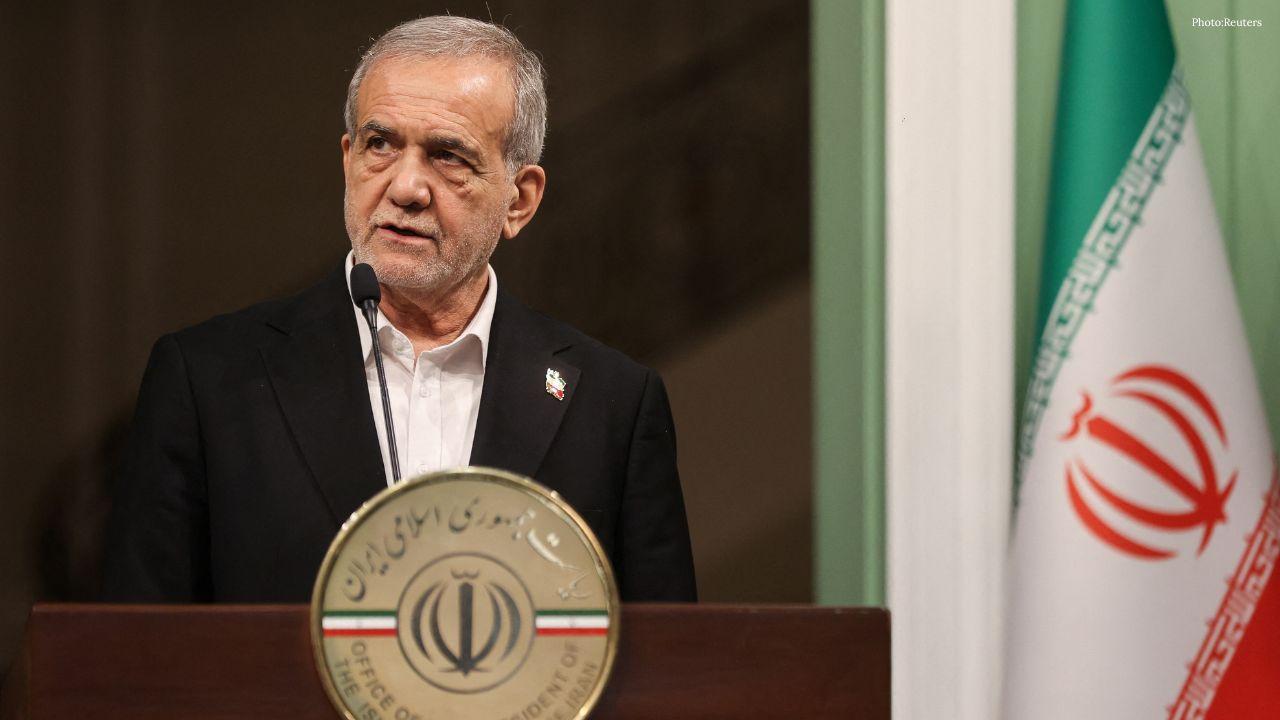
The conflict between Iran and the United States has entered another dangerous phase after Iranian forces launched fresh attacks against American military positions in the Gulf region. Kuwait was among the main locations affected by the latest escalation, with authorities reporting missile and drone activity. Iranian forces also targeted locations associated with American troops in Jordan, the United Arab Emirates, Bahrain and Iraq’s Kurdistan region. The latest Iran attacks US targets come after Washington recently carried out another series of military operations against Iranian positions. The new exchange of attacks has increased concerns that the conflict could spread to additional countries and create greater risks for civilians, military personnel and commercial shipping.
Iran has presented the latest military action as a response to American strikes against its territory and military infrastructure. The confrontation has developed into a broader regional crisis because the United States maintains military personnel and facilities in several Middle Eastern countries. Kuwaiti forces have been involved in efforts to intercept incoming threats, while governments across the Gulf have increased security around important military and civilian locations. The continuing Iran US war is therefore creating risks well beyond the borders of Iran and the United States.
US President Donald Trump has continued to take a firm position against Tehran and has indicated that American forces could conduct additional operations if the situation requires it. The warning followed a major US military campaign against Iranian targets that Iranian authorities said caused deaths and injuries. Washington is also using economic measures to increase pressure on Tehran. Further sanctions against businesses and countries maintaining economic ties with Iran are being considered as part of the broader US strategy. Iran, however, has shown no indication that it intends to stop responding to American military operations.
Kuwait has become an important location in the latest escalation because of its strategic position and the presence of US military bases. The reported missile and drone activity led Kuwaiti authorities to activate defensive measures. The situation has also attracted attention from neighbouring Gulf states, particularly those hosting American military personnel or supporting US operations in the region. A wider conflict could place additional pressure on governments throughout the Gulf and increase risks to people living close to military installations.
The Strait of Hormuz continues to be at the centre of international concern. The narrow maritime route is extremely important for global energy transportation. Any prolonged disruption could affect oil shipments, shipping schedules and energy prices around the world. The confrontation has already created uncertainty for companies operating commercial vessels in the region. If the security situation deteriorates further, shipping operators could face higher insurance costs, longer routes and additional security requirements.
Iran’s response has extended beyond a single location. Reports of attacks connected to American forces in Kuwait, Jordan, the UAE, Bahrain and Iraq demonstrate the geographic scale of the latest confrontation. Iranian officials have indicated that Tehran is changing its approach to the war and is prepared to put greater pressure on American forces throughout the region. This could make future military planning more difficult for Washington and its regional partners.
The conflict is also creating serious concerns for international shipping. Two oil tankers were reportedly damaged in separate incidents, although responsibility for those incidents had not immediately been established. One of the incidents reportedly resulted in the deaths of two Filipino sailors. Any continued attacks on commercial vessels could have consequences for global trade, particularly if shipping companies begin avoiding important routes in the Gulf. The situation could also contribute to higher transportation and energy costs.
A separate US military strike in southern Iran has further increased anger inside the country. Iranian authorities reported that a strike near the coastal town of Kuhestak caused deaths and injuries while a wedding gathering was taking place nearby. Iranian officials strongly criticised Washington over the incident. The United States has maintained that its military operations are not intended to deliberately target civilians. The competing claims have added another layer of tension to an already rapidly escalating conflict.
Read Also: US Missile Strike Allegedly Claims Four Lives at Wedding in Iran
People in affected areas are facing growing uncertainty because of missile warnings, military activity and the possibility of additional attacks. Residents living near military facilities face particular concerns as these locations could become targets during future retaliatory operations. Commercial activity and transportation could also be affected if the conflict continues. The humanitarian impact is becoming increasingly important as military operations spread across the region.
Israel is closely monitoring the latest developments between Washington and Tehran. Israeli officials have warned that their country could respond strongly if Iran launches an attack against Israeli territory. The possibility of another front opening in the conflict remains a major concern for regional security planners. Although the latest Iranian operations have primarily focused on American positions, any direct confrontation involving Israel could significantly widen the crisis.
The latest developments indicate that the confrontation is far from over. Trump Iran tensions remain high as Washington considers further military and economic pressure while Tehran continues retaliatory operations. The continuing conflict around American military positions and the Strait of Hormuz could have consequences for regional security and the global economy. For now, the possibility of additional strikes remains high, while diplomatic efforts appear increasingly important to prevent the conflict from developing into an even larger regional war.








2026 F1 Singapore Grand Prix: Major Road Closures Announced
Major roads will close for the F1 Singapore Grand Prix 2026 from Oct 7 to Oct 13, with public transp

Smriti Mandhana Becomes Women's Cricket's Leading Run-Scorer
Smriti Mandhana becomes the leading women's cricket run-scorer after a record century against Hong K

France Begins Road Tests of Tesla Self-Driving Technology
France begins testing Tesla FSD on public roads as Europe considers wider approval of the technology

CapitaLand Investment Lays Off About 90 Employees in Singapore
CapitaLand Investment has cut about 90 jobs in Singapore during a restructuring exercise, affecting

Japan to Make Driving Tests Harder for Some Older Motorists
Japan will tighten driving tests for some elderly motorists as authorities address rising accidents

Alcaraz Raises Concerns, Says Busy Schedule Is Increasing Injury Risk
Carlos Alcaraz plans longer breaks as the packed tennis calendar raises concerns over player fatigue