You have not yet added any article to your bookmarks!
Join 10k+ people to get notified about new posts, news and tips.
Do not worry we don't spam!
Post by : Saif Rahman
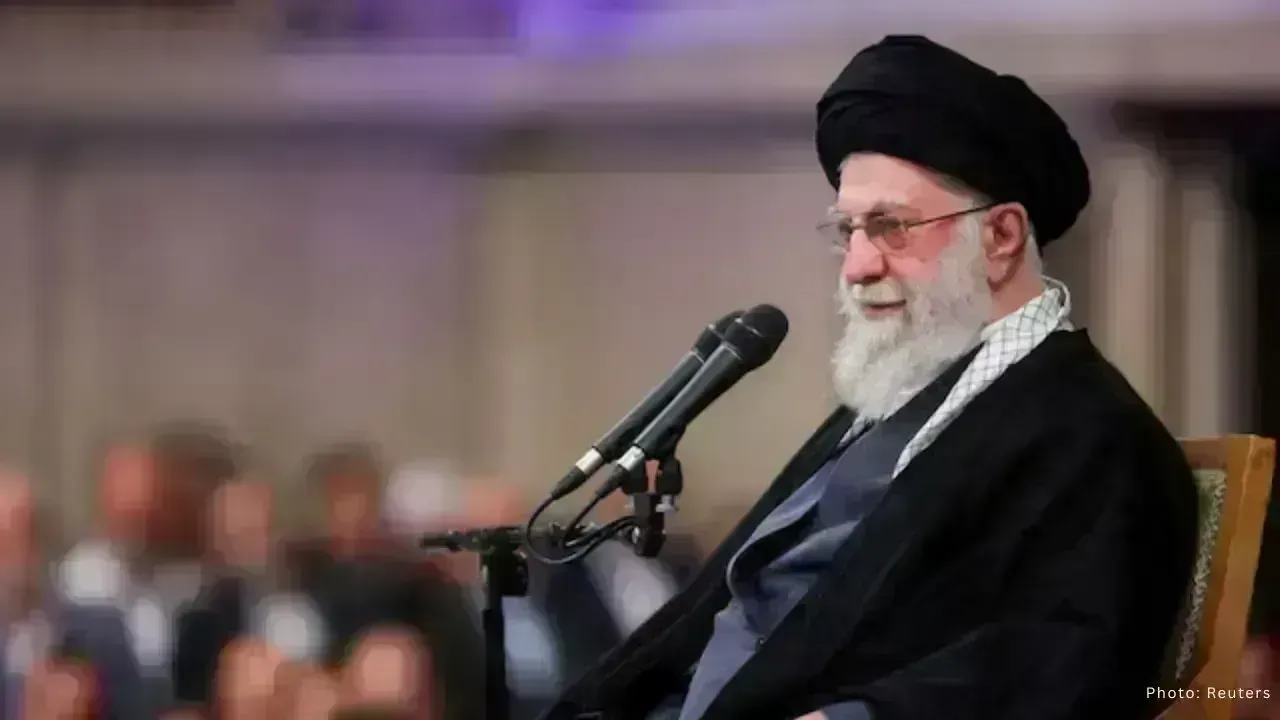
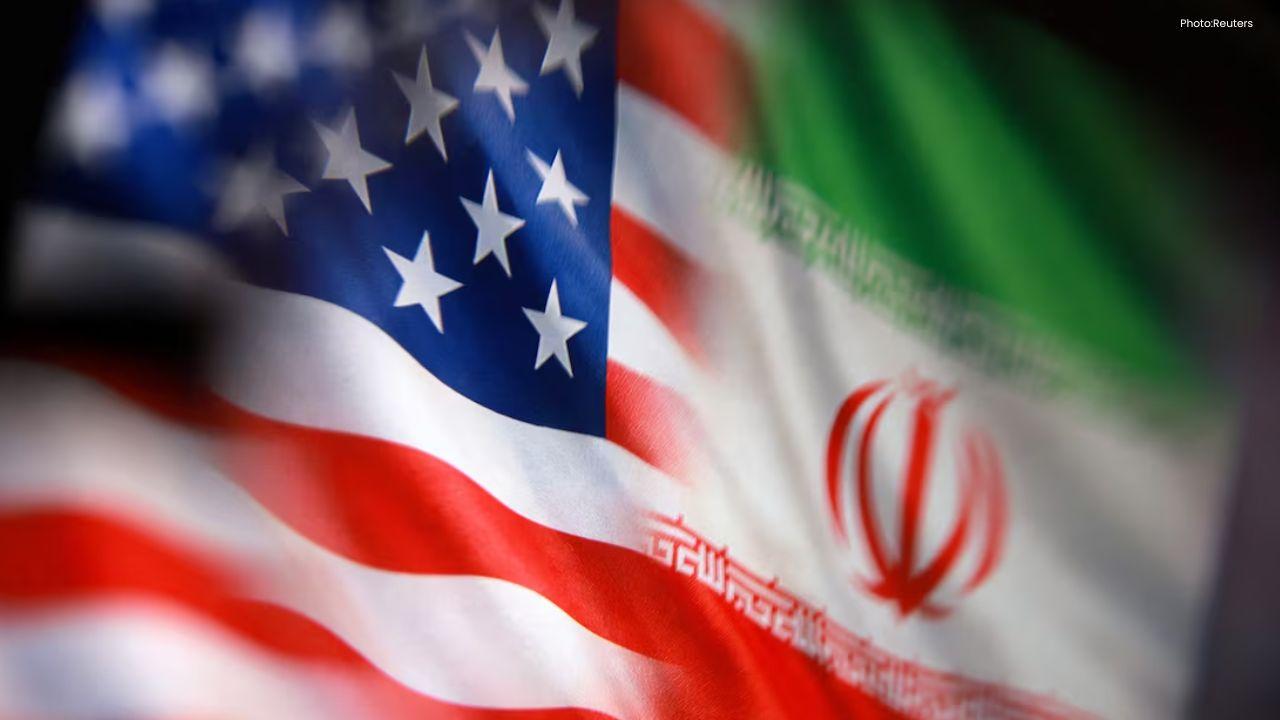
Iran finds itself at a pivotal juncture as Supreme Leader Ayatollah Ali Khamenei readies to speak to the nation against the backdrop of widespread protests related to economic difficulties. State media revealed that his upcoming address will tackle what the authorities have termed “terrorist actions,” as demonstrations over rising living costs spread nationally.
Originating in Tehran, the protests erupted when shopkeepers in the historic Grand Bazaar responded fiercely to the drastic decline in Iran's national currency, the rial. With escalating prices and stagnant incomes, the discontent has quickly grown beyond traders, attracting young men from various cities. This marks a notable shift from previous unrest in 2022 and 2023 which was largely led by women and girls.
Internet monitoring organizations have reported a nationwide internet blackout commencing Thursday and persisting into Friday. This interruption coincides with renewed calls for protests led by Reza Pahlavi, son of Iran's last monarch, who has resided in exile since the 1979 Islamic Revolution. The limited internet connectivity has further fueled public frustration and confusion.
Human rights advocates outside Iran indicate that the protests have turned deadly, with reports of at least 34 fatalities among demonstrators and four members of the security forces, alongside approximately 2,200 arrests. Analysts interpret these figures as reflecting profound discontent among citizens who deem their grievances unaddressed and economic hardships unresolved.
The Iranian government appears to be employing a dual strategy. Officials acknowledge that economic-related protests are justifiable, suggesting a willingness for dialogue. Meanwhile, on the ground, security forces have resorted to using tear gas and other crowd control methods, especially when confrontations escalate. This mixed approach raises concerns about whether genuine solutions will follow the assurances provided.
Nearly five decades post-Islamic Revolution, Iran's leadership grapples with increasing dissonance between state policies and the aspirations of a youthful population. Many protesters express discontent not only over inflation and job scarcity but also over Iran's involvement in external conflicts. Chants like “Not Gaza, not Lebanon, my life for Iran” reflect a strong desire for the government to prioritize domestic issues.
As Khamenei gears up for his address, many Iranians will be listening intently. His remarks could influence the government’s approach to the ongoing unrest, with the potential to either soothe tensions or exacerbate divisions in Iran’s political and social landscape.



China’s Tiangong Sets New 400m Record at Robot Olympics
China’s Tiangong robot sets a new 400m record at the Robot Olympics, beating a South African robot i

George Russell Wins Dutch GP Sprint, Boosts Mercedes Morale
George Russell wins the Dutch GP Sprint from pole as Mercedes teammate Kimi Antonelli extends his F1

Australia 50/3 After Bangladesh Bowled Out for 64 in Second Test
Australia reached 50/3 after Bangladesh were bowled out for 64 in the second Test, with Mitchell Sta
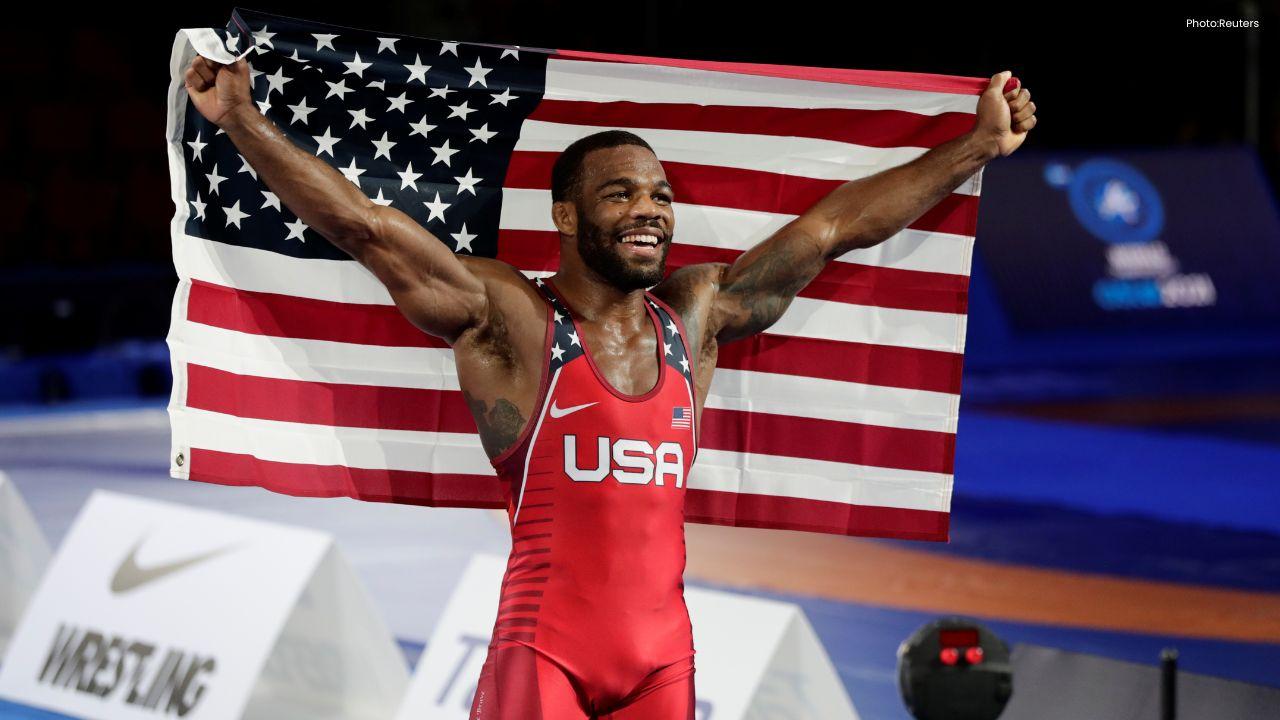
Jordan Burroughs Returns to Wrestling with 2028 Olympic Dream
Jordan Burroughs returns to wrestling with Real American Freestyle as the Olympic champion eyes a po
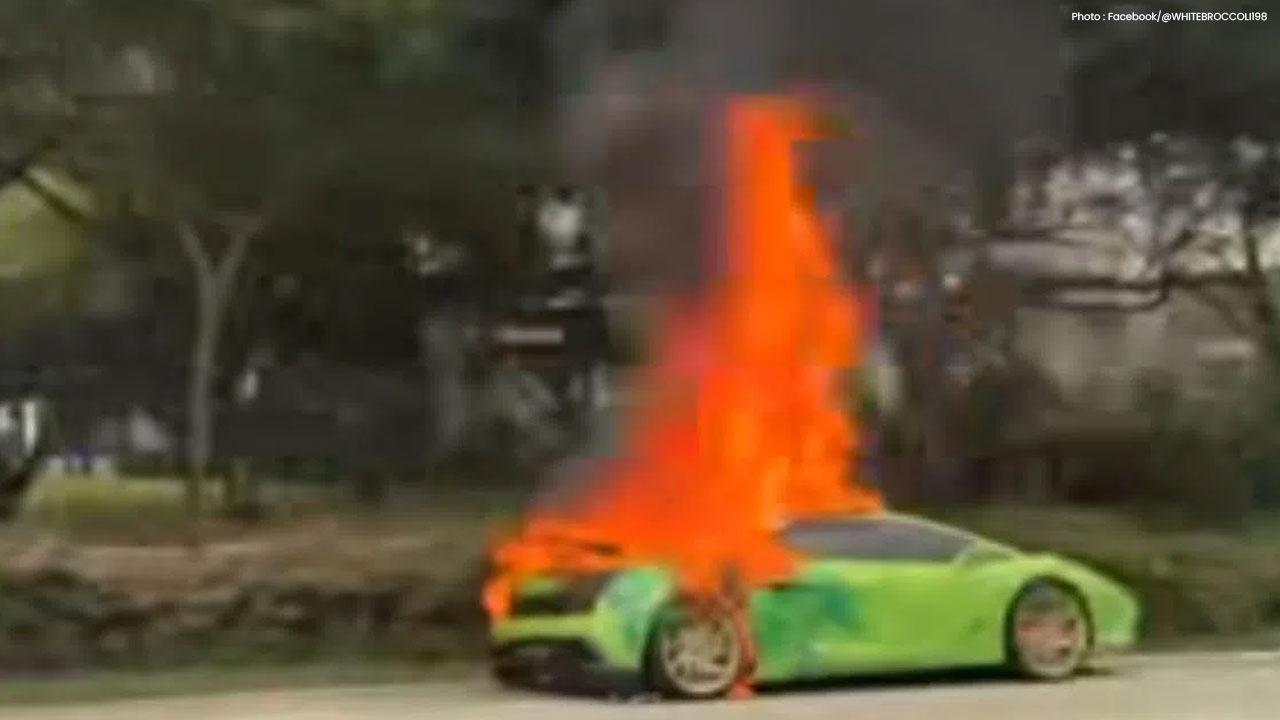
Lamborghini Catches Fire on Singapore's ECP, Causing Heavy Traffic
A Lamborghini caught fire on Singapore's ECP, causing heavy traffic and bus delays. No injuries were

Bangkok Airport Duty-Free Area Flooded by Pipe Burst
A burst water pipe flooded the duty-free shopping area at Bangkok's Suvarnabhumi Airport on July 16,