
You have not yet added any article to your bookmarks!
Join 10k+ people to get notified about new posts, news and tips.
Do not worry we don't spam!
Post by : Rohit Dhiman
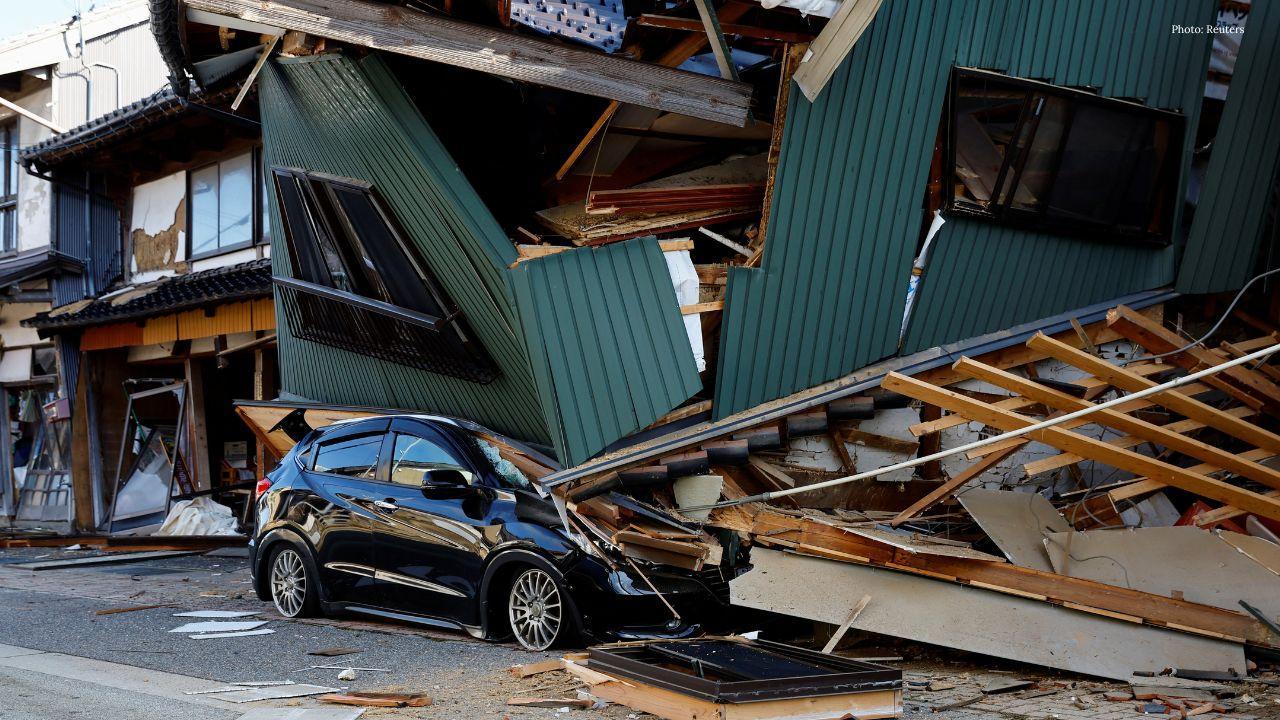
The powerful earthquake that struck Japan’s Kyushu region in late July created a major rescue and recovery operation, but emergency workers were confronted by another serious threat at the same time: extreme summer heat. The earthquake killed at least 38 people and left thousands without homes. In the days that followed, temperatures across parts of the region climbed into the high 30s Celsius, with some areas reaching 40°C for the first time on record. High humidity made conditions even more difficult. For residents staying in evacuation centres and temporary accommodation, the combination of earthquake damage and oppressive heat created a dangerous situation. Around 7,000 people were staying in 130 evacuation shelters and temporary facilities across Kumamoto, on Kyushu, one of Japan’s four main islands.
High temperatures can significantly complicate disaster response. People living in shelters or temporary accommodation face increased risks of dehydration, heat exhaustion and heatstroke, particularly when cooling systems are unavailable. Older people, babies and those living with chronic health conditions are especially vulnerable. At least one elderly woman is suspected to have died from heatstroke while staying inside her car, highlighting the dangers faced by people seeking temporary shelter after the earthquake. The problem is not limited to physical health. Hot and humid nights can also make it difficult for survivors to sleep, particularly when electricity supplies are disrupted and air conditioning cannot be used. Lack of sleep can increase stress, affect decision-making and make it harder for people to recover from the psychological and physical effects of a disaster. . Extreme temperatures can increase fatigue, reduce physical performance and force workers to take more frequent breaks, potentially slowing the recovery process.
The earthquake also damaged essential infrastructure in some areas. Disruptions to water supplies can become particularly serious during a heatwave because people need more drinking water to remain hydrated. At the same time, electricity demand increases as residents and emergency shelters require cooling. Power outages, however, can prevent people from using air conditioners and other cooling equipment. The situation can also affect medicines that need to be stored under controlled temperatures. Businesses may remain closed for longer periods, while schools and community facilities could face extended disruptions. Together, these problems create a chain of risks in which one disaster makes the consequences of another hazard more severe.
Scientists use the term “compound event” when different hazards interact and produce consequences that can be greater than those caused by either event alone. Such combinations can occur between weather-related hazards, such as heatwaves, droughts and wildfires. They can also involve climate-related extremes and geophysical events such as earthquakes.
Japan experienced another major earthquake disaster in Kumamoto in April 2016. That event caused widespread destruction, but it occurred during a much cooler part of the year, when temperatures were relatively mild. The 2026 earthquake happened during one of Japan’s hottest periods of summer. While the basic priorities of search, rescue and relief remained unchanged, the extreme environmental conditions created an entirely different set of challenges.
Read Also: US Energy Secretary Affirms 8–9 Million Barrels Flow Through Hormuz Daily
The Kumamoto experience highlights an important issue for disaster planning: the impact of a major disaster may increasingly depend not only on the event itself but also on the weather and climate conditions surrounding it. As global temperatures rise, extreme heat is becoming an important factor in emergency management. The lesson is not limited to Japan. A similar situation emerged during the 2018 western Japan floods, when a record-breaking heatwave followed the catastrophic flooding. Research later found that the extreme heat would have been virtually impossible without human-caused climate change.
These examples show that disasters do not always occur in isolation. A heatwave arriving during or after another major emergency can significantly increase pressure on communities, emergency workers and public services.
The latest earthquake in Kumamoto shows why disaster resilience needs to go beyond stronger buildings and earthquake-resistant infrastructure. Emergency planners also need to consider what happens when several hazards occur at the same time. This means evacuation centres may need better cooling arrangements, reliable access to drinking water and backup electricity. Emergency services must also account for the impact of extreme temperatures on rescue workers and vulnerable residents.The key question is no longer simply how communities can respond to an earthquake or a heatwave separately. Increasingly, authorities must prepare for situations in which multiple hazards overlap and intensify each other.Japan’s experience in Kyushu offers a clear warning: extreme heat can act as a disaster risk multiplier, turning the aftermath of a major earthquake into a much more complicated emergency.










PM Modi Pays Tribute to Mahatma Gandhi, Urges People to Support Khadi
PM Modi pays tribute to Mahatma Gandhi on Gandhi Jayanti and urges citizens to support Khadi and the

Amazon Seeks to Offload $8 Billion in Nvidia Chips to Investors
Amazon plans to move $8 billion in Nvidia chips to investors, using a new financing model to strengt

Samsung Raises Galaxy S26 Prices as Memory Chip Costs Rise
Samsung raises Galaxy S26 prices in South Korea as rising memory chip costs put pressure on smartpho

Lewis Hamilton Calls Singapore Grand Prix One of F1's Toughest Races
Lewis Hamilton discusses the demanding Singapore Grand Prix and brings Plus44 and Almave to Singapor

Denmark's Pandora Opens World's Largest Jewellery Factory in Vietnam
Pandora opens its largest jewellery factory in Vietnam, expanding global production, strengthening s

Gautam Gambhir Questions Batting-Friendly Pitches After India's Record ODI Chase
Gautam Gambhir questions batting-friendly ODI pitches after India’s record chase, calling for a bett

