
You have not yet added any article to your bookmarks!
Join 10k+ people to get notified about new posts, news and tips.
Do not worry we don't spam!
Post by : Saif Rahman
Japan has affirmed its readiness to take measures aimed at stabilizing its yen, even though the International Monetary Fund (IMF) categorizes it as a floating exchange rate. The nation's leading foreign exchange official mentioned that this classification does not hinder Japan from intervening in the markets when necessary.
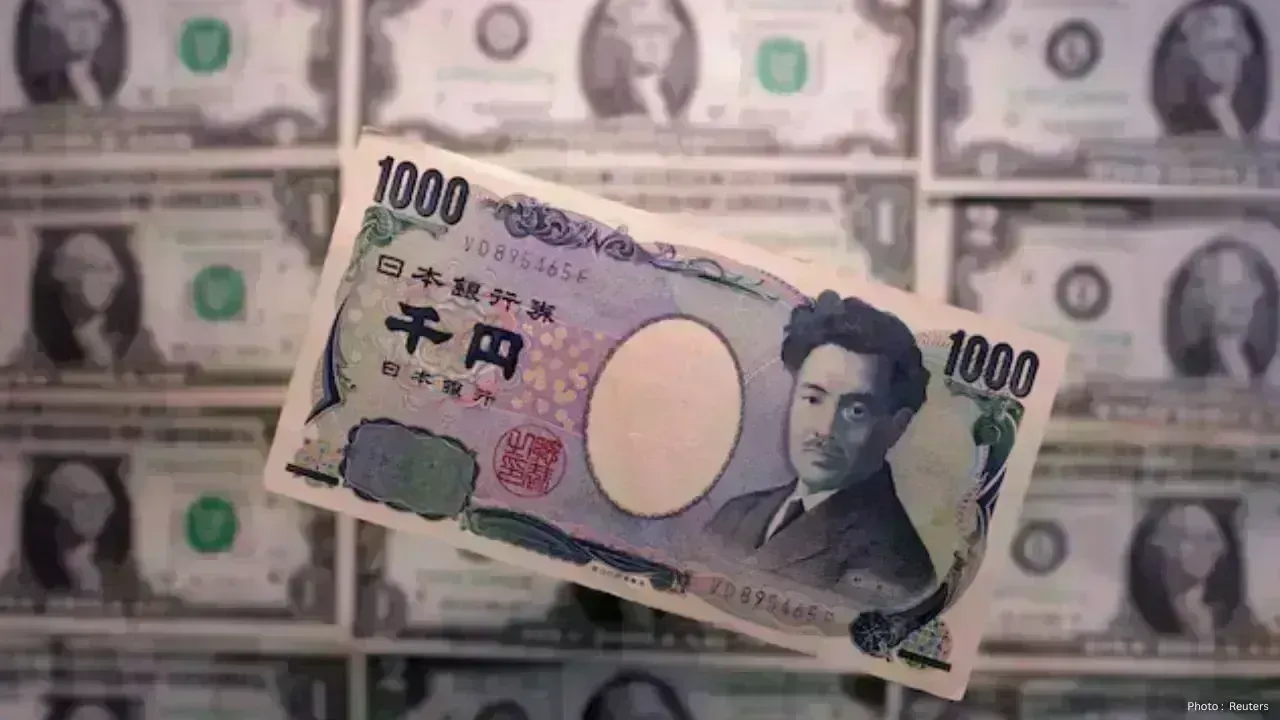
This announcement comes as the Japanese yen experiences significant pressure within global currency markets. The yen's value has dropped considerably against the US dollar, raising alarms regarding escalating import expenses and overall economic stability.
Officials in Japan are closely monitoring currency fluctuations, warning that intervention may occur if the yen's value experiences rapid or excessive shifts. This type of intervention consists of government actions to buy or sell its own currency to manage its worth.
IMF classifications categorize currencies based on their management methods. A floating rate indicates that a currency's value is largely defined by market dynamics, such as supply and demand. Nevertheless, Japan has asserted that even with a floating system, governments can act during critical market situations.
Japan's forex chief clarified that the IMF's classification doesn’t limit nations from reacting to significant market fluctuations. The primary focus, he stated, should be on preventing chaotic changes harmful to the economy, rather than constantly controlling the currency's value.
A declining yen presents both challenges and prospects for Japan. While a weaker currency raises import prices — affecting costs for fuel, food, and raw materials and consequently driving inflation — it also stands to benefit exporters. Japanese firms dealing in international markets could see greater profits when converted back into yen, potentially bolstering economic growth and corporate profits.
However, unpredictable currency fluctuations can sow discord in financial markets, complicating business planning and causing investor hesitation. This is why governmental intervention may be required to stabilize the situation.
Japan has a history of intervening in currency markets during extreme volatility. Past instances have involved authorities purchasing yen to support its value when it deteriorated too rapidly. Such interventions are generally in collaboration with central banks and monitored closely by global financial organizations.
Current circumstances are also swayed by worldwide economic conditions. The disparity in interest rates between Japan and the U.S. has significantly weakened the yen. While the U.S. Federal Reserve has tightened rates to combat inflation, Japan has opted for lower rates to invigorate economic growth.
This rate gap enhances the attractiveness of the U.S. dollar for investors, leading to a surge in demand for dollars and a corresponding decline in the yen's value. Consequently, Japan faces ongoing pressure to manage its currency without destabilizing global financial structures.
Japan’s forex chief’s remarks aim to convey a decisive message to the market. By expressing a willingness to act, authorities intend to deter excessively speculative activity against the yen. At times, strong verbal interventions alone can sway market sentiment.
Experts predict that Japan will maintain a cautious approach. Direct intervention is typically regarded as a last resort, utilized only under extreme conditions. Governments usually favor communication and policy adjustments to navigate the market effectively.
The IMF plays a pivotal role in supervising global currency practices. While it endorses flexible exchange rates, it permits countries to act when market movements become chaotic or detrimental.
Japan's stance exemplifies a balance between upholding global financial norms and safeguarding national economic interests. The government aims to ensure stability without exacerbating global tensions.
This situation underscores the interconnectedness of global markets. Currency shifts in one nation can ripple through trade, investments, and financial sectors internationally, making clear communication essential.
As of now, Japan is vigilantly observing its currency and global market trends. Officials stand poised to intervene if necessary, while carefully considering the timing and implications of any actions.
The overarching message from Japan is that even with a floating exchange rate system, the government will not shy away from intervening during drastic market movements. Maintaining stability remains paramount as global economic conditions evolve.
#Business News #Business Updates #Business & economy #Business










PM Modi Pays Tribute to Mahatma Gandhi, Urges People to Support Khadi
PM Modi pays tribute to Mahatma Gandhi on Gandhi Jayanti and urges citizens to support Khadi and the

Amazon Seeks to Offload $8 Billion in Nvidia Chips to Investors
Amazon plans to move $8 billion in Nvidia chips to investors, using a new financing model to strengt

Samsung Raises Galaxy S26 Prices as Memory Chip Costs Rise
Samsung raises Galaxy S26 prices in South Korea as rising memory chip costs put pressure on smartpho

Lewis Hamilton Calls Singapore Grand Prix One of F1's Toughest Races
Lewis Hamilton discusses the demanding Singapore Grand Prix and brings Plus44 and Almave to Singapor

Denmark's Pandora Opens World's Largest Jewellery Factory in Vietnam
Pandora opens its largest jewellery factory in Vietnam, expanding global production, strengthening s

Gautam Gambhir Questions Batting-Friendly Pitches After India's Record ODI Chase
Gautam Gambhir questions batting-friendly ODI pitches after India’s record chase, calling for a bett

