You have not yet added any article to your bookmarks!
Join 10k+ people to get notified about new posts, news and tips.
Do not worry we don't spam!
Post by : Saif Rahman
Japan has opted not to address the absence of the Bank of Japan in a rare unified statement from major central banks endorsing U.S. Federal Reserve Chair Jerome Powell. This decision has raised eyebrows as global finance leaders scrutinize the balance between political authority and central bank autonomy.
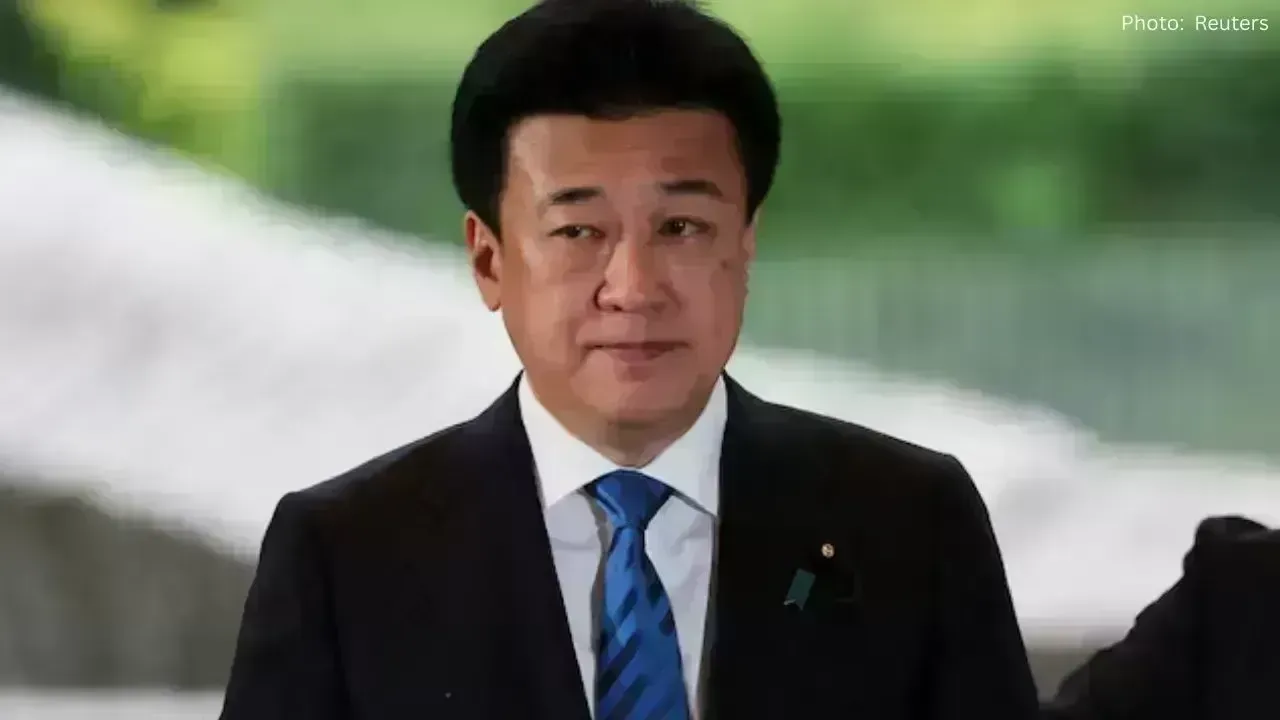
During a routine press briefing in Tokyo, Chief Cabinet Secretary Minoru Kihara stated that the matter is up to the Bank of Japan. He emphasized that the government would refrain from comments, as the central bank operates independently. His remarks followed endorsements from several leading central banks after the Trump administration floated the idea of pursuing criminal charges against Powell.
The joint statement was notable for both its timing and scope, receiving endorsements from the heads of the European Central Bank, the Bank of England, and the Bank of Canada. Leaders from Sweden, Denmark, Switzerland, Australia, South Korea, Brazil, and France also lent their names, collectively underscoring their backing for Powell and the importance of safeguarding central banks from political influence.
However, the Bank of Japan's absence from this list has sparked questions regarding Japan’s stance, particularly amid rising global concerns about political sway over monetary policy.
When queried about the significance of central bank autonomy, Kihara offered a measured answer. He indicated that the Japanese government believes the ultimate duty for macroeconomic policy resides with it. Yet, he recognized that laws demarcate the need for the Bank of Japan to engage regularly with the government.
Kihara clarified that while monetary policy fits within the broader economic agenda, the specific tactics and decisions belong solely to the Bank of Japan. This statement illustrates Japan's traditional approach, wherein collaboration exists between government and central bank, while day-to-day policy choices rest with the bank.
Japan’s stance is particularly noteworthy given that central bank independence is often regarded as crucial for financial stability. An independent central bank is expected to make decisions rooted in economic realities rather than succumbing to political pressures. The supportive joint statement for Powell was widely interpreted as a collective message from global financial leaders about the necessity of maintaining this independence.
Japan’s decision to abstain from commenting does not inherently denote disagreement with the joint statement; rather, it may represent a prudent stance informed by its legal structure and unique governmental-central bank relationship. Nonetheless, this silence has sparked discussions among economists and political analysts.
This development underscores the mounting tension between political forces and monetary governance globally. As governments confront economic strains, inflation apprehensions, and political hurdles, the role of central banks becomes increasingly delicate. How nations navigate these pressures can significantly influence global markets and public confidence.
For Japan, remaining silent might be an effort to circumvent political discord while upholding its traditional framework. Yet, this choice also reminds the international community that each country navigates central bank independence through its historical, legal, and national contexts.
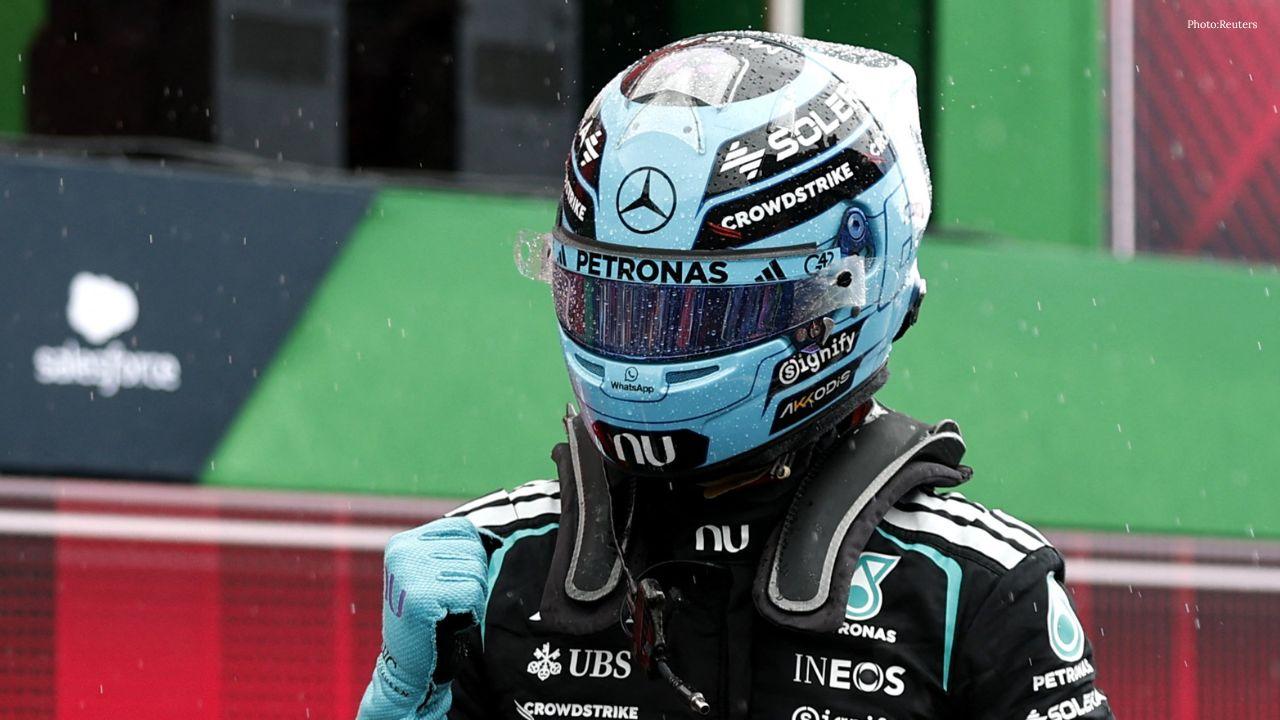





George Russell Wins Dutch GP Sprint, Boosts Mercedes Morale
George Russell wins the Dutch GP Sprint from pole as Mercedes teammate Kimi Antonelli extends his F1

Australia 50/3 After Bangladesh Bowled Out for 64 in Second Test
Australia reached 50/3 after Bangladesh were bowled out for 64 in the second Test, with Mitchell Sta

Jordan Burroughs Returns to Wrestling with 2028 Olympic Dream
Jordan Burroughs returns to wrestling with Real American Freestyle as the Olympic champion eyes a po

Lamborghini Catches Fire on Singapore's ECP, Causing Heavy Traffic
A Lamborghini caught fire on Singapore's ECP, causing heavy traffic and bus delays. No injuries were

Bangkok Airport Duty-Free Area Flooded by Pipe Burst
A burst water pipe flooded the duty-free shopping area at Bangkok's Suvarnabhumi Airport on July 16,
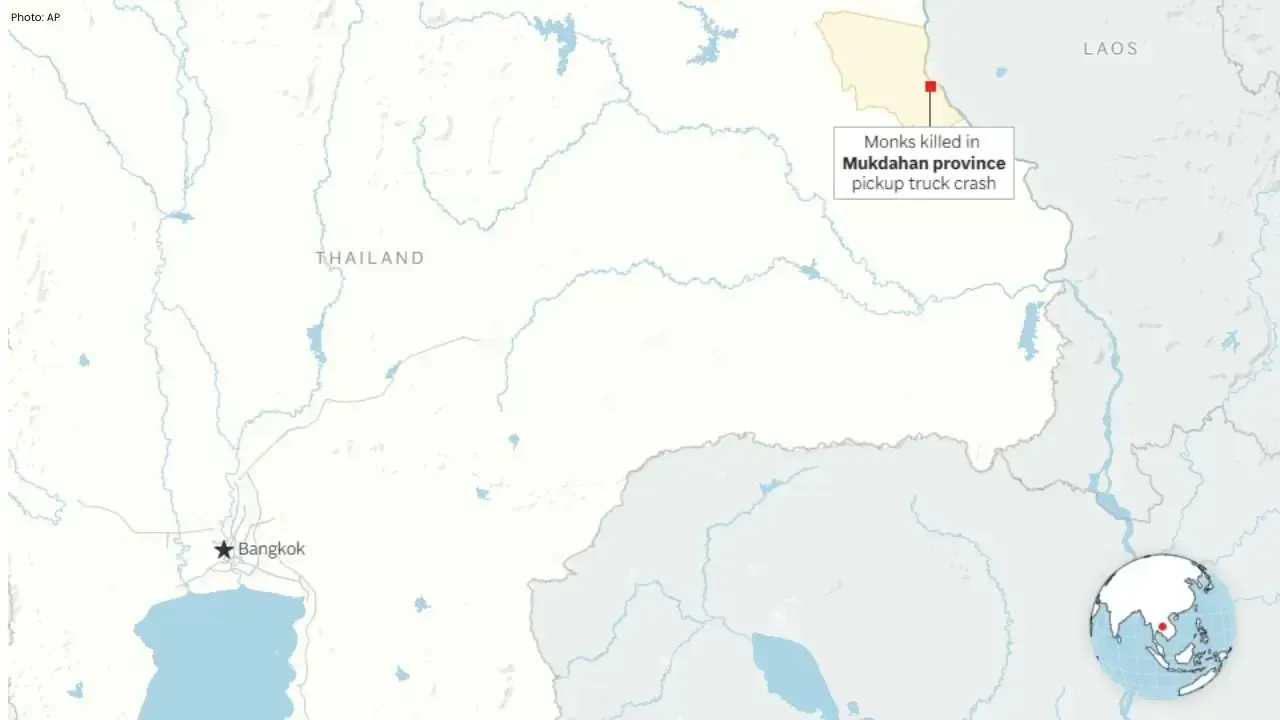
Nine Monks Killed in Thailand Pickup Truck Tragedy
An 11-year-old boy driving a pickup truck crashed into monks during a pilgrimage in northeastern Tha