You have not yet added any article to your bookmarks!
Join 10k+ people to get notified about new posts, news and tips.
Do not worry we don't spam!
Post by : Samjeet Ariff
Residing in a polluted city results in dust accumulating on various surfaces—floors, furniture, gadgets, and even on your skin. Despite frequent cleaning, dust seems to reappear instantly. This persistent layer of fine particles isn't merely bothersome; it impacts air quality, triggers allergies, irritates skin, and makes your dwelling feel unwelcoming. To achieve a genuinely dust-free home in polluted settings, you'll need a combination of effective habits, the right tools, and preventative measures. This detailed guide (1000+ words) outlines practical and sustainable actions to ensure a cleaner, healthier home in even the dustiest urban areas.
Urban homes gather dust more rapidly due to high levels of particulate matter from construction activities, vehicular traffic, industrial emissions, and arid weather conditions. When windows are opened, microscopic particles infiltrate and settle. Even sealed homes collect dust for several reasons:
Air leaks around windows and doors
Poor ventilation bringing outdoor air inside
Indoor sources like fabric fibers, skin flakes, and cooking remnants
Weather changes that transport pollutants
Understanding these factors enables you to effectively mitigate dust accumulation.
Dust infiltrates through small openings that often go unnoticed. By sealing these points, you can drastically decrease indoor dust levels.
Fit rubber or silicone door sweeps under exterior doors
Attach foam weatherstrips around door edges
Repair window gaps with silicone sealant
Add mesh screens with fine filters on windows
Keep balcony doors shut during windy or traffic-heavy times
This small investment can considerably reduce daily dust accumulation.
Not every air purifier effectively combats pollution-level dust. Opt for one featuring a true HEPA filter (H13 or higher) that captures ultra-fine debris.
True HEPA (as opposed to “HEPA-like”)
Activated carbon filter for smoke and odors
Strong CADR rating for rapid cleaning
Low noise levels for nighttime use
Place purifiers in significant areas such as the living room, bedroom, and where dust accumulates.
Sweeping tends to stir dust into the air, causing it to settle back within minutes. Vacuuming effectively traps the dust.
HEPA filtration
Powerful suction for fine dust particles
Versatile attachments for corners, upholstery, and drapes
Bagless designs for non-stop cleaning
Aim to vacuum at least three times a week, especially in dust-prone households.
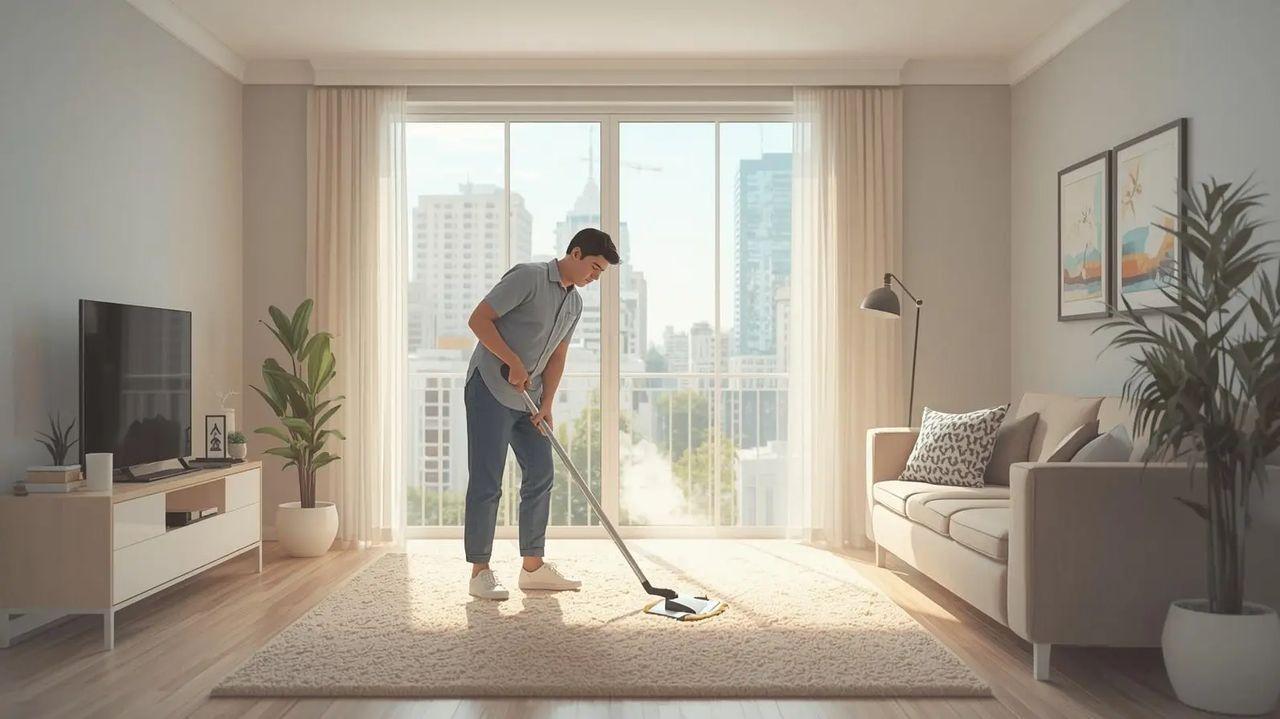
Dry mopping can leave behind a fine dust layer. Wet mopping is far more effective in capturing micro dust particles.
Choose microfiber mops rather than cotton ones
Change mop water often
Incorporate a mild floor-safe disinfectant to eliminate sticky residues
Focus on corners, baseboards, and beneath heavy furniture every few days
Microfiber is considerably more efficient at trapping dust compared to regular cloth.
Homes with abundant fabric tend to accumulate more dust. Curtains, carpets, and soft furnishings gather fine particles that circulate when someone walks past.
Curtains: every 3–4 weeks
Cushion covers: every 2 weeks
Carpets: steam clean every 2-3 months
Sofa upholstery: vacuum weekly
Consider using blinds instead of curtains to reduce dust—much easier to clean weekly.
While open shelves may be visually appealing, they accumulate dust quite rapidly. Transitioning to closed storage can significantly decrease both cleaning effort and dust exposure.
Select cupboards with snug doors
Store books in glass-door cabinets
Utilize closed shoe racks with filters
Avoid open racks for cosmetics and accessories
This avoids dust accumulation on frequently handled items.
Shoes carry dust, pollutants, and outdoor debris into the home. A simple guideline—“no outdoor shoes indoors”—can prevent at least 30% of dust from entering.
An outdoor shoe rack by the entrance
Indoor mats for foot wiping
A separate pair of comfortable indoor slippers
This can drastically reduce indoor dust levels.
Air conditioning units and ceiling fans accumulate dust, which gets spread across the home once operated.
AC filters: clean bi-weekly
AC maintenance: every 6 months
Fan blades: wipe weekly with a microfiber cloth
Exhaust fans: clean monthly
A well-maintained AC unit not only enhances cooling but also minimizes dust and cuts electricity costs.
Opening windows during peak traffic hours can greatly increase indoor dust levels.
Early morning (before 7 AM)
Late evening after pollution subsides
Utilize apps that display real-time air quality to determine optimal ventilation times.
Plants cannot replace air purifiers but certain varieties can help trap dust and enhance air quality in polluted areas.
Snake plant
Peace lily
Spider plant
Areca palm
Position them strategically near windows and entryways where dust enters.
The more items you have on displays, the more dust they capture.
Minimize items on tables and countertops
Utilize boxes for smaller belongings
Steer clear of open decorative shelves
Display only essentials
This helps in reducing dust accumulation and expedites cleaning.
One of the easiest dust-control strategies is placing strong doormats at every entrance.
Choose coir or robust mats outside
Employ microfiber or cotton mats indoors
Wash indoor mats weekly
This prevents outdoor dust from being tracked in by shoes or wind.
Pillows, mattresses, and blankets can harbor dust mites, skin cells, and outdoor particles.
Wash bed linens weekly
Vacuum the mattress every 2-3 weeks
Employ allergen-proof mattress covers
Drape pillows in sunlight monthly
Keeping bedding clean enhances sleep quality and reduces allergy symptoms.
Microfiber efficiently traps dust, unlike cotton which simply moves it around.
Use dry microfiber for electronics and shelves
Employ damp microfiber for tough dust layers
Wash microfiber separately to maintain its efficacy
This ensures surfaces remain dust-free for extended periods.
A simple weekly task plan aids in preventing dust from overwhelming your environment:
A routine ensures your home stays consistently clean, even in areas with high pollution.
This article provides general home maintenance advice based on common cleaning practices and local environmental considerations. Actual results may differ by pollution levels, home structure, and individual habits. Readers should tailor these recommendations in accordance with their unique circumstances, health requirements, and lifestyle.










Beauden Barrett Opens Up About Mental Struggles During All Blacks Exile
Beauden Barrett discusses his confidence struggles after missing six tests, his return against Austr

IMF Says AI Investment Supports Global Growth Despite Energy Shock
IMF says AI investment is supporting global growth near 3%, with Asian economies benefiting from ris

Will O'Rourke Ruled Out of New Zealand's India Series
New Zealand fast bowler Will O'Rourke will miss the India series with hamstring and calf injuries as

AI Companies Expected to Drive Most US Earnings Growth in Q3
AI companies are expected to drive US third-quarter earnings growth as investors assess tech profits

Money Market Funds See Record Inflows as Global Bond Selloff Intensifies
Global money market funds attract $153.81 billion as bond yields rise, inflation fears persist and i

Meta Bans TikTok Ads on Facebook and Instagram in Seven Countries
Meta has banned TikTok ads in seven countries, escalating competition over social media users, adver