You have not yet added any article to your bookmarks!
Join 10k+ people to get notified about new posts, news and tips.
Do not worry we don't spam!
Post by : Meena Ariff
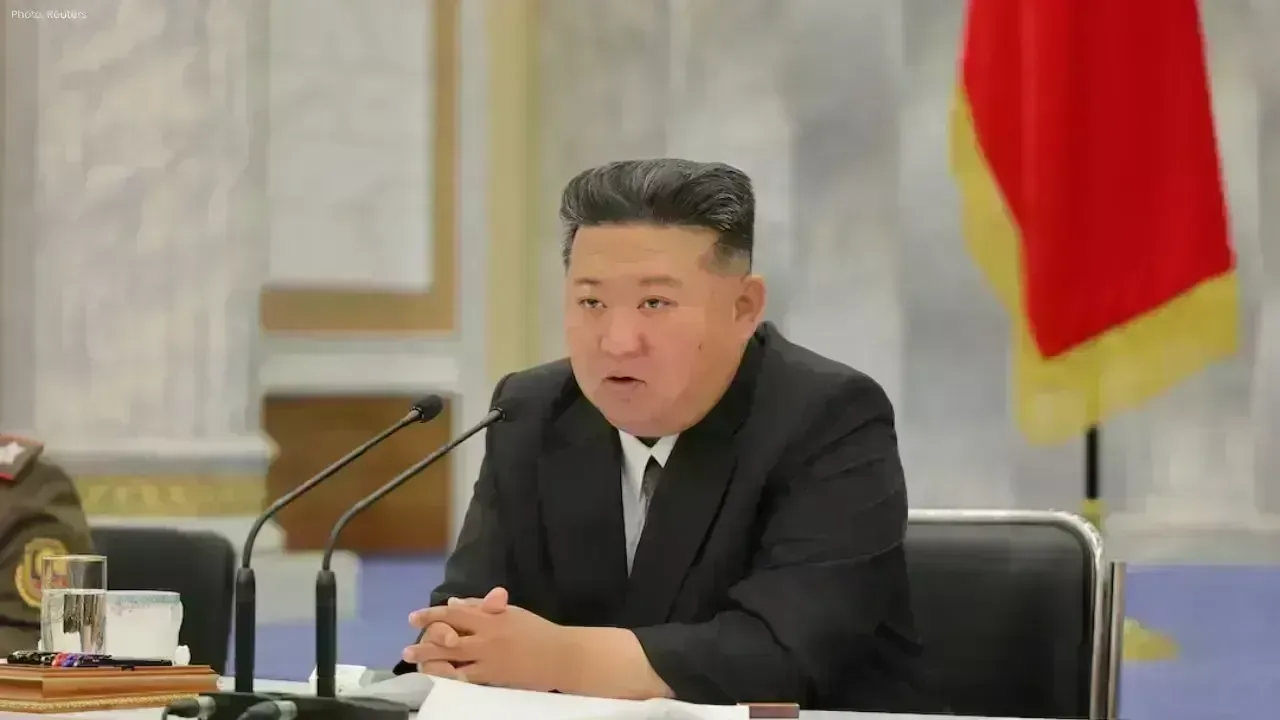
North Korean leader Kim Jong Un has issued a firm directive to ramp up the production of missiles and artillery shells, signaling an intensified focus on expanding the country’s military capabilities. As part of this push, Kim has instructed officials to construct additional factories dedicated to meeting the increasing demand from North Korea’s armed forces.
During recent inspections of munitions factories, Kim emphasized the critical importance of the missile and artillery production sector in strengthening the nation’s war deterrent. He called for these factories to prepare for a busy and productive year ahead, with an emphasis on expanding overall manufacturing capacity to keep pace with military needs.
In a notable visit to a shipyard, Kim personally inspected the construction of a large, 8,700-ton nuclear-powered submarine designed to launch surface-to-air missiles. This vessel represents a major step forward in North Korea’s naval capabilities. Photos from the visit revealed the submarine’s burgundy-coated hull inside an assembly hall, marking the first clear images released since earlier in the year. Experts analyzing the submarine’s design say it is equipped with a nuclear reactor and is nearly ready for deployment.
During the inspection, Kim warned that South Korea’s plans to develop its own nuclear-powered submarines would only increase instability in the region, labeling these plans as a direct threat to North Korea’s national security. This comes after South Korea’s president recently sought support from the United States to acquire nuclear submarine technology, a move that has raised tensions on the Korean Peninsula.
In addition to factory visits and the submarine inspection, Kim also oversaw a test launch of newly developed high-altitude, long-range anti-air missiles over the Sea of Japan. The tests are part of North Korea’s broader efforts to modernize and improve its weapons systems. Kim announced that fresh modernization and production plans will be unveiled at the ruling Korean Workers Party congress scheduled for early next year.
Analysts believe that these developments reflect North Korea’s strategy to enhance its precision-strike capabilities, aiming to exert pressure on both the United States and South Korea. The missile tests and production expansions may also be connected to plans to export advanced weapons systems to Russia.
Since Russia’s invasion of Ukraine nearly four years ago, the military relationship between Pyongyang and Moscow has grown closer. North Korea has reportedly provided Russia with troops, artillery shells, missiles, and rocket systems under a mutual defense pact signed by Kim Jong Un and Russian President Vladimir Putin. In return, Russia has supplied North Korea with financial aid, military technology, and vital resources such as food and energy.
Experts also note that North Korea may seek further advanced military technology from Russia, including capabilities related to nuclear-powered submarines and fighter jets, further deepening their strategic alliance.
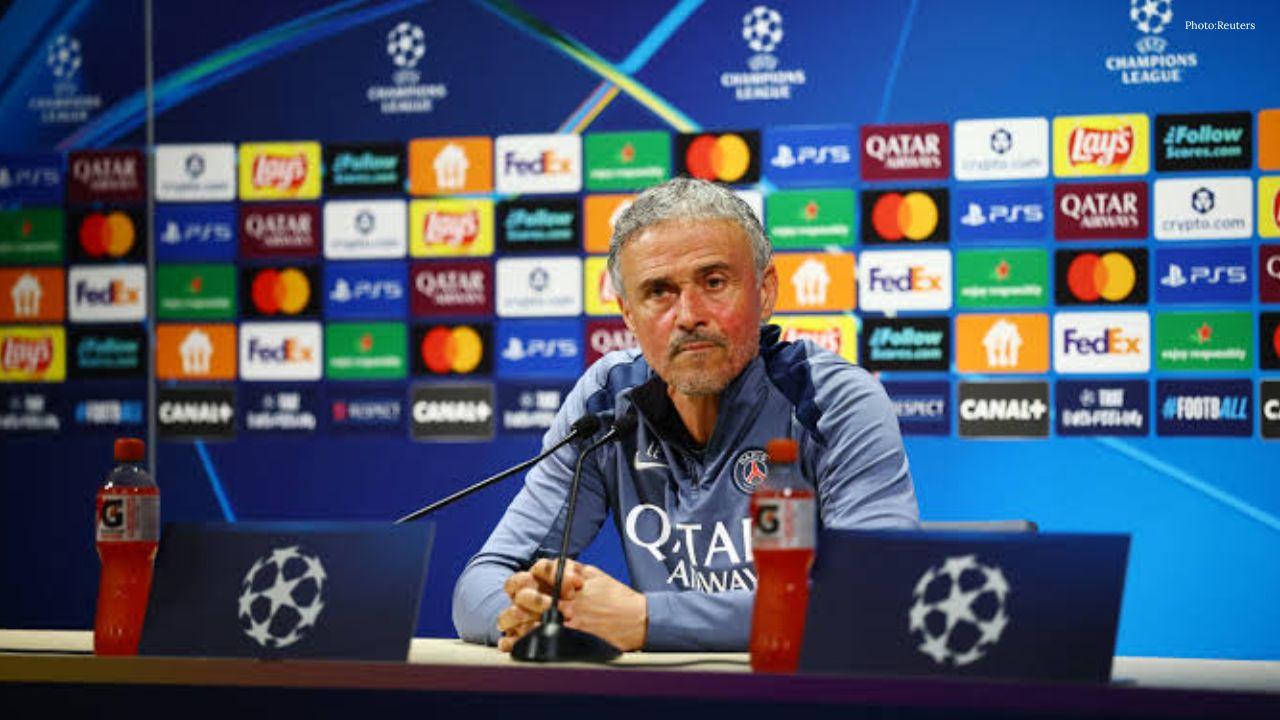


PSG Coach Luis Enrique Urges Players to Step Outside Comfort Zone
PSG coach Luis Enrique says players must leave their comfort zone and keep improving as the club tar

China’s Tiangong Sets New 400m Record at Robot Olympics
China’s Tiangong robot sets a new 400m record at the Robot Olympics, beating a South African robot i

George Russell Wins Dutch GP Sprint, Boosts Mercedes Morale
George Russell wins the Dutch GP Sprint from pole as Mercedes teammate Kimi Antonelli extends his F1
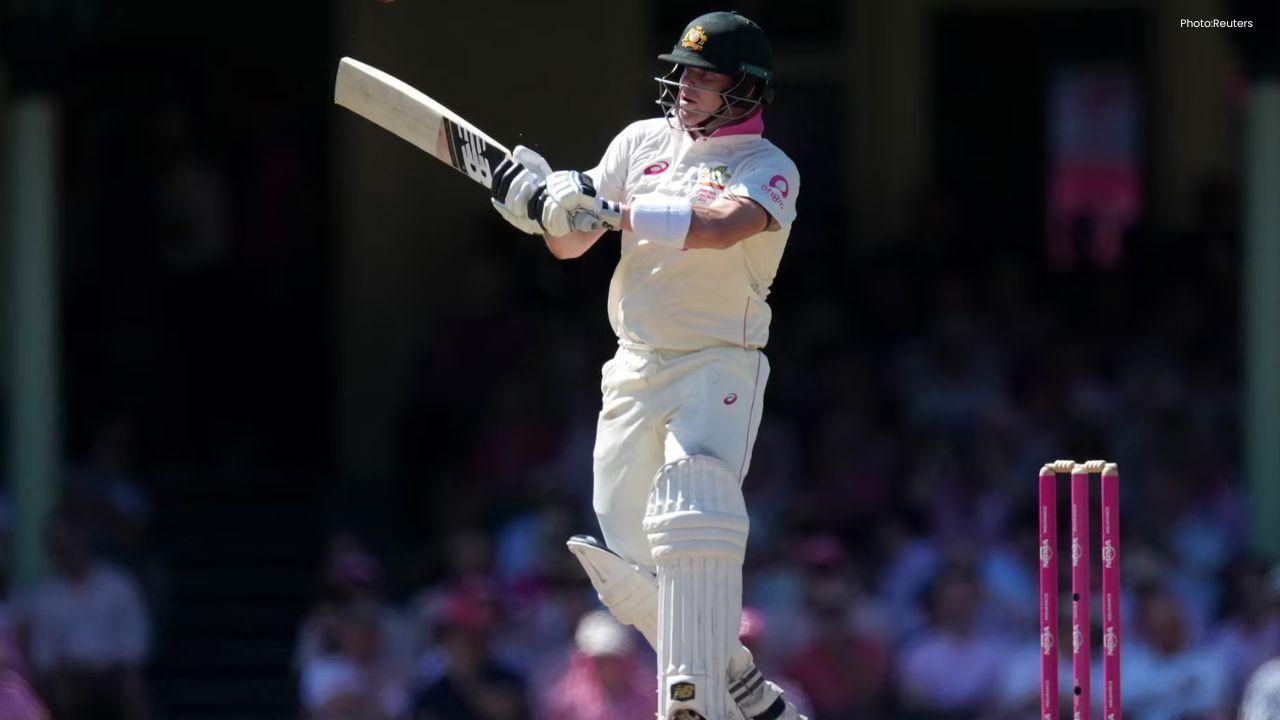
Australia 50/3 After Bangladesh Bowled Out for 64 in Second Test
Australia reached 50/3 after Bangladesh were bowled out for 64 in the second Test, with Mitchell Sta

Jordan Burroughs Returns to Wrestling with 2028 Olympic Dream
Jordan Burroughs returns to wrestling with Real American Freestyle as the Olympic champion eyes a po
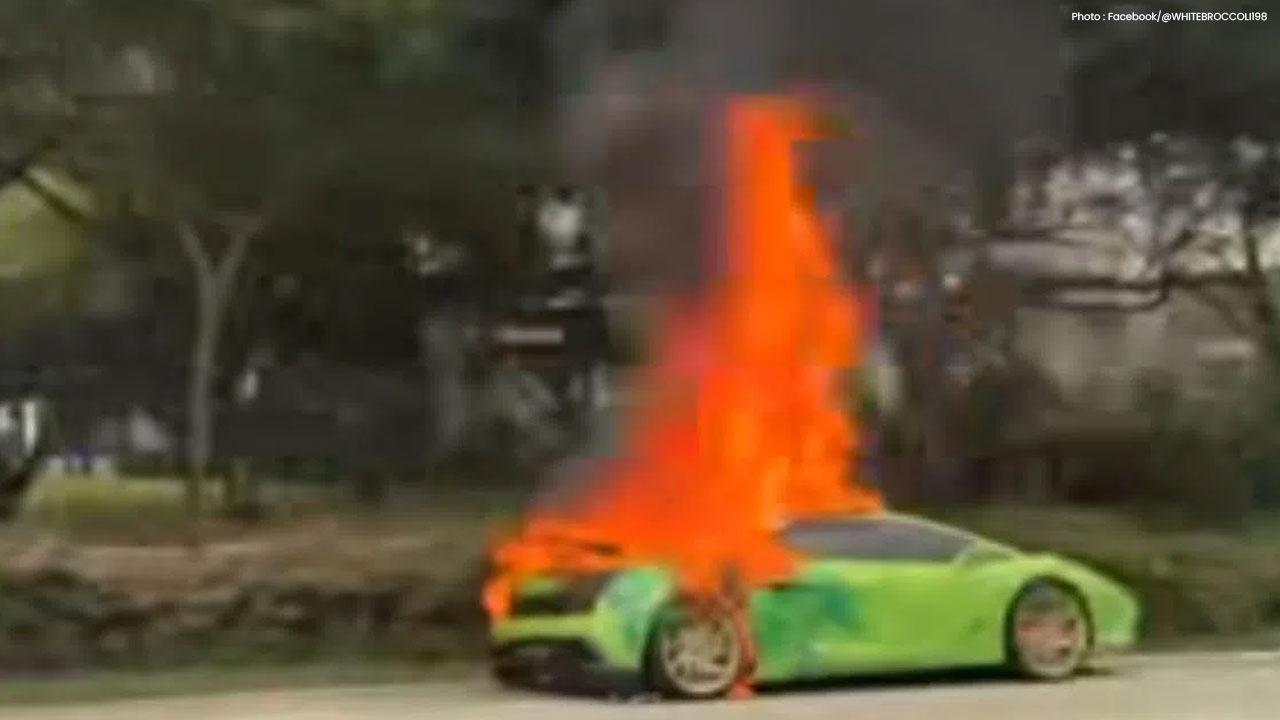
Lamborghini Catches Fire on Singapore's ECP, Causing Heavy Traffic
A Lamborghini caught fire on Singapore's ECP, causing heavy traffic and bus delays. No injuries were