
You have not yet added any article to your bookmarks!
Join 10k+ people to get notified about new posts, news and tips.
Do not worry we don't spam!
Post by : Rameen Ariff
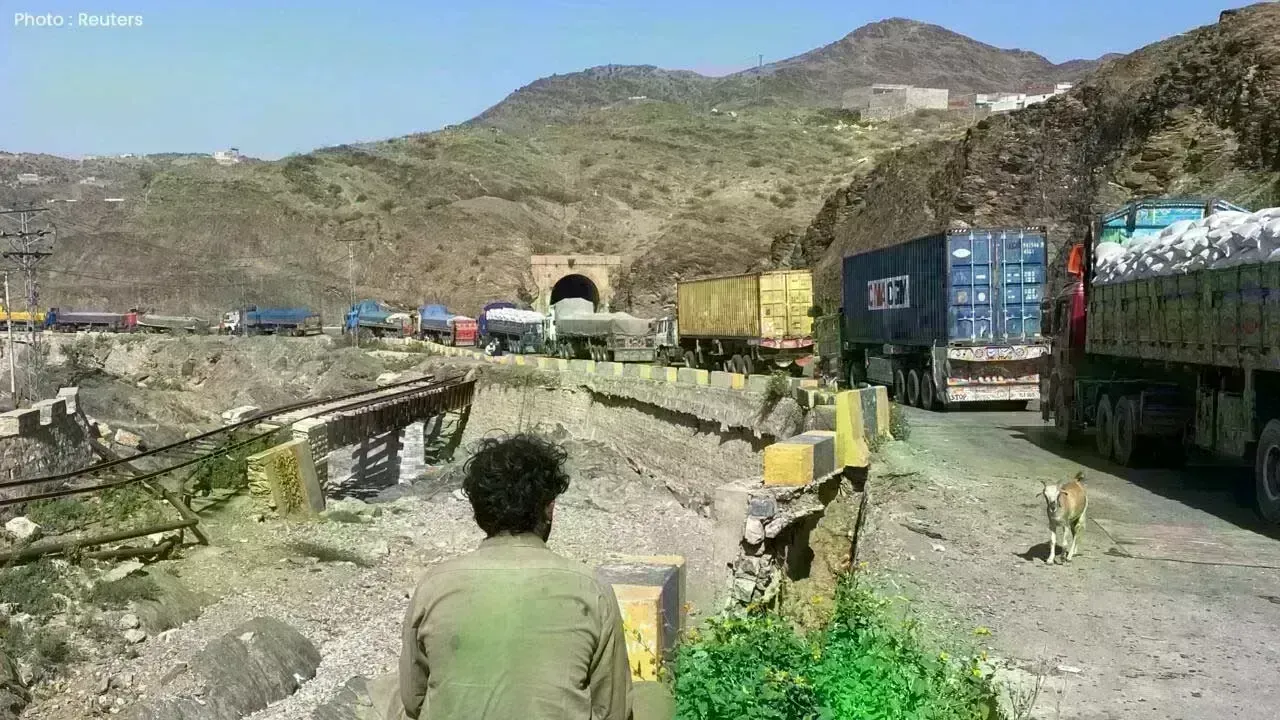
The Kunar River water dispute escalated on December 17, 2025, after Afghanistan’s ruling authorities approved a plan to divert water from the Kunar River toward the country’s eastern Nangarhar region. The decision, taken in Kabul, threatens to reduce the river’s downstream flow into Pakistan’s Khyber Pakhtunkhwa province, raising serious concerns over water security, agriculture, and power generation. The move matters globally as it highlights how water scarcity and climate pressure are turning shared rivers into sources of regional tension.
According to officials familiar with the decision, the plan was approved during a meeting of Afghanistan’s economic and technical committees earlier this week. The project aims to redirect water to the Darunta Dam, which authorities say will help address chronic water shortages affecting farmland and local communities in eastern Afghanistan. However, the same project is expected to significantly impact water availability across the border in Pakistan.
The issue gained urgency because Pakistan and Afghanistan do not have a formal water-sharing treaty governing the Kunar River. Unlike the Indus River system, which is regulated by an international agreement, there is no legal framework to manage or resolve disputes over this river. This has left Islamabad with limited options to challenge or negotiate the move.
The Kunar River originates in Pakistan’s northern mountainous regions before flowing into Afghanistan and later re-entering Pakistan to join the Indus basin. It plays a crucial role in irrigation, drinking water supply, and hydroelectric power, especially in remote areas that already face water shortages and security challenges.
Pakistani experts warn that any reduction in river flow could disrupt farming cycles, strain urban water supply, and weaken hydropower output at a time when water stress is already rising due to climate change. Public concern has grown rapidly, with analysts cautioning that unilateral actions on shared rivers could further strain fragile regional relations.
The latest developments suggest Pakistan may raise the issue through diplomatic channels in the coming days. Whether talks can prevent escalation remains uncertain, but the outcome could shape future cross-border water management in South Asia.










PM Modi Pays Tribute to Mahatma Gandhi, Urges People to Support Khadi
PM Modi pays tribute to Mahatma Gandhi on Gandhi Jayanti and urges citizens to support Khadi and the

Amazon Seeks to Offload $8 Billion in Nvidia Chips to Investors
Amazon plans to move $8 billion in Nvidia chips to investors, using a new financing model to strengt

Samsung Raises Galaxy S26 Prices as Memory Chip Costs Rise
Samsung raises Galaxy S26 prices in South Korea as rising memory chip costs put pressure on smartpho

Lewis Hamilton Calls Singapore Grand Prix One of F1's Toughest Races
Lewis Hamilton discusses the demanding Singapore Grand Prix and brings Plus44 and Almave to Singapor

Denmark's Pandora Opens World's Largest Jewellery Factory in Vietnam
Pandora opens its largest jewellery factory in Vietnam, expanding global production, strengthening s

Gautam Gambhir Questions Batting-Friendly Pitches After India's Record ODI Chase
Gautam Gambhir questions batting-friendly ODI pitches after India’s record chase, calling for a bett

