You have not yet added any article to your bookmarks!
Join 10k+ people to get notified about new posts, news and tips.
Do not worry we don't spam!
Post by : Shweta
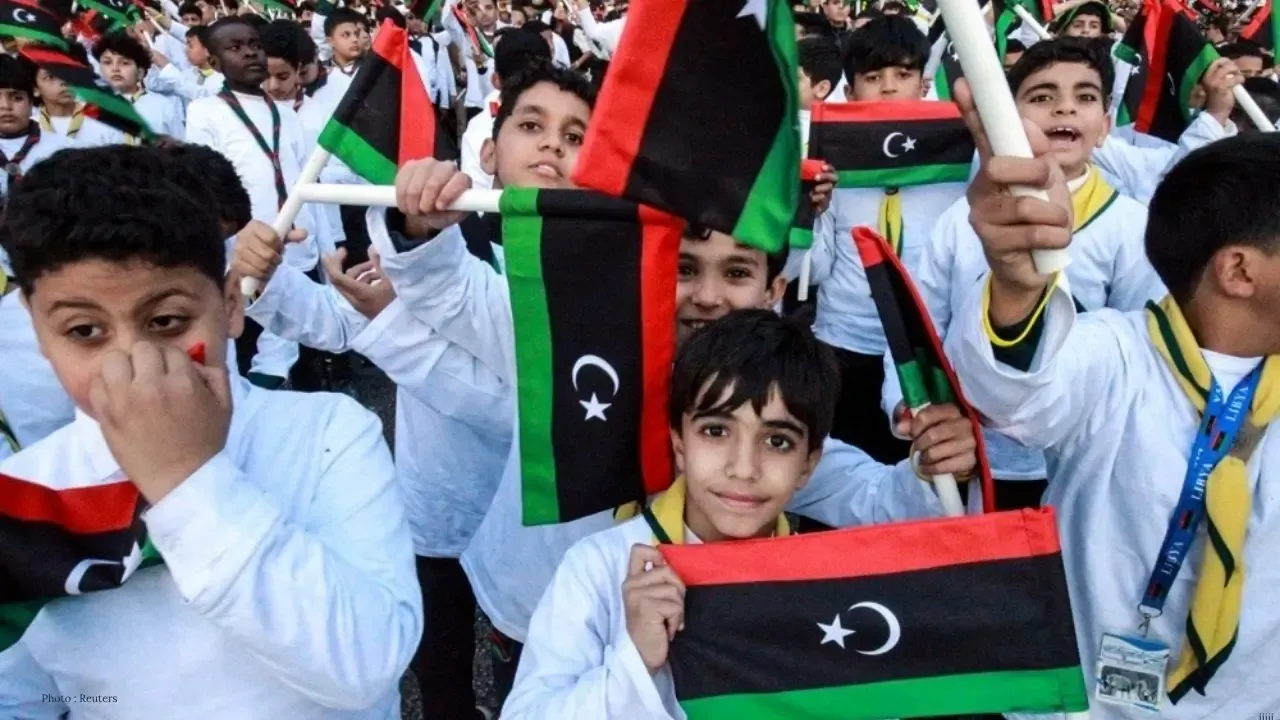
In a significant move towards political resolution, representatives from Libya's rival institutions have ratified a plan aimed at facilitating presidential and parliamentary elections in the span of 24 months.
The accord was formalized in Tripoli with the support of the UN Support Mission in Libya (UNSMIL), addressing pivotal disagreements over electoral laws and striving to reform the national electoral body while closing the chapters on the political divides that have plagued the country.
After extensive discussions under the “4+4” format spanning several months, key Libyan power stakeholders, including the Government of National Unity, the High Council of State, the House of Representatives, and the Libyan National Army, participated in the negotiations.
This proposed framework envisages both presidential and legislative elections to be conducted under a unified executive authority and consolidated national institutions within 24 months.
Should this timeline prove unfeasible, all parties will collaborate with UNSMIL to devise an alternative plan to maintain electoral ambitions.
UN Special Representative for Libya, Hanna Tetteh, heralded this agreement as a decisive breakthrough that could shatter the long-standing political inertia hampering Libya’s electoral processes.
According to Tetteh, it is now imperative for Libyan political factions to translate this agreement into actionable steps, including establishing the electoral framework, implementing necessary reforms, and fostering conditions for credible elections.
The UN will persist in its efforts to support and facilitate this process.
Prime Minister Abdul Hamid Dbeibeh voiced his support for the agreement, emphasizing its significance in bringing an end to Libya’s prolonged transition period.
Dbeibeh asserted that it is essential for Libyans to decide their political destiny through elections that restore legitimacy to governmental institutions.
House of Representatives Speaker Aguila Saleh also expressed support for the agreement, endorsing measures aimed at ending political divides and enabling simultaneous elections.
Despite the strides made, Libya continues to confront significant obstacles. Numerous attempts at establishing political initiatives and election schedules have faltered in the wake of Muammar Qaddafi’s ousting in 2011.
Contentions regarding electoral legislation, institutional integrity, and the balance of political power have consistently obstructed any lasting resolution.
Analysts have cautioned that the real test of this agreement will be its execution rather than the mere signing event.
Former Egyptian diplomat Rakha Ahmed Hassan acknowledged the agreement's positive implications but warned that past UN-led attempts have rarely delivered enduring political outcomes.
Experts emphasize that Libya’s rival factions must demonstrate true political commitment for the roadmap to materialize successfully.
The foremost challenge will be circumventing delays, conflicts, and divergent interests that could hinder the electoral journey.
Libya remains entrenched in divisions between numerous political and security entities, despite extensive international mediation efforts. The nation continues to grapple with the repercussions of sustained instability, despite its wealth of natural resources.
A successful electoral initiative could pave the way for stronger national institutions and provide Libyans with a choice in their political representation through legitimate elections.
However, upholding the 24-month timeline necessitates ongoing collaboration among the competing political and security factions.
This renewed diplomatic effort occurs against the backdrop of regional and international actors exerting significant scrutiny over Libya's trajectory.
The Arab League has backed a Libyan-centered political trajectory aimed at consolidating state institutions and organizing both presidential and parliamentary elections. International involvement is also anticipated to remain vital as the newly established roadmap progresses.
Libya's political stability carries broader implications for North Africa's landscape, encompassing regional security, migration patterns, trade dynamics, and energy priorities.



Markets Slide as Middle East Tensions Push Oil and Yields Higher
Asian stocks fall as Middle East tensions lift oil prices and bond yields, raising inflation fears a

Swiatek Builds Confidence as Medvedev Fights to Rediscover His Form
Iga Swiatek enters the US Open with renewed confidence, while Daniil Medvedev aims to regain consist
Dollar Strengthens on Rate Hike Bets as Yen Falls Past 160
Dollar gains as rate hike expectations rise, while the yen falls past 160. Gulf tensions, oil prices
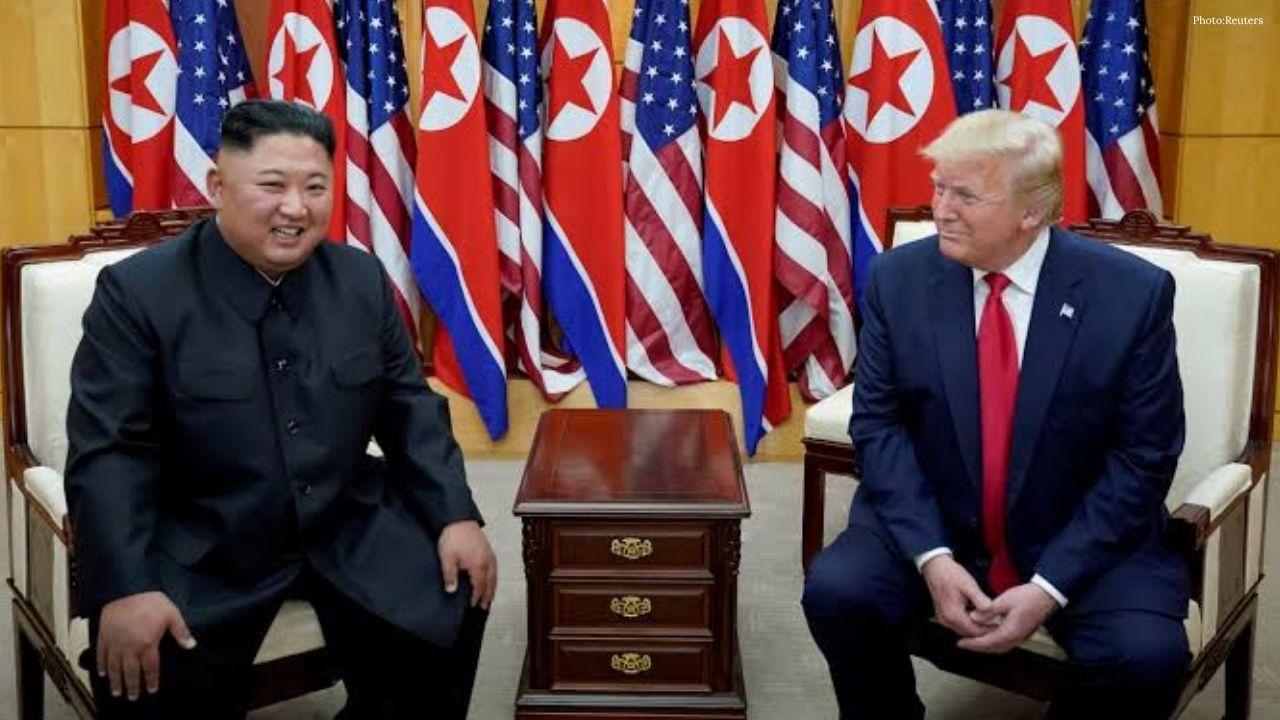
North Korea-US Summit Possible Anytime, Seoul Spy Agency Says
North Korea-US Summit may happen anytime as Seoul cites signs of dialogue between Trump and Kim Jong
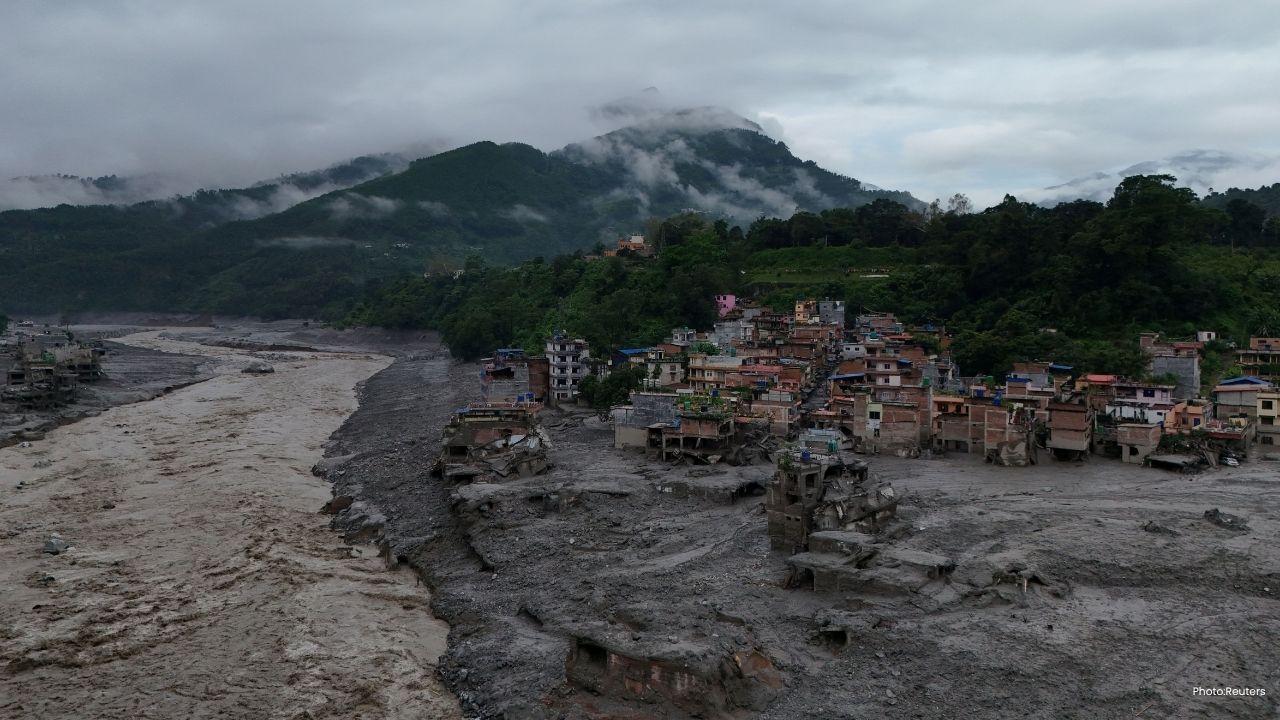
Nepal Buries Flood Victims as Search Continues for Thousands Missing
Nepal Flood Disaster leaves 919 dead and 4,793 missing. Rescue teams search tunnels while DNA testin

Pokemon World Championships 2027 to be Hosted in Singapore in August
Pokemon World Championships 2027 will be held in Singapore from Aug 13-15, featuring Pokemon Go, VGC