You have not yet added any article to your bookmarks!
Join 10k+ people to get notified about new posts, news and tips.
Do not worry we don't spam!

Post by : Badri Ariffin
As the year draws to a close, stock market participants find themselves in a state of apprehension, grappling with uncertainty surrounding Federal Reserve rate cuts and anxiety over whether the artificial intelligence surge has inflated valuations excessively. Although Friday saw a minor recovery on Wall Street, it failed to counterbalance the significant losses experienced throughout the week.
By the end of trading on Friday, the S&P 500 had dropped nearly 4% from its record high in late October, while the tech-centric Nasdaq suffered a 7% decline— marking one of the most substantial retreats in recent months. What had been a robust rally since April—driven by optimism around AI and anticipated steady rate cuts—has shifted towards a more cautious approach.
Volatility made a pronounced comeback this week. Both the S&P 500 and Nasdaq recorded their largest intraday fluctuations since April's tariff announcements sent shockwaves through global markets. The Cboe Volatility Index (VIX) remained above the significant 20 threshold, indicating ongoing anxiety, while the flattening of the VIX futures curve suggests that bumpy trading conditions may persist.
This downturn follows a significant 38% surge from April’s lows, which had propelled valuations to near multiyear peaks. Despite the recent pullback, the S&P 500’s forward price-to-earnings ratio is still at a lofty 21.8, surpassing its 10-year average of 18.8 and reflecting elevated expectations amid increasing skepticism.
Retail investors, who previously jumped in during market dips, seem more reserved now. Analysts highlighted that while they did not instigate the selloff, their usual enthusiasm appears notably diminished.
The looming December Federal Reserve meeting is a significant concern for the markets. A rate cut that once looked almost assured is now uncertain. Data released on Thursday showed mixed signals regarding employment: there was strong hiring but also the highest unemployment rate seen in four years. Market speculation regarding a December rate cut was about even by week’s close.
Tech stocks were particularly affected this week, with notable names that benefitted from the AI boom, including Oracle and Palantir, experiencing steep declines. Even Nvidia’s strong quarterly performance couldn’t calm frayed nerves; the chipmaker’s stock tumbled the day after its earnings report, highlighting the jittery nature of investors.
However, not all indicators are negatively skewed. Historically, December has been one of the strongest months for U.S. equities, usually yielding gains following a lackluster November. Some portfolio managers believe the recent decline may open up selective opportunities in sectors that had become overpriced earlier in the year.
As the holiday season approaches, the sentiment on Wall Street is a careful blend of wariness and patience. Investors are keeping a close eye on the Fed, monitoring shifts driven by AI technology, and preparing for a potentially turbulent market ahead as the search for clarity continues.

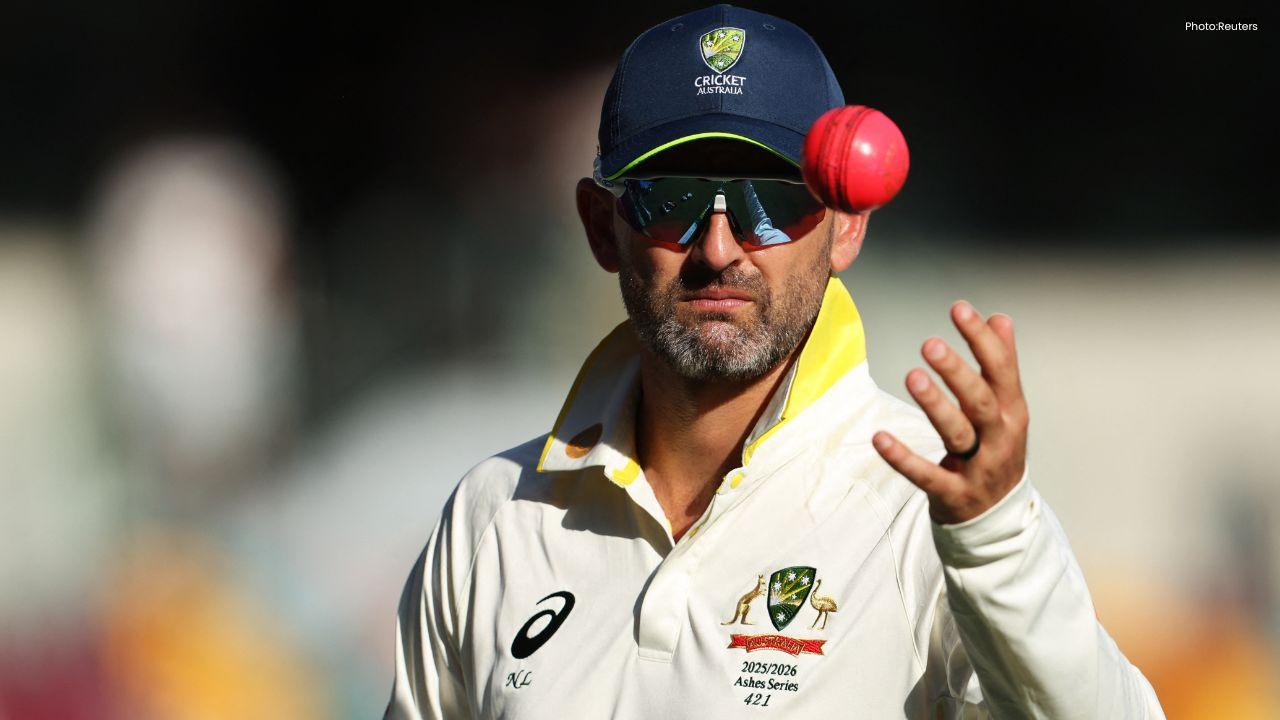








Hyundai raises profit target, expands hybrid lineup in the US
Hyundai hybrid cars get a major boost as the automaker raises its profit margin target and plans new

Josh Kerr and Jakob Ingebrigtsen Set for 1,500m Rivalry Rematch
Josh Kerr and Jakob Ingebrigtsen will renew their 1,500m rivalry at the Ultimate Championship in Bud

PSG Coach Luis Enrique Urges Players to Step Outside Comfort Zone
PSG coach Luis Enrique says players must leave their comfort zone and keep improving as the club tar

China’s Tiangong Sets New 400m Record at Robot Olympics
China’s Tiangong robot sets a new 400m record at the Robot Olympics, beating a South African robot i
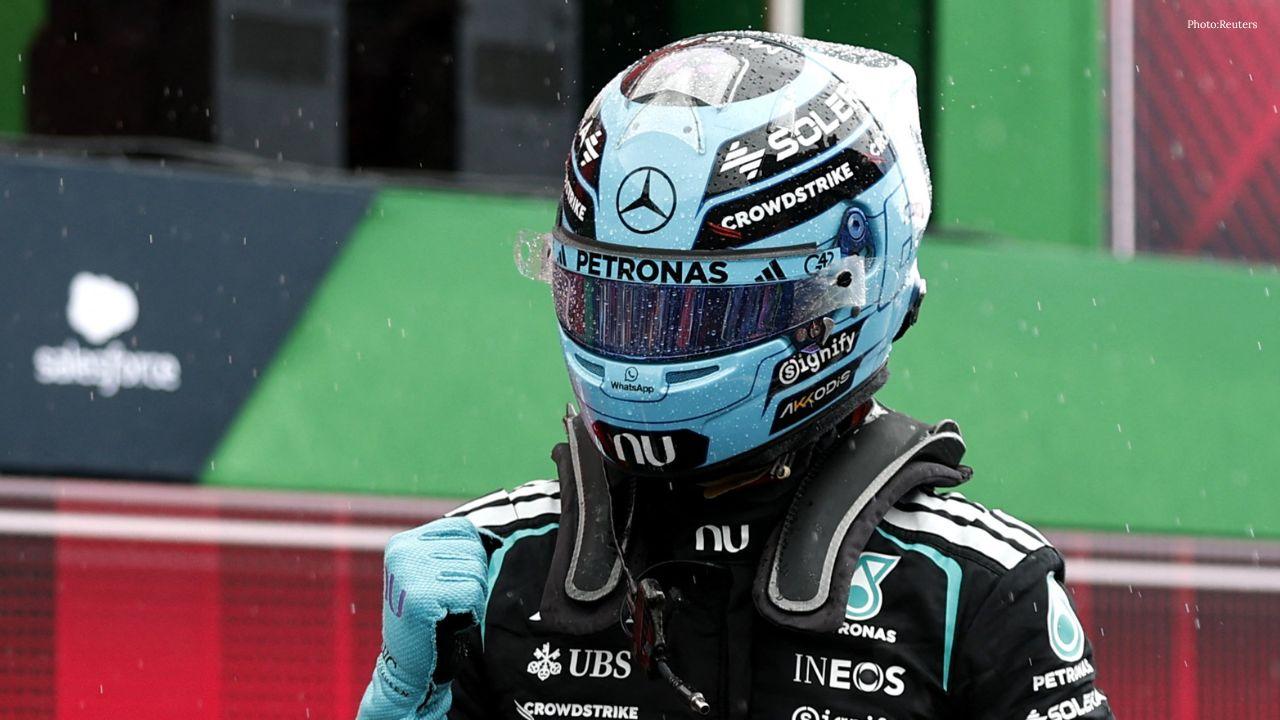
George Russell Wins Dutch GP Sprint, Boosts Mercedes Morale
George Russell wins the Dutch GP Sprint from pole as Mercedes teammate Kimi Antonelli extends his F1
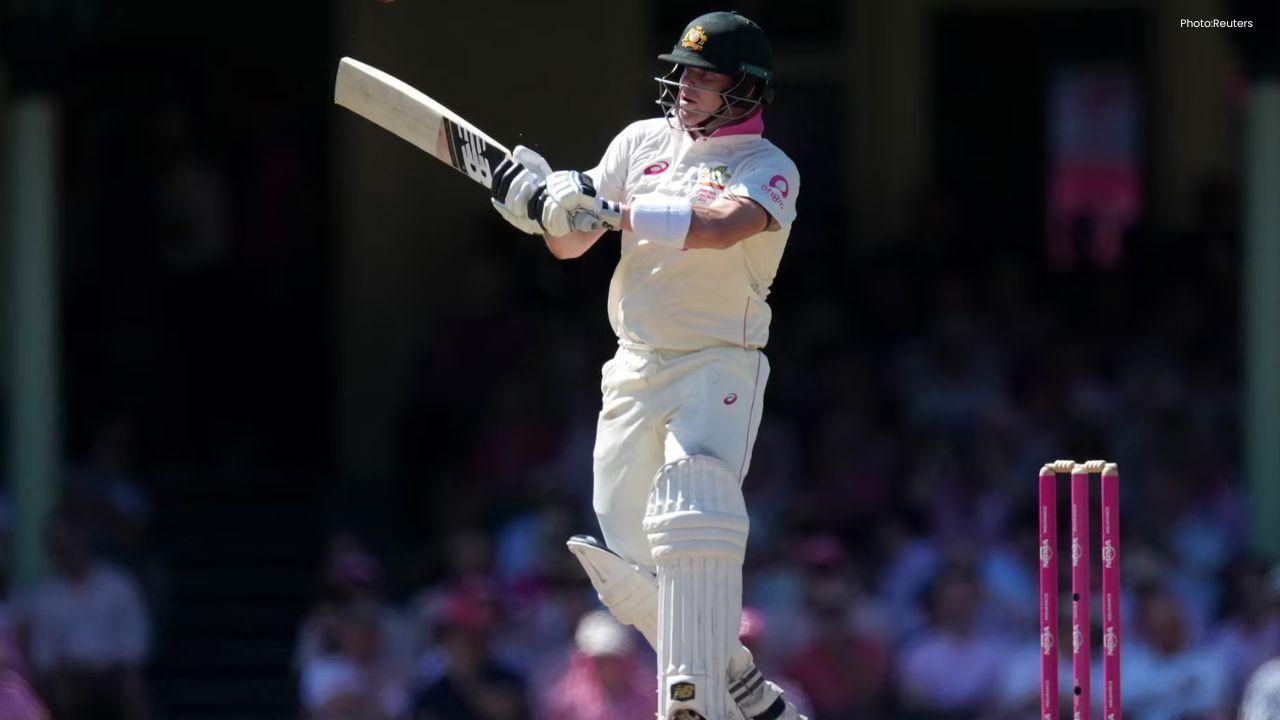
Australia 50/3 After Bangladesh Bowled Out for 64 in Second Test
Australia reached 50/3 after Bangladesh were bowled out for 64 in the second Test, with Mitchell Sta