
You have not yet added any article to your bookmarks!
Join 10k+ people to get notified about new posts, news and tips.
Do not worry we don't spam!
Post by : Mikael Ariff
High cholesterol levels are increasingly prevalent today, impacting people across different age groups. Many individuals overlook how our daily morning habits significantly influence cholesterol management. Mornings are crucial as the body transitions to an active state, making it an ideal time to adopt heart-friendly routines.
No need for expensive supplements or strenuous exercises to maintain healthy cholesterol levels. Simple, manageable morning practices can yield sustainable results. These habits seamlessly fit into anyone's lifestyle.
Here are some natural morning habits that promote heart health and gradually lower cholesterol levels.
Drinking warm water upon waking is a simple yet powerful way to aid digestion. It helps cleanse the body and boosts circulation.
Benefits of warm water:
Helps dissolve stored fat
Promotes efficient digestion
Prevents harmful cholesterol accumulation
Kicks your metabolism into gear
This small change can set a positive tone for the day and enhance digestive comfort.
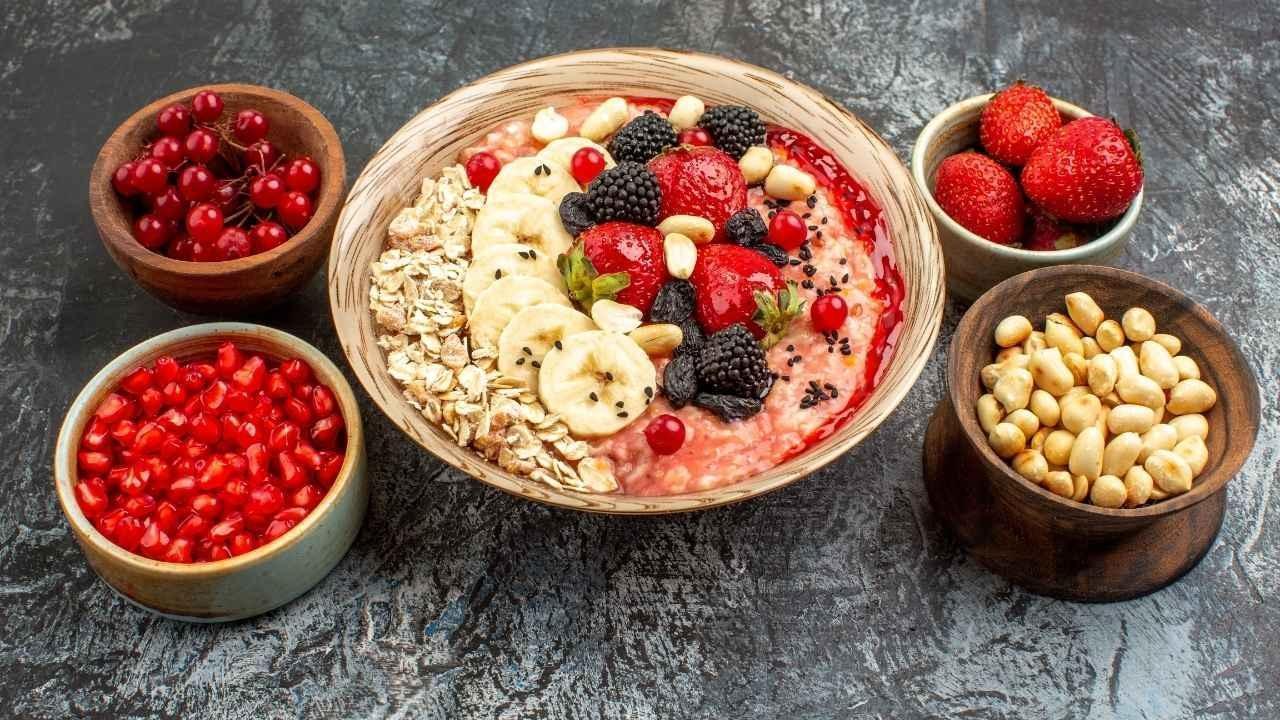
Your breakfast significantly impacts cholesterol levels. High-fiber foods help lower bad cholesterol (LDL) by slowing down its absorption.
Healthy fiber-rich breakfast choices include:
Oats
Whole-grain toast with peanut butter
Apples or bananas
Chia seeds or flaxseeds
Almonds or walnuts
These options can satisfy hunger and support heart health without unhealthy fats.
A brief morning stroll is one of the easiest ways to promote heart health. No need for a vigorous pace; even a 20–30 minute gentle walk can be beneficial.
Advantages of morning walks:
Reduces bad cholesterol
Boosts good cholesterol
Enhances blood circulation
Aides in weight control
Mitigates stress
Walking outdoors provides fresh air and sunlight, uplifting your mood and energy.
Many individuals wake up to sugar-laden tea or coffee. While tasty, these can lead to calorie spikes and affect cholesterol negatively.
Consider swapping for green tea, ginger tea, mint tea, or warm lemon water.
Benefits of herbal beverages:
Rich in antioxidants
Helps decrease bad cholesterol
Aids digestion
Facilitates fat burning
Opting for herbal brews intermittently can make a considerable difference.
Elevated stress levels can be a hidden factor contributing to increased cholesterol. Stress leads to hormonal changes that disrupt fat processing.
Starting your day with mindfulness can help maintain balanced cholesterol levels.
Deep breathing benefits:
Reduces stress
Enhances oxygen supply
Improves cardiac function
Helps maintain focus and tranquility
Just five minutes of intentional breathing can help you feel lighter and more at ease.
Fruits are excellent sources of vitamins, antioxidants, and soluble fiber, all of which can support natural cholesterol reduction. Eating fruit in the morning gives you a clean energy boost without excess fats.
Fruits beneficial for cholesterol:
Apples
Berries
Grapes
Papaya
Oranges
These fruits aid in digestive health and keep arteries clear.
Heavy, oily breakfast options can overburden your digestive system and may lead to higher cholesterol levels over time.
Opt for breakfast that is:
Light
Easy to digest
High in fiber
Protein-rich
Good alternatives include eggs, oatmeal, fruit bowls, nuts, or yogurt.
Proper hydration supports healthy blood circulation and liver function, crucial for cholesterol management. Instead of gulping large amounts, sip a little water throughout the morning.
Hydration aids in fat breakdown and enhances overall digestion.
Your morning decisions have a lasting impact on your body throughout the day. By promoting digestion, managing stress, and enhancing circulation early on, you can naturally improve cholesterol levels. While appearing simple, consistent adherence to these habits can yield strong benefits.
1. When can I expect to see results?
Typically within 4-8 weeks with consistent practice of these habits.
2. Can these practices replace medication?
No. They should complement but not substitute prescribed treatments.
3. Is a morning walk essential?
Yes, it significantly benefits cardiovascular health.
4. Which fruit is most effective at lowering cholesterol?
Apples, grapes, oranges, and berries.
5. Does skipping breakfast have a negative effect?
Yes, it may slow metabolism and disrupt cholesterol balance.
Reducing cholesterol doesn’t always require drastic changes. Small morning habits—like drinking warm water, consuming fiber-rich foods, walking regularly, staying hydrated, and managing stress—can successfully support heart health. When integrated into daily routines, they help sustain healthy cholesterol levels and improve overall wellness.
The content in this article is intended for informational purposes only and should not be substituted for medical advice. Cholesterol levels and health conditions vary by individual. Readers with health concerns or those on medication should consult a healthcare provider before making significant dietary changes. This article offers practical lifestyle suggestions, not a replacement for medical care or guidance.










Spain's Diego Poncelet Sets Skateboarding World Speed Record
Spain's Diego Poncelet reaches 151.83 km/h in a record-breaking downhill skateboard run in Canada, s

Hyundai Recalls 94,622 US Vehicles Over Potential Fire Risk
Hyundai recalls 94,622 US vehicles over overheating seat motors. Check affected Genesis models, fire

Nvidia Pledges $250 Million for UK AI Safety Research
Nvidia will provide $250 million in computing resources over five years to support AI safety researc

Jacob Bethell Returns as England Name Squads for Australia Tour
England name ODI and T20 squads for the Australia tour, with Jacob Bethell returning from injury and

Beauden Barrett Opens Up About Mental Struggles During All Blacks Exile
Beauden Barrett discusses his confidence struggles after missing six tests, his return against Austr

IMF Says AI Investment Supports Global Growth Despite Energy Shock
IMF says AI investment is supporting global growth near 3%, with Asian economies benefiting from ris

