You have not yet added any article to your bookmarks!
Join 10k+ people to get notified about new posts, news and tips.
Do not worry we don't spam!
Post by : Meena Ariff
Mumbai is once again struggling under the weight of heavy monsoon rains that have thrown the city into chaos. On August 19, the weather office issued a red alert, warning residents of intense rain spells and strong winds reaching up to 65 km per hour. This highest-level warning means the city should brace for severe conditions that could affect daily life and safety.
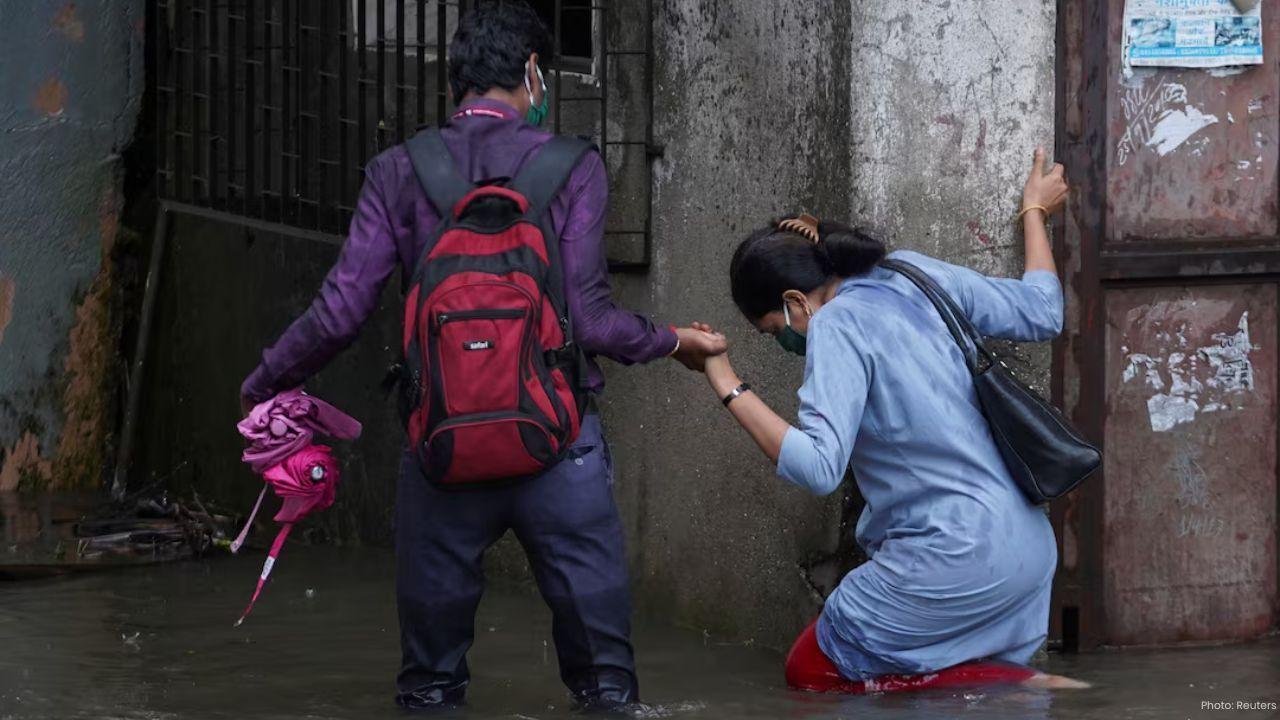
The downpour has already led to flooded roads, suspended schools and colleges, disrupted train services, and delayed flights. The city, India’s financial capital, finds itself at a standstill as waterlogged streets and transportation troubles pile up.
Record-Breaking Rainfall in August
A weather station at Santacruz in western Mumbai recorded 238.2 mm of rain in just 24 hours until the morning of August 19. This was the highest single-day rainfall in the month of August since 2020. Such extreme precipitation in a short period is a major reason behind the city’s recurring floods.
For many residents, heavy rains are not new, but the scale of waterlogging and the impact on transport and essential services highlight how fragile Mumbai becomes during intense monsoon spells.
Why Mumbai Floods So Easily
Mumbai’s geography and infrastructure make it highly vulnerable to flooding every monsoon season. The city sits on the coast, has a dense population, and puts immense pressure on its drainage system. When heavy rains arrive, stormwater often overwhelms old and strained drainage lines, leading to flooding within hours.
Experts point out that urban development, clogged storm drains, and reduced green spaces worsen the crisis. The tragic floods of 2005, which killed more than 400 people, remain a grim reminder of what unchecked rainfall can do to Mumbai.
Daily Life at a Standstill
The impact of the rains has been felt across all sectors.
Flights and Trains: India’s largest airline reported operational difficulties due to the weather, causing delays in both arrivals and departures. Many passengers were stranded at airports for hours. Suburban train services, considered Mumbai’s lifeline, also faced delays and suspensions.
Schools and Colleges: The Brihanmumbai Municipal Corporation ordered all schools and colleges to remain closed, prioritizing the safety of students.
Road Transport: Major roads, including arterial routes that connect suburbs with business districts, were waterlogged, making it almost impossible for commuters to travel.
Residents also faced challenges in accessing essential goods, with deliveries slowed down and markets operating at a reduced pace.
Financial Hub Under Pressure
Mumbai is not just India’s largest city; it is also the nation’s financial capital. The central bank, major stock exchanges, and headquarters of companies like Reliance Industries and Tata Group are all based here. Heavy rains disrupt not just daily routines but also economic activities, causing delays in financial operations and business meetings.
Although most financial institutions have adapted to remote working since the pandemic, the rains still create logistical hurdles for employees, traders, and service providers.
Monsoon’s Wider Impact Across Asia
The current monsoon season has not spared other parts of Asia either. In India and Pakistan, flash floods have already taken lives and displaced families. Southern China and Hong Kong have also faced repeated heavy downpours in August. These extreme weather events show how vulnerable large cities are becoming to climate-driven rainfall patterns.
Lessons from Past Disasters
Mumbai has faced several devastating floods in the past. The most severe in recent memory was in July 2005, when more than 944 mm of rain fell in a single day, killing over 400 people and leaving thousands stranded. That disaster exposed the city’s weak infrastructure and lack of preparedness.
Since then, authorities have tried to improve drainage systems and issue quicker warnings. Yet, even in 2025, the same challenges resurface: clogged drains, waterlogged streets, and stranded citizens.
Voices from the Ground
Residents have expressed frustration at the lack of proper planning. Many complain that despite promises of flood-control projects, very little has changed in reality. Office workers find themselves unable to reach workplaces, while parents worry about their children’s safety. For low-income residents living in slums, the problem is worse, as homes made of temporary materials are often flooded, forcing families to seek shelter elsewhere.
A commuter stuck at Dadar station said, “Every year it is the same story. One day of heavy rain and the city comes to a stop. We need better drainage and more planning, not just warnings.”
Government and Civic Response
The city administration has deployed rescue teams to clear waterlogged areas and assist stranded residents. Pumping stations are working around the clock to drain excess water. Traffic police have been stationed at key junctions to guide vehicles and prevent accidents in waterlogged zones.
Officials have urged residents to stay indoors unless necessary and to avoid flooded roads. Hospitals have also been put on alert in case of waterborne diseases, which often rise after flooding.
Climate Change and Future Risks
Experts warn that climate change is making extreme rainfall events more common. Rising sea levels, combined with heavier rains, pose a long-term risk to Mumbai’s coastal neighborhoods. If measures such as better drainage, stricter construction rules, and flood-resistant infrastructure are not adopted, the city could face even more dangerous situations in the coming decades.
A City That Refuses to Stop
Despite these challenges, Mumbai is known for its resilience. Residents often step up to help each other, offering food, shelter, and support during difficult times. Social media platforms were flooded with posts of citizens sharing updates on waterlogging, traffic jams, and safe routes. Volunteers distributed drinking water and food packets to stranded commuters.
The spirit of Mumbai shines in moments of crisis, but experts caution that resilience alone cannot be the solution. Long-term planning and investment in infrastructure are urgently required to ensure the city can survive future monsoons without grinding to a halt.
The recent heavy rains in Mumbai once again highlight the city’s vulnerability to flooding and transport chaos. With record-breaking rainfall, disrupted flights, halted trains, and closed schools, life in the city has slowed down dramatically. While emergency measures and civic efforts help in the short term, the larger issue remains: Mumbai needs stronger infrastructure, smarter urban planning, and climate resilience. Otherwise, every monsoon will continue to turn into a season of crisis.




Lamborghini Catches Fire on Singapore's ECP, Causing Heavy Traffic
A Lamborghini caught fire on Singapore's ECP, causing heavy traffic and bus delays. No injuries were

Bangkok Airport Duty-Free Area Flooded by Pipe Burst
A burst water pipe flooded the duty-free shopping area at Bangkok's Suvarnabhumi Airport on July 16,
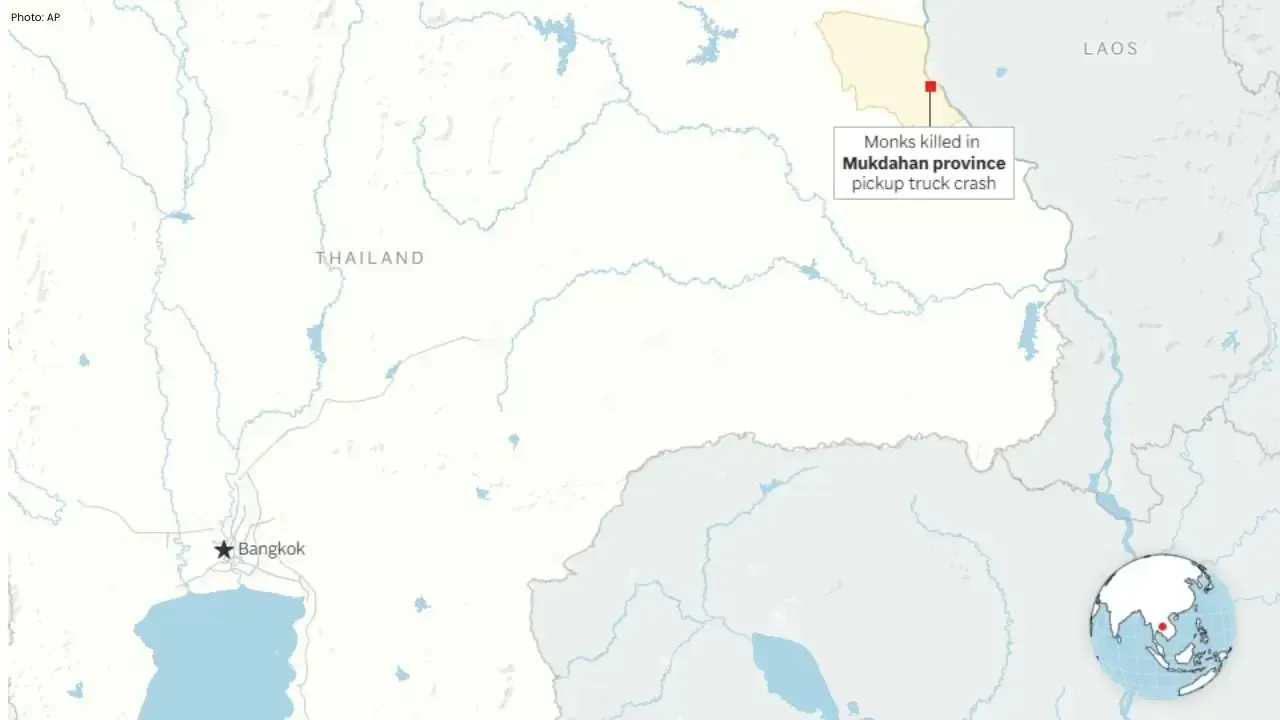
Nine Monks Killed in Thailand Pickup Truck Tragedy
An 11-year-old boy driving a pickup truck crashed into monks during a pilgrimage in northeastern Tha
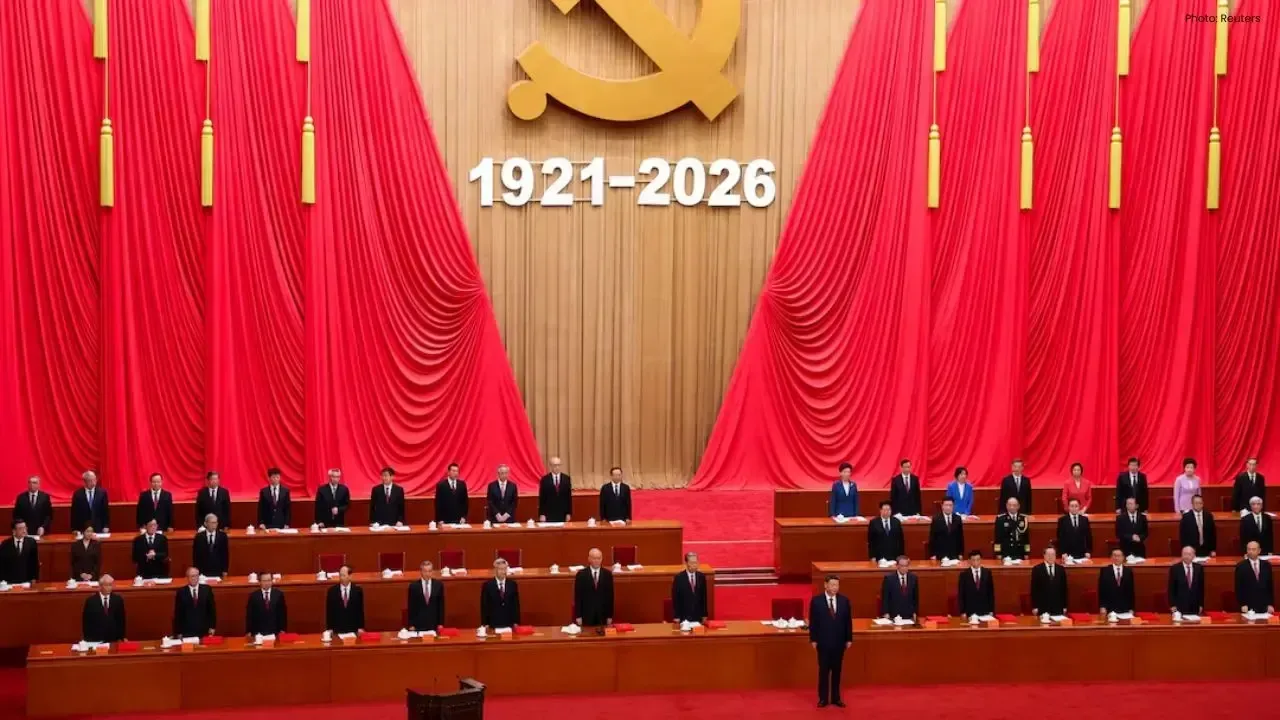
Anwar Congratulates Xi on CPC's 105th Anniversary
Malaysia reaffirms strong ties with China as PM Anwar Ibrahim sends a congratulatory letter to Presi
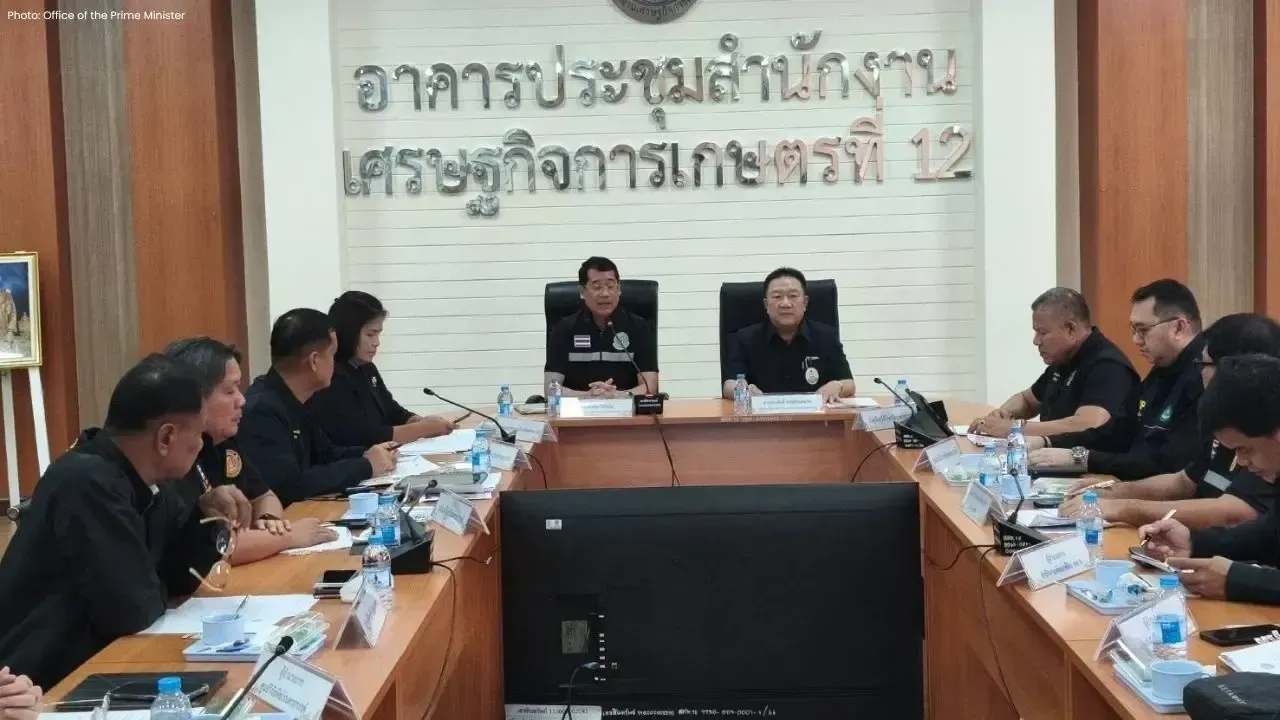
Thai Agriculture Team Reviews 2026 Farm Development Plans
Agriculture Ministry officials inspected livestock and organic rice projects in Nakhon Sawan to moni

Thailand, Canada Boost Ties in PM-Level Phone Talks
Thailand and Canada agreed to strengthen trade, security, OECD cooperation and ASEAN-Canada FTA talk