You have not yet added any article to your bookmarks!
Join 10k+ people to get notified about new posts, news and tips.
Do not worry we don't spam!
Post by : Saif Rahman
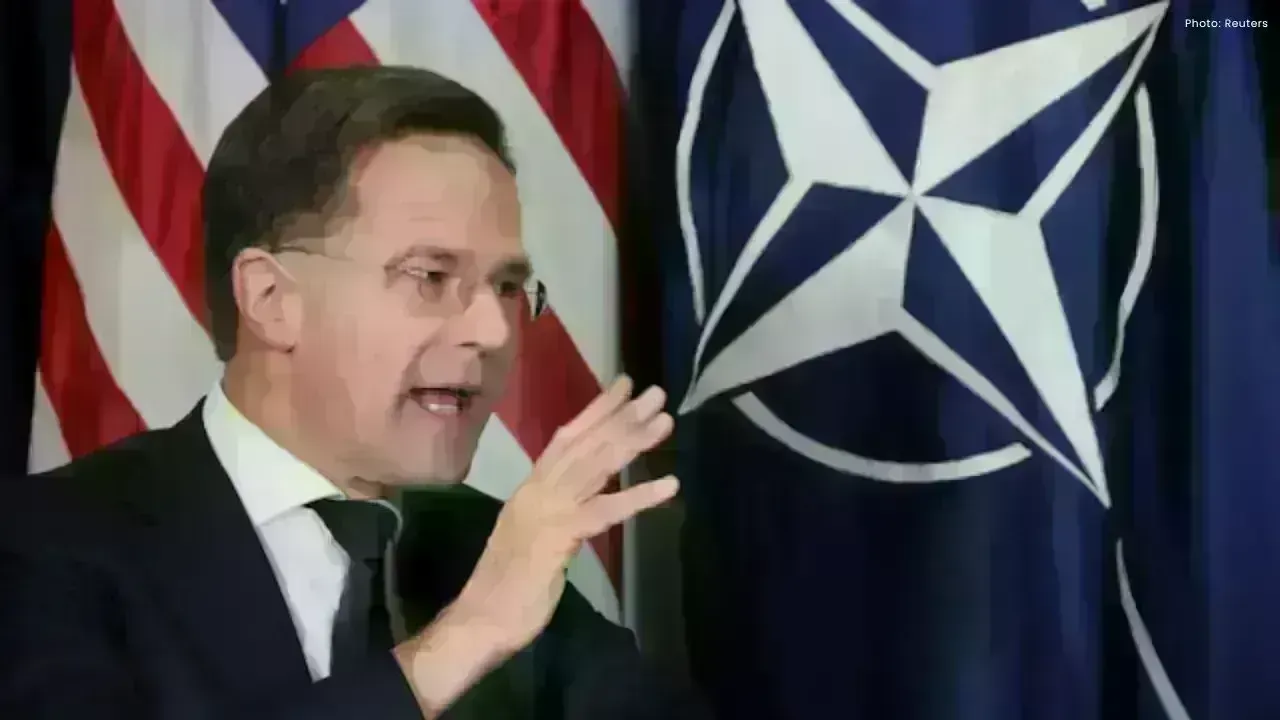
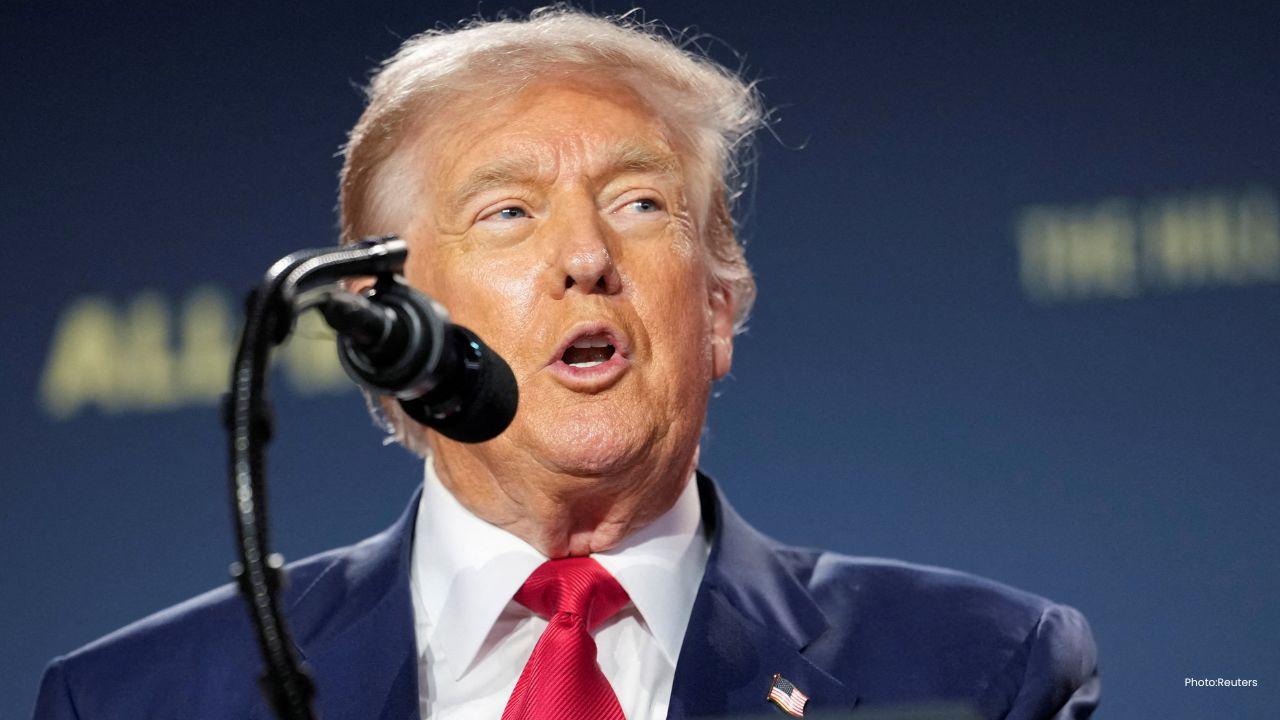
NATO Secretary General Mark Rutte reported that his recent discussions with U.S. President Donald Trump prominently featured the need to safeguard the Arctic from the increasing grasp of Russia and China. During the World Economic Forum in Davos, Switzerland, Rutte articulated that Arctic security has surged in importance for NATO, with global powers taking a keen interest in the region's strategic significance, natural resources, and shipping routes.
The melting ice in the Arctic is creating more accessible sea routes connecting Asia, Europe, and North America, while also exposing vast mineral and energy resources. This shift has led NATO leaders to express heightened concern about who holds sway over this pivotal area. Rutte mentioned that their talks delved into collaborative efforts among NATO countries to protect the Arctic and curb the ambitions of competing nations.
Discussions also encompassed Greenland, a territory of Denmark that has attracted significant attention following President Trump's public notion of its potential acquisition for national security. Despite initial tensions within NATO, Trump later dismissed the idea of force and instead, hinted that a diplomatic solution could be arranged. This approach alleviated concerns among allies, particularly Denmark.
Rutte highlighted that NATO's strategy isn't centered solely on Greenland; seven member states possess land within the Arctic, each having a part in ensuring regional stability and security. He noted that upcoming talks will expand on previous meetings held in Washington involving U.S. officials and delegations from both Denmark and Greenland.
A primary takeaway from the Davos discussions was the collective ambition to keep both China and Russia out of Greenland’s economic and military domains. Rutte mentioned NATO’s commitment to preventing either nation from acquiring footholds that could jeopardize regional or global security, which entails limiting foreign participation in aspects such as infrastructure, investments, and defense-related operations.
China has firmly denied accusations regarding its military threats in the Arctic, asserting that its activities are concentrated on scientific research and commercial navigation in accordance with international regulations. Chinese state media contend that Western nations are amplifying fears regarding China’s presence without substantiation. They underscore that China has never deployed military forces in the Arctic.
Conversely, China has ramped up its commercial endeavors in the region. A notable milestone occurred last October when a Chinese container vessel successfully navigated Arctic waters to Europe, significantly reducing delivery durations. Beijing portrays these maritime routes as part of its broader trade initiatives rather than military expansion.
Despite these claims, NATO countries maintain an air of vigilance. In July 2024, tensions escalated when fighter jets from the United States and Canada were dispatched following joint patrols by Chinese and Russian nuclear-capable bombers near Alaska, sparking concerns over potential military collaboration between Moscow and Beijing in Arctic territories.
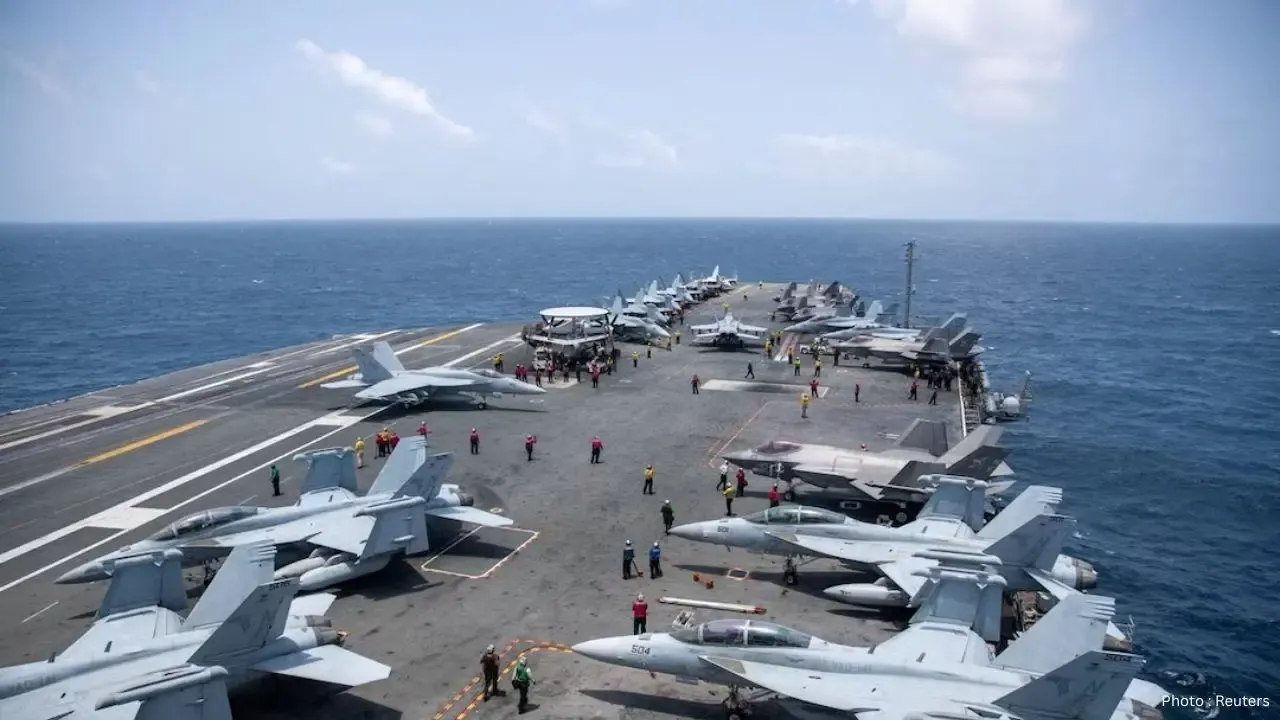
Russia, which has historically established a robust Arctic presence, is actively enhancing its military infrastructure in the region. NATO perceives this development as a pressing reason for reinforcing cooperation among its members, believing that proactive measures are essential to avert future conflicts.
Rutte emphasized that NATO’s intent is not to incite conflict but to uphold peace and stability in the Arctic by fostering teamwork among allies and defining clear guidelines. The organization aims to ensure that the Arctic remains secure and is governed by international norms rather than power rivalry.
With global competition shifting northward, the Arctic is being redefined as a crucial player for security, trade, and diplomacy. The engagements between NATO and President Trump highlight that Western leaders are recognizing this transformation and gearing up for enduring challenges in the region.






George Russell Wins Dutch GP Sprint, Boosts Mercedes Morale
George Russell wins the Dutch GP Sprint from pole as Mercedes teammate Kimi Antonelli extends his F1

Australia 50/3 After Bangladesh Bowled Out for 64 in Second Test
Australia reached 50/3 after Bangladesh were bowled out for 64 in the second Test, with Mitchell Sta

Jordan Burroughs Returns to Wrestling with 2028 Olympic Dream
Jordan Burroughs returns to wrestling with Real American Freestyle as the Olympic champion eyes a po

Lamborghini Catches Fire on Singapore's ECP, Causing Heavy Traffic
A Lamborghini caught fire on Singapore's ECP, causing heavy traffic and bus delays. No injuries were

Bangkok Airport Duty-Free Area Flooded by Pipe Burst
A burst water pipe flooded the duty-free shopping area at Bangkok's Suvarnabhumi Airport on July 16,
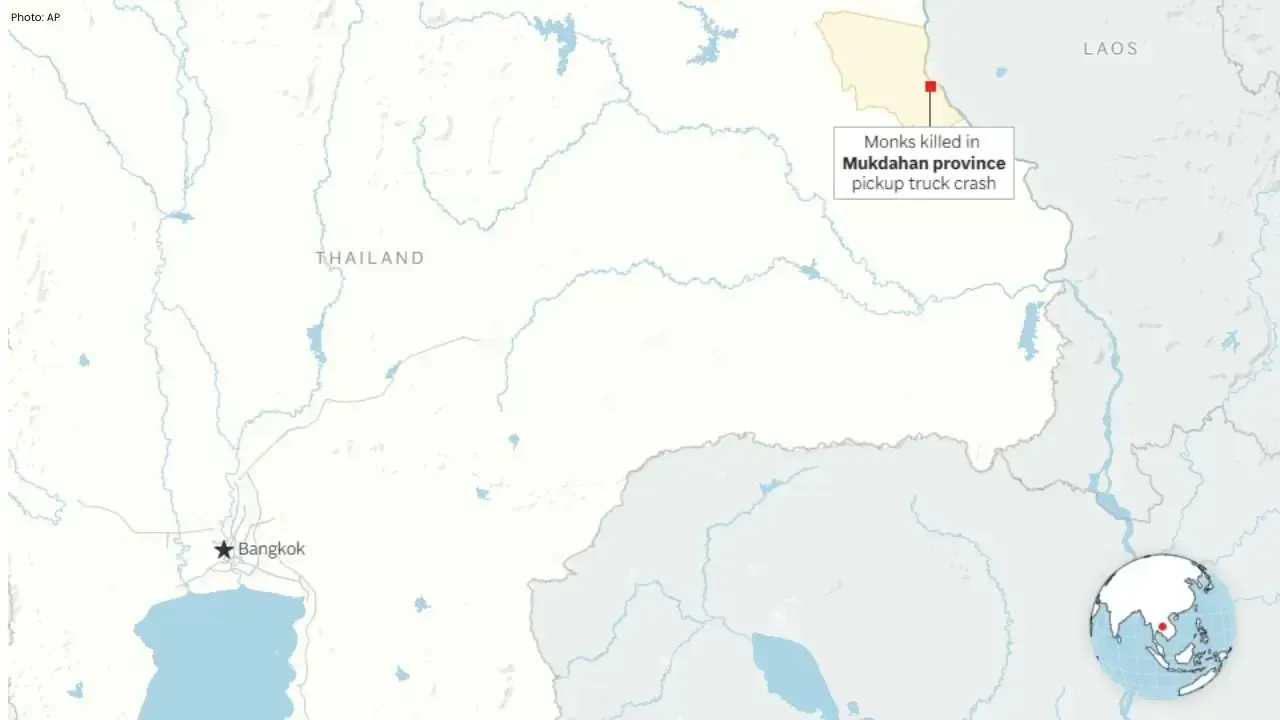
Nine Monks Killed in Thailand Pickup Truck Tragedy
An 11-year-old boy driving a pickup truck crashed into monks during a pilgrimage in northeastern Tha