
You have not yet added any article to your bookmarks!
Join 10k+ people to get notified about new posts, news and tips.
Do not worry we don't spam!
Post by : Shweta
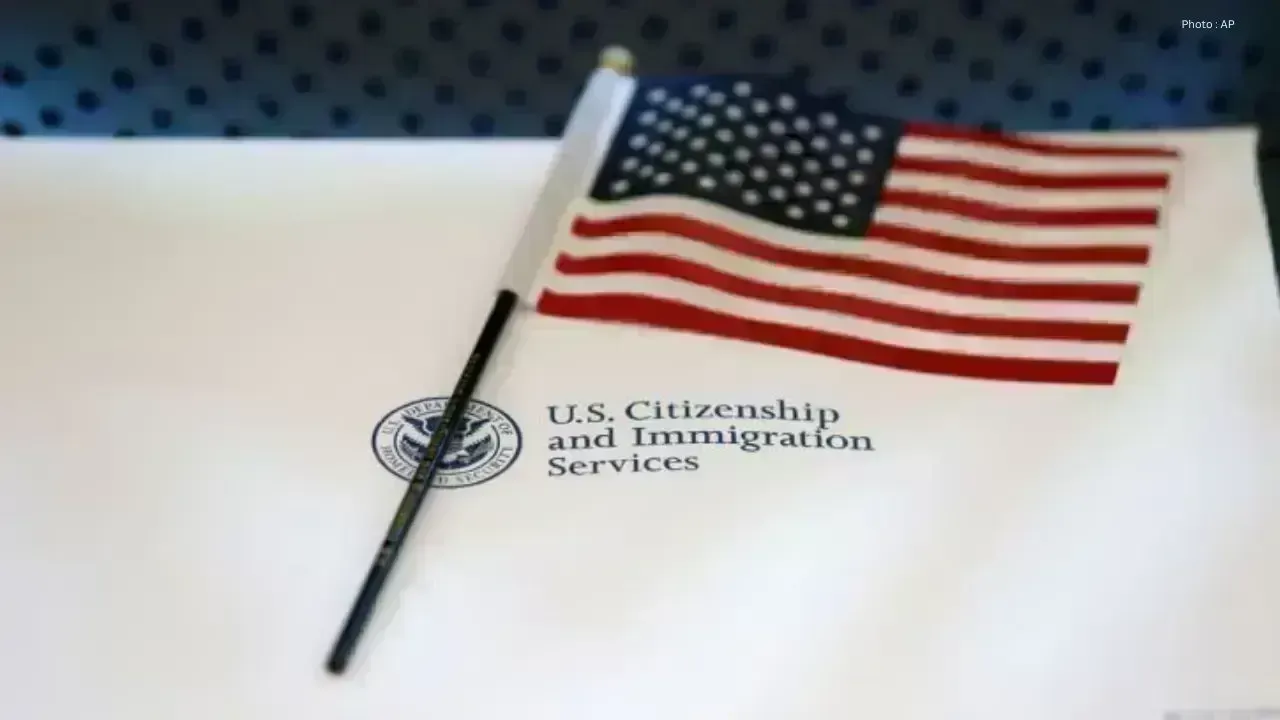
The Trump administration has unveiled significant modifications to the immigration framework in the United States, potentially impacting countless foreign nationals residing within its borders. Under this revised policy, numerous individuals pursuing permanent residency—widely known as green cards—will now be obliged to depart the U.S. and finalize their applications from their home nations. This marks a pivotal immigration reform during Donald Trump’s second presidential term.
The updated guidelines from the U.S. Citizenship and Immigration Services (USCIS) indicate that only those facing “extraordinary situations” will be permitted to seek green cards while remaining in the U.S. Typically, candidates on temporary visas, such as H-1B, student, and tourist visas, must return to their home countries and undergo interviews at U.S. consulates prior to receiving approval for permanent residency.
U.S. immigration authorities have stated that the intent of this policy is to restore what the administration views as the “original purpose” of immigration law. USCIS spokesperson Zach Kahler mentioned that temporary visas were intended for limited visits and should not automatically lead to permanent residency. Officials assert that the change could mitigate visa overstays and bolster immigration enforcement nationwide.
This policy could greatly affect a vast number of skilled foreign laborers, international scholars, and family-based applicants who are currently residing legally in the U.S. Immigration attorneys and advocacy organizations caution that this shift may result in prolonged family separations, as green card processing at U.S. embassies and consulates can take several months or even years. Experts point out that individuals departing the U.S. after overstaying their visas may encounter challenges re-entering the country due to prevailing immigration regulations.
Reports suggest that the administration may still contemplate exceptions for applicants whose circumstances provide substantial economic advantages to the U.S. or align with national interests. Nonetheless, officials have yet to delineate who might qualify for these exemptions. This ambiguity has raised concerns among employers, particularly in sectors like technology and healthcare that heavily rely on foreign talent.
The news has sparked intense responses from immigration advocates, business leaders, and political adversaries. Critics contend that this decision could adversely affect the U.S. economy by discouraging talented workers from remaining in the country. Conversely, advocates of the policy argue that it fortifies immigration controls and ensures that visa holders adhere to proper legal procedures.
The new immigration regulations are also expected to face judicial scrutiny in U.S. courts soon. Immigration experts predict that these changes could markedly alter the green card system, introducing significant uncertainty for numerous families and workers awaiting approval for permanent residency in the United States.










PM Modi Pays Tribute to Mahatma Gandhi, Urges People to Support Khadi
PM Modi pays tribute to Mahatma Gandhi on Gandhi Jayanti and urges citizens to support Khadi and the

Amazon Seeks to Offload $8 Billion in Nvidia Chips to Investors
Amazon plans to move $8 billion in Nvidia chips to investors, using a new financing model to strengt

Samsung Raises Galaxy S26 Prices as Memory Chip Costs Rise
Samsung raises Galaxy S26 prices in South Korea as rising memory chip costs put pressure on smartpho

Lewis Hamilton Calls Singapore Grand Prix One of F1's Toughest Races
Lewis Hamilton discusses the demanding Singapore Grand Prix and brings Plus44 and Almave to Singapor

Denmark's Pandora Opens World's Largest Jewellery Factory in Vietnam
Pandora opens its largest jewellery factory in Vietnam, expanding global production, strengthening s

Gautam Gambhir Questions Batting-Friendly Pitches After India's Record ODI Chase
Gautam Gambhir questions batting-friendly ODI pitches after India’s record chase, calling for a bett

