
You have not yet added any article to your bookmarks!
Join 10k+ people to get notified about new posts, news and tips.
Do not worry we don't spam!
Post by : Badri Ariffin
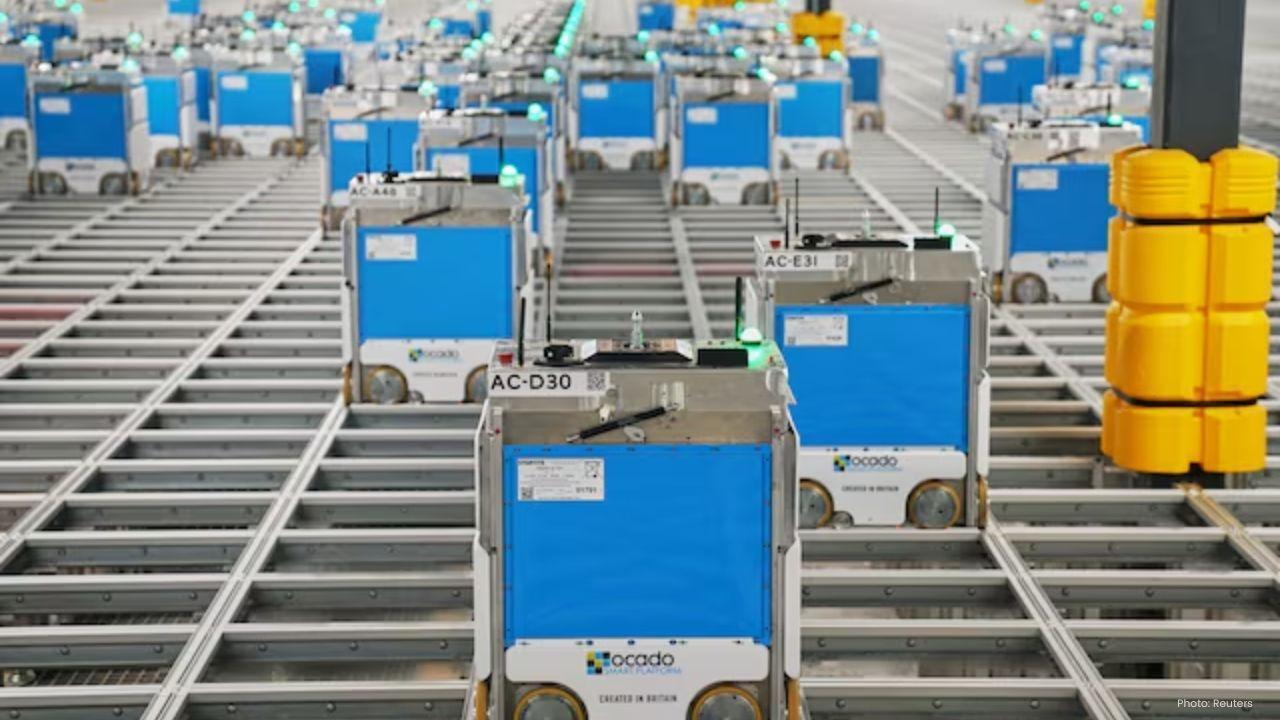
In a bold move reflecting the changing landscape of online grocery, U.S. retail giant Kroger has announced the closure of three out of eight automated warehouses built with British tech firm Ocado. The decision underscores the mounting pressure from faster delivery players like Instacart and DoorDash.
Ocado, once a pioneer in robotic warehouse technology, supplies retailers with cutting-edge systems to pick and ship online food orders. Yet, Kroger revealed that three of the warehouses did not meet financial expectations. Instead, the company plans to deepen partnerships with rapid delivery platforms that can leverage existing store networks, cutting costs while meeting the growing consumer demand for same-day deliveries.
“Consumers really want their orders fast — ideally within a couple of hours,” noted analysts, highlighting the shift in expectations that automated warehouses have struggled to meet.
While Ocado enjoyed a head start in the U.S., competitors like Instacart and DoorDash have surged ahead. Instacart’s stock has climbed more than 30% since its 2023 listing, fueled by strong quarterly results, while DoorDash shares are up 21% this year. Meanwhile, Ocado’s market value has fallen sharply, losing nearly 90% from its pandemic-era highs.
Some of Ocado’s automated facilities were located in areas where Kroger lacked a strong retail footprint, making profitability difficult. However, locations in states such as Ohio performed better, suggesting the technology can work under the right conditions.
The Kroger setback raises questions about Ocado’s ability to expand its U.S. presence, even as its global partnerships continue, including deals with Aeon in Japan, Lotte in South Korea, and Coles in Australia. Its joint venture with Marks & Spencer in the U.K. remains a rare bright spot, showing significant growth in e-commerce sales.
Experts believe Ocado’s model is most effective in dense, urban markets where multi-temperature automated distribution can reach affluent customers efficiently. Outside such areas, rapid, store-based delivery platforms appear more practical and cost-effective.
As Kroger shifts its strategy toward faster, store-supplied deliveries, the future of large-scale robotic warehouses in the U.S. grocery market faces new scrutiny, signaling a broader rethink of how automation fits into today’s high-speed e-commerce environment.










PM Modi Pays Tribute to Mahatma Gandhi, Urges People to Support Khadi
PM Modi pays tribute to Mahatma Gandhi on Gandhi Jayanti and urges citizens to support Khadi and the

Amazon Seeks to Offload $8 Billion in Nvidia Chips to Investors
Amazon plans to move $8 billion in Nvidia chips to investors, using a new financing model to strengt

Samsung Raises Galaxy S26 Prices as Memory Chip Costs Rise
Samsung raises Galaxy S26 prices in South Korea as rising memory chip costs put pressure on smartpho

Lewis Hamilton Calls Singapore Grand Prix One of F1's Toughest Races
Lewis Hamilton discusses the demanding Singapore Grand Prix and brings Plus44 and Almave to Singapor

Denmark's Pandora Opens World's Largest Jewellery Factory in Vietnam
Pandora opens its largest jewellery factory in Vietnam, expanding global production, strengthening s

Gautam Gambhir Questions Batting-Friendly Pitches After India's Record ODI Chase
Gautam Gambhir questions batting-friendly ODI pitches after India’s record chase, calling for a bett

