You have not yet added any article to your bookmarks!
Join 10k+ people to get notified about new posts, news and tips.
Do not worry we don't spam!
Post by : Rohit Dhiman
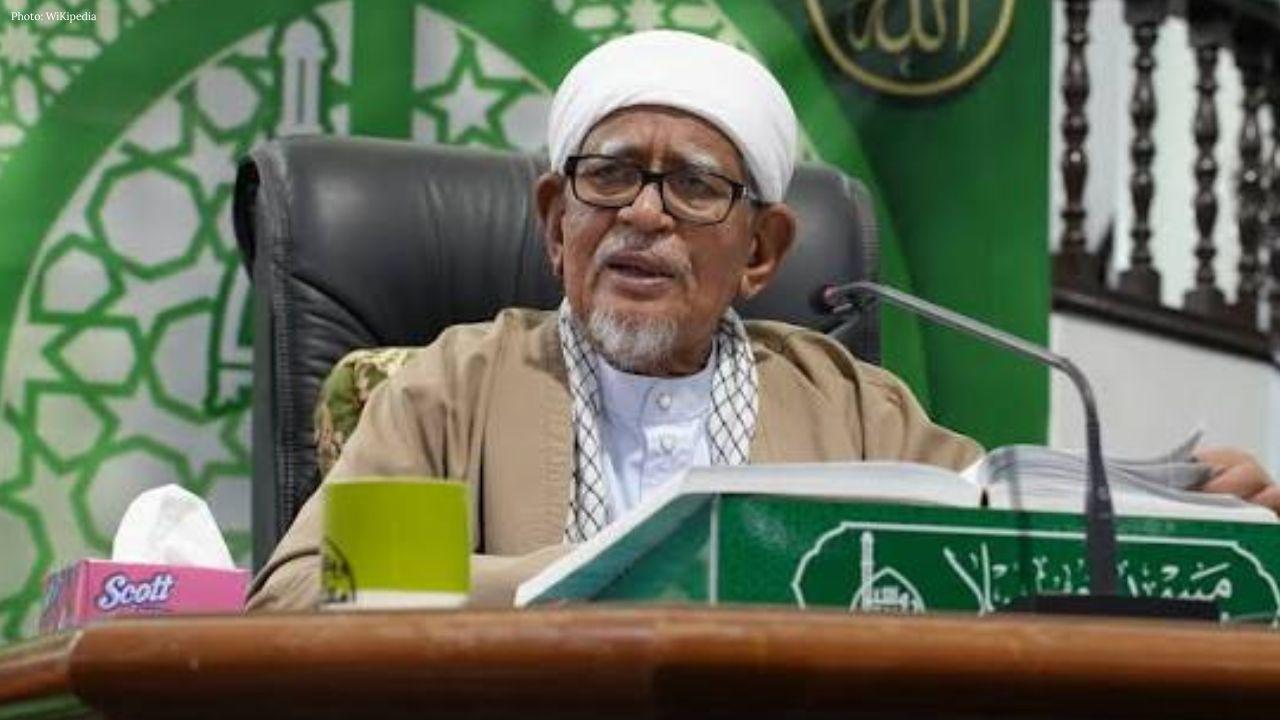
Parti Islam Se-Malaysia (PAS) president Abdul Hadi Awang has come under renewed criticism after outlining how Cabinet positions could be distributed if his party were to lead the Malaysian government. His remarks have sparked concerns among political opponents and an interfaith organisation over equality, religious representation and the constitutional structure of the country.
The latest controversy emerged in Malaysia following remarks made by Hadi during PAS’ annual congress in Kelantan on Sep 5, 2026. The PAS president said non-Muslims could serve as ministers in a government led by his party, but suggested that their responsibilities should mainly involve implementing government policies rather than determining major national policies. Hadi reportedly referred to portfolios such as Works and Forestry as examples of areas that could potentially be headed by non-Muslims. He said ministries dealing with Islamic affairs and the implementation of syariah law would need to be led by Muslims. The remarks have prompted questions about how PAS would structure the federal government if it eventually gained enough political support to form the administration.
DAP deputy secretary-general and legal bureau chairman Ramkarpal Singh strongly criticised Hadi’s position, describing the proposal as divisive and raising questions about its compatibility with Malaysia’s constitutional framework. Singh argued that Cabinet appointments should not be divided according to race or religion. He said Malaysia has historically operated with a multiracial Cabinet and maintained that citizens should be able to be considered for ministerial positions regardless of their religious or ethnic background. He also urged parties within the opposition Perikatan Nasional coalition to state clearly whether they support Hadi’s position. Singh similarly called on parties within Barisan Nasional, including UMNO, to clarify their stance because PAS and BN have recently worked together in several state-level political contests.
The Malaysian Consultative Council of Buddhism, Christianity, Hinduism, Sikhism and Taoism has also criticised Hadi’s remarks. The council linked the latest comments to previous statements by the PAS president and argued that they form part of a broader political vision that could move Malaysia towards a theocratic model of government. The group said such a system would conflict with the federal constitutional framework and could affect the principle of equal protection for citizens. It also referred to Hadi’s earlier remarks in 2018, when he reportedly discussed the possibility of having two Cabinets under a PAS administration. According to the council, one would be responsible for determining national policies while another would oversee their implementation and could include non-Muslims. The council urged Malaysians to defend the federal Constitution and called on PAS to publicly commit to respecting the constitutional system.
The latest remarks are not the first time Hadi has spoken about the possible role of non-Muslims in a PAS-led government. In 2013, he reportedly said non-Muslims could serve as ministers while suggesting that the prime minister and those responsible for determining national policies should be Muslims. Four years later, in 2017, Hadi was reported to have said that only Malay-Muslims could join the Cabinet. PAS representatives later clarified that the party's position was that certain Cabinet positions should be reserved for Malay-Muslims. Those comments also generated criticism from politicians who argued that such a division could place non-Muslim citizens in a secondary position within the political system.
Not everyone within PAS has rejected the proposal. The party’s Non-Muslim Supporters Wing has backed Hadi’s position, arguing that ministers would still have to present policy proposals to Parliament and receive feedback before major decisions were implemented. Its chief, BK Kumaresan, said the organisation had no objection to Hadi’s position and expressed confidence that a PAS-led government would treat different communities fairly. Meanwhile, Hadi’s political aide Syahir Sulaiman said the president’s remarks could be interpreted in different ways. He indicated that the division could relate to ministries dealing with core national policy areas compared with portfolios primarily concerned with implementation and public services. He also said that any Cabinet formation would have to take into account the views and agreement of relevant stakeholders.
The controversy comes shortly after Hadi separately called for the removal of laws he described as remnants of Malaysia’s colonial past. In a statement issued on Sep 9, he argued that certain laws and constitutional arrangements have restricted the wider implementation of syariah law. Among the issues he highlighted was the Syariah Courts (Criminal Jurisdiction) Act 1965, commonly known as Act 355, which limits the sentencing powers of syariah courts. Hadi also criticised the constitutional division of legislative powers between the federal and state governments, arguing that these arrangements have constrained efforts to strengthen the role of Islamic law. His latest position has added another dimension to the debate over PAS’ long-term political objectives and how the party would govern if it eventually formed the federal administration.
Read Also: Tiafoe Proud of Comeback Season Despite Shelton Semi-Final Loss
The interfaith council also referred to a 2024 Federal Court decision involving Kelantan’s syariah criminal laws. The court struck down 16 provisions after determining that the Kelantan state legislature did not have the constitutional authority to enact them. Kelantan has long been a PAS stronghold and has been governed by the party since 1990. The council cited the ruling while arguing that questions over the constitutional limits of state-level syariah legislation cannot be separated from the wider debate about PAS’ political ambitions.
The dispute comes at a politically important time for Malaysia. PAS has strengthened its position within the opposition and remains a major force in several states. At the same time, its recent cooperation with Barisan Nasional has raised questions about possible future political arrangements. PAS and BN have worked together in certain state elections, while Prime Minister Anwar Ibrahim’s Pakatan Harapan coalition has faced electoral challenges. The disagreement over Cabinet representation therefore goes beyond one political speech. It has opened a wider discussion about how religion, ethnicity, constitutional rights and political power should interact in Malaysia. For PAS, the controversy highlights the challenge of explaining how its Islamic political agenda would operate within Malaysia’s existing constitutional and multicultural framework.
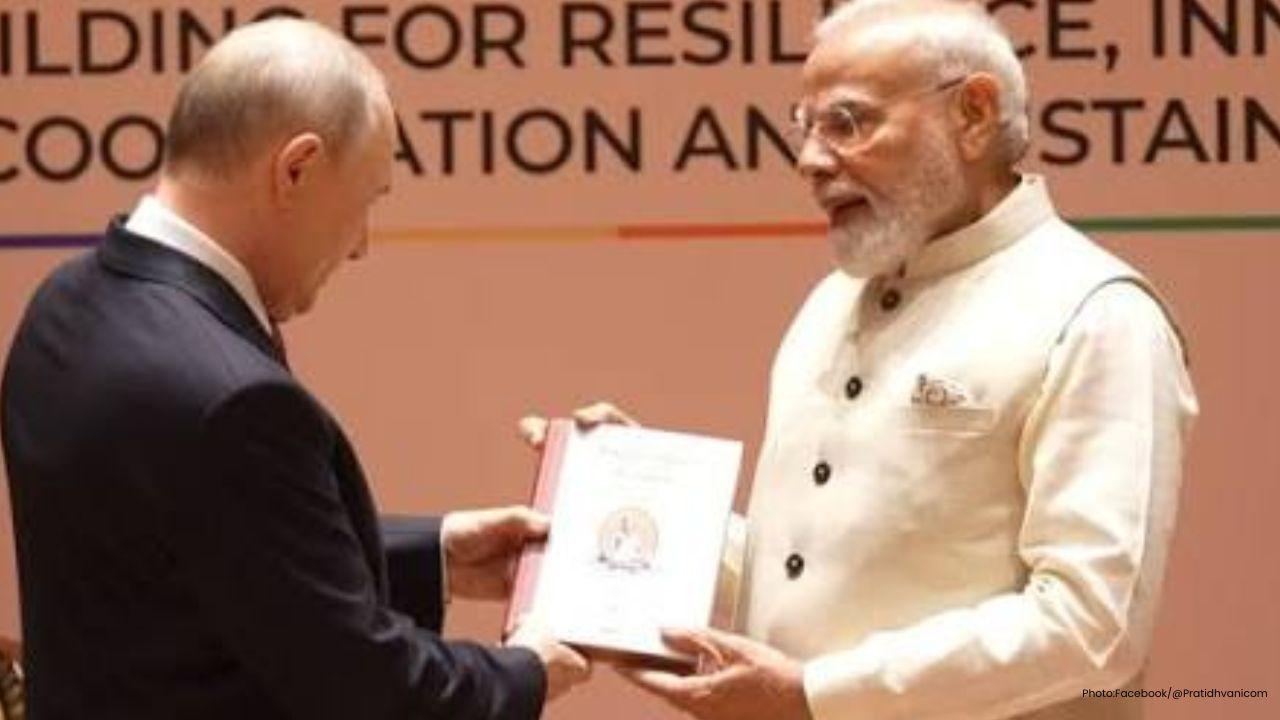
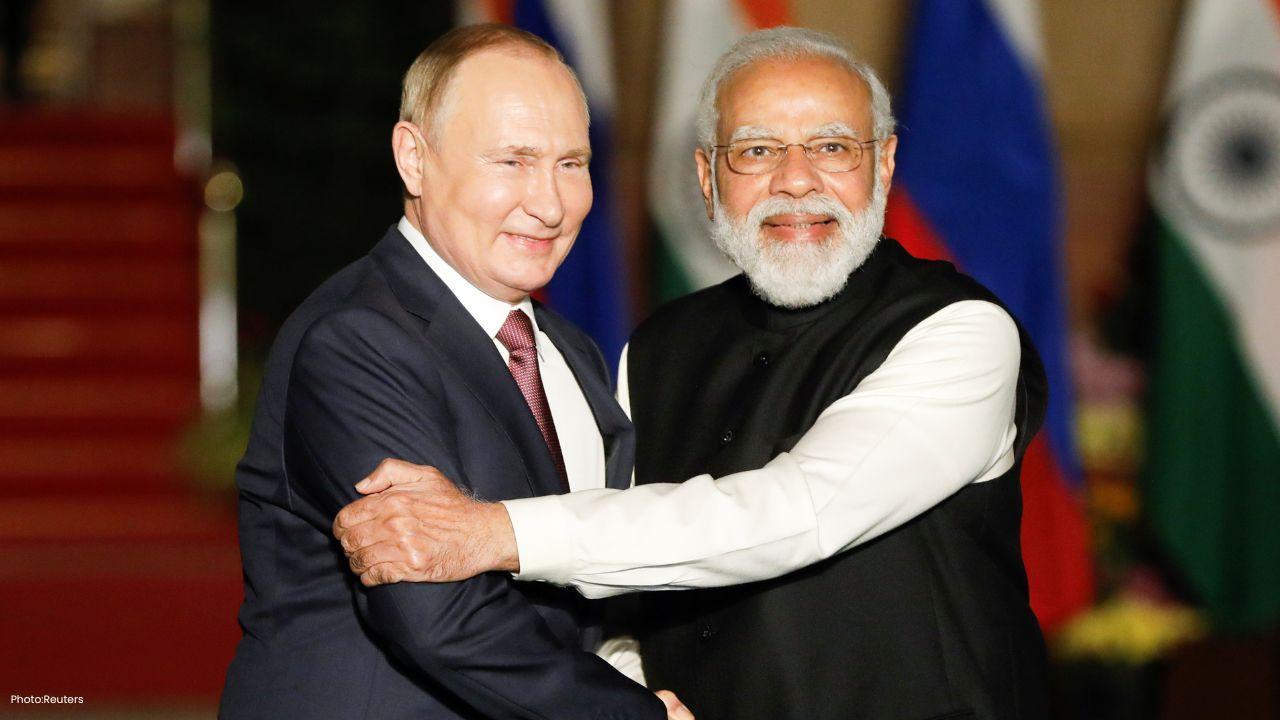






PM Modi Presents Putin Russian Translation of Thirukkural at BRICS Summit
PM Modi gifts Putin a Russian Thirukkural translation, highlighting India-Russia ties and the global

Tiafoe Proud of Comeback Season Despite Shelton Semi-Final Loss
Frances Tiafoe returns to the world top 10 after a strong US Open run, despite losing to Ben Shelton

Gauff Sees Progress Despite US Open Exit
Coco Gauff says her game is improving despite her US Open exit after a tough semifinal loss to Elena

Rybakina Avoids Pressure Ahead of US Open Final Against Sabalenka
Elena Rybakina prepares for the US Open final against Aryna Sabalenka without adding pressure as she

Najib Razak to Remain in Jail as Malaysia Pardons Board Defers Bid
Malaysia’s Najib Razak remains in prison after the Pardons Board deferred his latest pardon applicat

Singapore Haze Returns as Central Region Air Quality Turns Unhealthy
Singapore haze returns as central air quality worsens, with Singapore air quality entering the unhea