You have not yet added any article to your bookmarks!
Join 10k+ people to get notified about new posts, news and tips.
Do not worry we don't spam!
Post by : Anis Farhan
Plant-based diets are no longer a niche concept in India; they are rapidly becoming a mainstream choice for health-conscious households. Defined by meals that emphasize vegetables, fruits, legumes, nuts, seeds, and grains while limiting or excluding animal products, these diets offer nutritional, environmental, and ethical benefits.
The rise of plant-based eating is influenced by multiple factors. Increased awareness about chronic diseases such as diabetes, hypertension, and obesity motivates households to adopt healthier dietary patterns. Environmental concerns regarding meat production, water consumption, and greenhouse gas emissions have further encouraged individuals to reconsider their food choices.
Cultural and traditional influences also play a role. India has a longstanding history of vegetarianism, rooted in religious, ethical, and regional practices. Today, modern plant-based diets blend these traditions with global culinary trends, making it easier for households to embrace diversified and flavorful options without compromising on nutrition.
The convergence of health, sustainability, and convenience is fueling the plant-based movement, reshaping the way Indian households plan, prepare, and consume meals.
Plant-based diets are inherently rich in vitamins, minerals, antioxidants, and dietary fiber. Fruits, vegetables, whole grains, legumes, and nuts provide essential nutrients that support overall health.
One key benefit is improved heart health. Diets high in fiber and low in saturated fats help reduce cholesterol levels and lower the risk of cardiovascular diseases. Legumes and pulses, staples in Indian kitchens, provide plant-based protein essential for muscle development and metabolic functions.
Plant-based eating also aids in weight management. Foods like leafy greens, whole grains, and lentils are nutrient-dense but low in calories, promoting satiety and reducing overeating. Additionally, plant-based diets support digestive health through high fiber intake, minimizing the risk of constipation and related disorders.
Antioxidants and phytonutrients in plant-based foods protect against oxidative stress, inflammation, and chronic diseases. Vitamins such as C, A, E, and minerals like magnesium and potassium enhance immunity and overall wellness. For households seeking balanced diets, plant-based meals offer a natural, nutrient-rich approach to health maintenance.
Beyond personal health, plant-based diets contribute significantly to environmental sustainability. Livestock farming is a major contributor to greenhouse gas emissions, deforestation, and water consumption. By reducing reliance on meat and dairy, households can lower their carbon footprint and promote eco-friendly living.
Water conservation is another critical factor. Producing one kilogram of beef requires several thousand liters of water, whereas grains, legumes, and vegetables demand far less. Choosing plant-based alternatives reduces pressure on natural resources and supports sustainable agriculture.
India, with its large population and increasing demand for protein, faces environmental challenges linked to livestock farming. Encouraging plant-based diets can help mitigate these issues while fostering sustainable food systems. Moreover, plant-based diets align with global climate goals, making them an essential component of long-term environmental planning.
Vegetarianism has deep roots in Indian culture, particularly in communities following Hindu, Jain, and Buddhist traditions. This historical context makes the adoption of plant-based diets relatively seamless compared to Western countries, where meat is a central dietary component.
Modern plant-based diets often incorporate traditional Indian staples like dals, sabzis, chutneys, and whole grains, making the transition easier for households. Innovations such as plant-based dairy alternatives, meat substitutes, and fortified foods enhance the appeal for families seeking variety without sacrificing traditional flavors.
Social acceptance is further reinforced by community practices and media awareness campaigns. Cooking shows, wellness blogs, and social media influencers highlight plant-based recipes, nutritional tips, and sustainable lifestyles, motivating households to experiment with meat-free meals.
Several plant-based foods have become increasingly popular in Indian households.
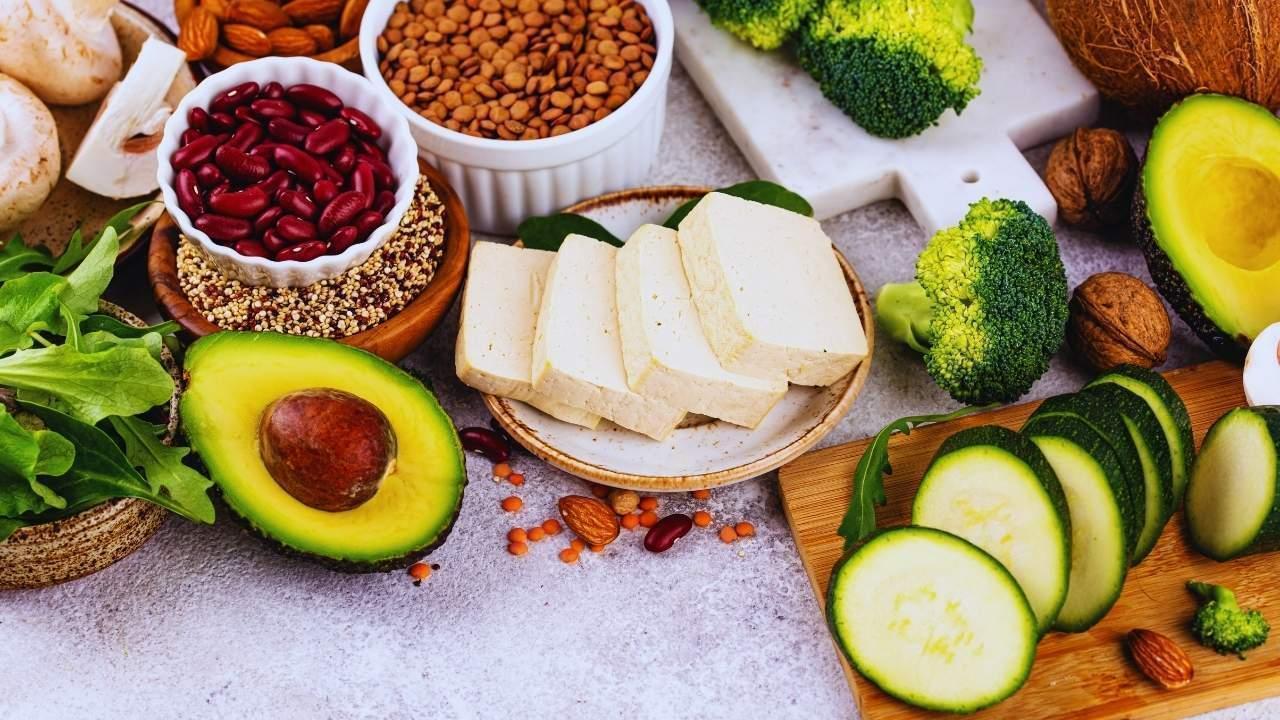
Legumes and Pulses: Lentils, chickpeas, kidney beans, and moong dal are rich protein sources and culinary staples.
Whole Grains: Brown rice, millets, quinoa, and whole wheat provide sustained energy and dietary fiber.
Vegetables and Leafy Greens: Spinach, fenugreek, kale, carrots, and gourds supply vitamins, minerals, and antioxidants.
Fruits: Bananas, mangoes, berries, and citrus fruits add natural sweetness and nutrients.
Nuts and Seeds: Almonds, walnuts, flaxseeds, and chia seeds support heart and brain health.
Dairy Alternatives: Plant-based milks such as soy, almond, oat, and coconut are increasingly replacing traditional dairy in some households.
Meat Substitutes: Products made from soy, tofu, jackfruit, and pea protein provide protein-rich alternatives for those reducing meat consumption.
By combining these ingredients creatively, Indian households can maintain diverse, nutritious, and flavorful plant-based meals.
While plant-based diets offer numerous benefits, careful planning is essential to ensure balanced nutrition. Certain nutrients, including vitamin B12, iron, calcium, omega-3 fatty acids, and protein, may require attention.
Households can incorporate fortified foods, legumes, leafy greens, nuts, and seeds to meet these requirements. Consulting nutritionists or using dietary planning tools helps ensure a well-rounded approach. When properly managed, plant-based diets support all life stages, from childhood to older adulthood, promoting long-term health and vitality.
Global health trends, documentaries, celebrity endorsements, and wellness campaigns have accelerated the adoption of plant-based diets in Indian households. International movements advocating veganism, sustainability, and ethical eating resonate with urban consumers, influencing dietary choices.
Media platforms highlight plant-based lifestyles, sharing recipes, meal plans, and success stories. These narratives inspire households to experiment with plant-forward cooking, blending traditional Indian dishes with innovative alternatives. Exposure to global cuisines and health research broadens culinary horizons, making plant-based diets increasingly mainstream.
Despite growing interest, some households face challenges in adopting plant-based diets fully.
Cultural Preferences: Some regions have deeply ingrained non-vegetarian culinary traditions, making transitions gradual.
Accessibility: Fresh fruits, vegetables, and specialty plant-based products may not be available in all areas.
Cost: Organic produce, plant-based meats, and fortified foods can be expensive, limiting widespread adoption.
Awareness: Knowledge gaps about nutrient balance and cooking techniques can discourage consistent plant-based eating.
Addressing these challenges requires education, infrastructure development, and community support. Cooking workshops, nutrition guides, and affordable product options help households embrace plant-based diets sustainably.
The plant-based movement in India is likely to continue growing, supported by health awareness, environmental concerns, and technological innovations. Online grocery platforms, meal delivery services, and plant-based product companies make adopting these diets more convenient than ever.
Research in alternative proteins, sustainable farming, and food technology will expand options, making plant-based diets accessible, flavorful, and nutritionally complete. Urban households are leading the trend, but increased awareness, government initiatives, and global influence may encourage rural and semi-urban communities to explore plant-based eating.
By integrating plant-forward choices into daily meals, Indian households can improve health outcomes, reduce environmental impact, and embrace culinary diversity, fostering a more sustainable future.
Plant-based diets represent a convergence of health, sustainability, and cultural relevance. For Indian households, they offer an opportunity to nourish family members, protect the environment, and engage with both traditional and modern culinary practices.
From providing essential nutrients to conserving resources, plant-forward eating has benefits that extend far beyond individual health. As more families explore plant-based options, the shift signals a broader transformation in dietary habits, consumer awareness, and lifestyle choices in India.
By combining tradition with innovation, Indian households are redefining the meaning of nutritious, sustainable, and enjoyable meals. The plant-based movement is not merely a trend—it is a lasting change with the potential to impact health, culture, and the environment for generations to come.
This article is intended for informational and educational purposes only. Readers should consult nutritionists or medical professionals before making significant dietary changes, particularly for children, elderly, or individuals with health conditions.










Meta Bans TikTok Ads on Facebook and Instagram in Seven Countries
Meta has banned TikTok ads in seven countries, escalating competition over social media users, adver

ASML and Zeiss Target Next-Generation Chip Technology in 10 Years
ASML and Carl Zeiss are developing Hyper NA technology to print smaller chip circuits, with the next

Rabada Misses First Australia Test as South Africa Pick Two Spinners
Kagiso Rabada misses the opener as South Africa vs Australia begins, with Anrich Nortje returning an

Starc Compares Australia's Tough Year to McIlroy's Major Sweep
Mitchell Starc says Australia winning three away Test series and the World Cup would match Rory McIl

France’s Sesterce Plans $11 Billion AI Data Centre in Finland
Sesterce plans a $11 billion AI data centre in Finland, with major expansion, green energy plans and

Danaher to Launch AI-Powered Autonomous Research Lab in 2027
Danaher plans an AI research lab for 2027, combining robotics and automation to speed up drug discov