
You have not yet added any article to your bookmarks!
Join 10k+ people to get notified about new posts, news and tips.
Do not worry we don't spam!
Post by : Anis Farhan
Plastic was once celebrated as a miracle material. It was light, cheap, durable, and adaptable. It replaced metal, glass, paper, and wood in countless everyday items. For decades, plastic symbolised progress, convenience, and affordability.
Then something changed.
Plastic did not stay in packaging, bottles, or toys. It began appearing in soil, oceans, rain, and air — and eventually in something far more disturbing: the human body. It is now found in blood, lungs, intestines, and even unborn children.
This is not science fiction.
This is modern life.
What makes plastic uniquely dangerous is not how visible it is — but how invisible it becomes. Plastic does not explode, burn loudly, or poison instantly. It stays silent. It breaks down into smaller fragments. It sneaks into systems built to handle food, oxygen, and water.
The damage does not show in days.
It shows in decades.
Plastic has not just changed how we live.
It is changing how we function.
Plastic does not belong inside humans. Yet it travels through digestion, respiration, and skin into bloodstreams.
Once inside, the body cannot metabolize or dissolve plastic.
It accumulates.
Tiny plastic particles behave like foreign intruders. The immune system attempts to fight them, but because they do not break down biologically, the body cannot truly eliminate them.
The result is chronic internal exposure.
Plastic inside the human body becomes:
A trigger for inflammation
A carrier for toxic chemicals
An endocrine disruptor
A stressor for organs
A long-term health burden
Plastic does not kill quickly.
It exhausts slowly.
Plastics don’t disappear. They fracture.
Over time, they fracture into:
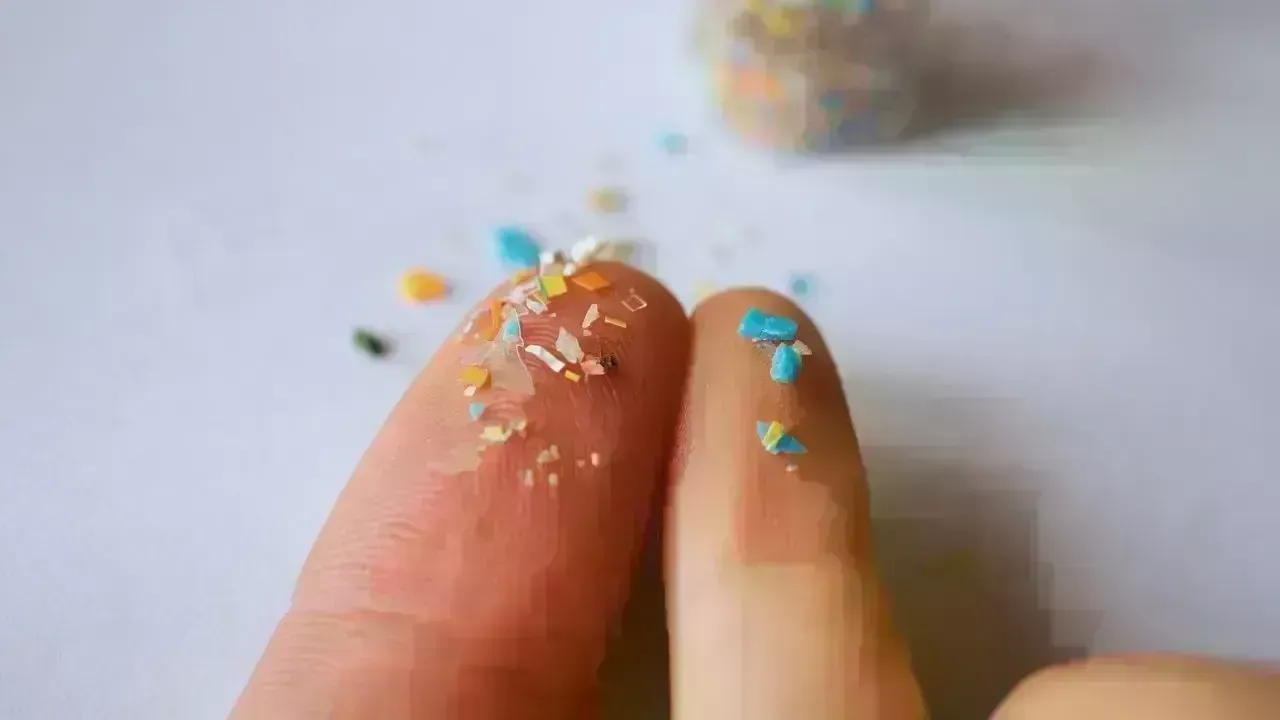
Microplastics (smaller than a grain of sand)
Nanoplastics (smaller than cells)
These fragments enter:
The bloodstream
Organs
The brain
The placenta
At this scale, plastic doesn’t act as waste anymore. It behaves like a toxin.
It crosses biological barriers.
It travels cell to cell.
It embeds quietly.
Plastics absorb hazardous chemicals from the environment like sponges. When they enter the body, they deliver those chemicals straight into tissue.
This transforms plastics from foreign objects into chemical weapons in slow motion.
Plastic packaging, bottles, containers, teabags, and kitchen tools shed fragments into meals.
Heat accelerates plastic decomposition.
Hot food + plastic = chemical migration.
Even bottled water contains plastic particles.
Plastic is no longer just around food.
It is part of it.
Indoor air contains plastic fibres from:
Carpets
Curtains
Furniture
Synthetic clothing
Breathing indoors exposes lungs to plastic dust.
Outdoors, urban air carries fibers from industrial sources and street waste.
Breathing plastic is now normalised — not prevented.
Cosmetics and hygiene products contain microbeads and plastic compounds.
Skin absorbs slowly but continuously.
Lotions, scrubs, and facial products introduce plastic directly onto the body’s largest organ.
Plastic in the bloodstream causes persistent immune response.
The body:
Treats it as enemy
Attacks endlessly
Never wins
This results in:
Chronic inflammation
Weakened immunity
Tissue damage
Hormonal imbalance
Many plastics leak chemicals that mimic or block natural hormones.
This interferes with:
Growth
Fertility
Metabolism
Puberty
Mood regulation
Hormones regulate life.
Plastics interrupt it.
The kidneys and liver work overtime filtering polluted blood.
Over years, this overload contributes to:
Kidney failure
Liver damage
Cardiovascular disease
The heart pumps what blood carries.
Plastic makes the heart work harder.
Plastic exposure has been linked to reproductive harm worldwide.
In men, it affects:
Sperm count
Sperm quality
Hormonal balance
In women, it influences:
Hormonal cycles
Ovarian function
Pregnancy outcomes
Infertility is rising globally.
Plastic is not the only cause — but it is a key threat.
Plastic particles have been detected in placental tissue.
This means unborn children are exposed before taking their first breath.
When toxins enter development stages:
Organs grow under stress
Brain formation risks increase
Future immunity weakens
Plastic is no longer inherited as wealth.
It is inherited as biological debt.
Plastic exposure increases cellular stress.
Over time, this contributes to:
DNA damage
Abnormal cell growth
Tumor development
Cancer does not arrive overnight.
It grows in silent agreement.
Plastic writes that agreement invisibly.
No country is insulated from plastic.
Plastic respects:
No border
No climate
No law
It travels through:
Trade
Wind
Water
Food chains
Human migration
One nation's waste becomes another’s bloodstream.
The World Health Organization has recognised environmental chemicals — including plastic-derived compounds — as growing health threats.
This is not speculation.
It is public health reality.
Plastic spread faster than oversight.
Companies produced.
Governments reacted.
Consumers adapted.
No global framework controlled plastic production early.
And now, removing it is harder than creating it was.
Recycling helps — but cannot keep up.
Plastic does not respect sustainability posters.
It obeys profit models.
Plastic degrades each time it is reused.
Eventually it becomes:
Lower quality
Less recyclable
More toxic
Recycling without reducing production is like sweeping floodwater with a broom.
It delays accumulation.
It does not prevent exposure.
Plastic was adopted because:
It was cheap
It was strong
It was flexible
Now it costs:
Health
Longevity
Fertility
Ecosystem stability
Nothing free stays free forever.
Convenience charged us with interest.
Paid through bloodstream.
Children:
Breathe faster
Eat more per body weight
Have developing systems
Have weaker detox ability
Plastic exposure produces:
Learning disorders
Hormonal issues
Behavioural risk
Autoimmune conditions
A child exposed today pays as an adult tomorrow.
Beyond health damage, plastic causes anxiety.
People increasingly distrust:
Toiletries
Bottles
Packaged meals
Drink containers
Daily products
This creates a quiet mental load — a constant fear of invisible harm.
Trust is disappearing from shelves.
Avoid heating food in plastic
Shift to glass or steel
Reduce packaged food
Store leftovers safely
Avoid plastic bottles
Use metal or glass
Filter water properly
Choose natural fabrics
Avoid heavy polyester use
Ventilate rooms after laundry drying
Reduce frequency
Avoid microbead products
Use fewer layered products
Children copy habits.
If adults change, children follow.
Plastic exposure is not just a consumer issue.
It demands:
Production reform
Toxic ingredient bans
Manufacturing accountability
Product labeling laws
Waste management investment
Individual responsibility helps.
Systemic responsibility saves.
Beaches show it.
Fish carry it.
Clouds trap it.
Bodies contain it.
Plastic is not surrounding life.
It has entered it.
Plastic accumulates quicker than policy.
Health systems strain.
Chronic disease rises.
Medical bills inflate.
Lifespan contracts.
Future generations inherit damage with birth certificates.
Plastic decisions are no longer environmental.
They are medical.
Every bottle chosen.
Every wrapper opened.
Every object heated.
Daily life is now a continuous clinical trial.
Plastic built cities.
But it is also reshaping cells.
Plastic saved money.
But it is costing life quality.
Plastic simplified routines.
But it complicated biology.
The damage is here.
The responsibility is now.
Plastic does not belong in blood, breath, or birth.
If society does not change plastic consumption,
plastic will continue changing society from within.
Not morally.
Biologically.
Disclaimer:
This article is intended for public awareness and informational purposes only. It does not replace medical advice or diagnosis. Readers should consult qualified healthcare professionals for personal health concerns.








Beauden Barrett Opens Up About Mental Struggles During All Blacks Exile
Beauden Barrett discusses his confidence struggles after missing six tests, his return against Austr

IMF Says AI Investment Supports Global Growth Despite Energy Shock
IMF says AI investment is supporting global growth near 3%, with Asian economies benefiting from ris

Will O'Rourke Ruled Out of New Zealand's India Series
New Zealand fast bowler Will O'Rourke will miss the India series with hamstring and calf injuries as

AI Companies Expected to Drive Most US Earnings Growth in Q3
AI companies are expected to drive US third-quarter earnings growth as investors assess tech profits

Money Market Funds See Record Inflows as Global Bond Selloff Intensifies
Global money market funds attract $153.81 billion as bond yields rise, inflation fears persist and i

Meta Bans TikTok Ads on Facebook and Instagram in Seven Countries
Meta has banned TikTok ads in seven countries, escalating competition over social media users, adver

