You have not yet added any article to your bookmarks!
Join 10k+ people to get notified about new posts, news and tips.
Do not worry we don't spam!
Post by : Meena Ariff
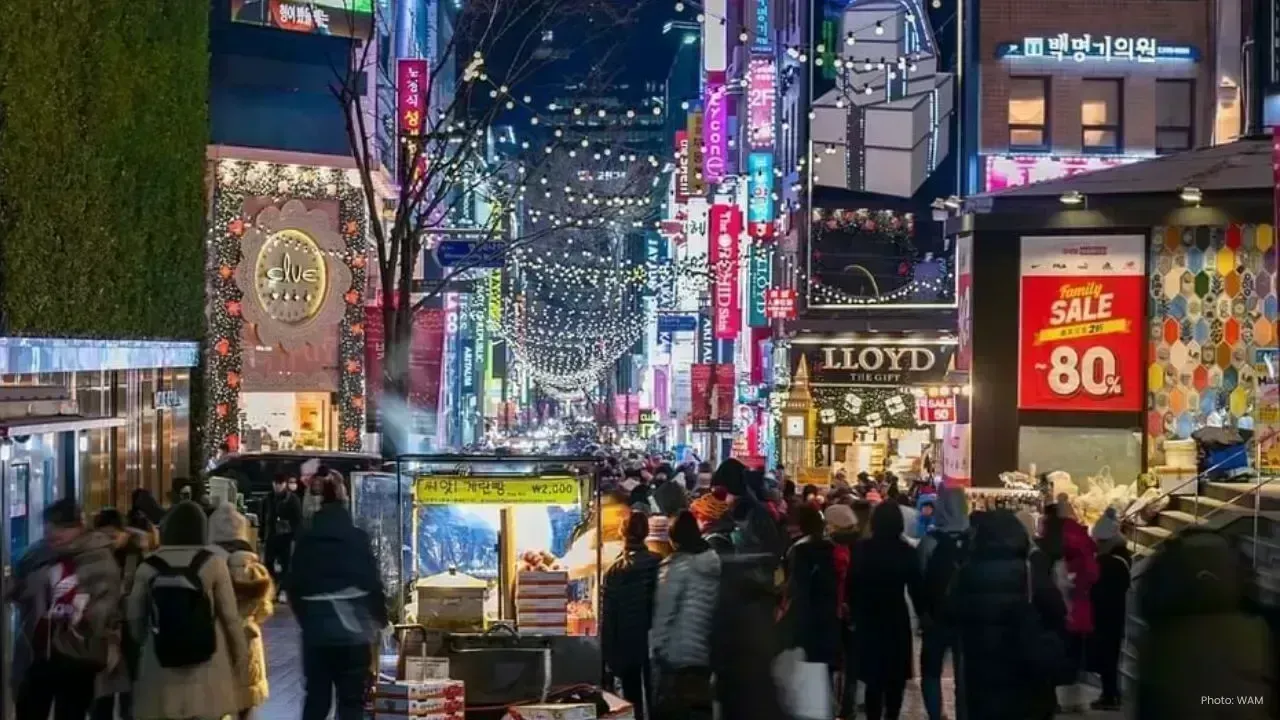
Consumer prices in South Korea increased by 2.1 percent in 2025 compared to the previous year, according to government data released Wednesday. This figure is just above the Bank of Korea’s official inflation target of 2 percent, indicating a slight rise in the cost of living across the country.
This annual inflation rate of 2.1 percent is the lowest since 2020, when consumer prices increased by only 0.5 percent. Over the past few years, inflation in South Korea has seen significant fluctuations. It surged from 2.5 percent in 2021 to a high of 5.1 percent in 2022, before gradually easing down to 3.6 percent in 2023 and 2.3 percent in 2024.
In December 2025 alone, consumer prices rose by 2.3 percent year-on-year. This marked the fourth month in a row that inflation exceeded the central bank’s 2 percent target. The government attributed this continued inflation mainly to the rising cost of imports, which was influenced by a weakening Korean won against other currencies.
Throughout the year, inflation stayed mostly within the 2 percent range. It held steady at around 2 percent during June and July, dipped to 1.7 percent in August, then climbed back up to 2.1 percent in September. Inflation remained close to that level for the rest of the year.
A key driver of the recent inflation increase was the sharp rise in petroleum product prices. In December, prices for petroleum products jumped 6.1 percent compared to the same month the previous year. This was the largest year-on-year increase since February, when prices rose by 6.3 percent.
In addition to headline inflation, core inflation—which excludes food and energy prices that tend to be more volatile—also rose by 2.3 percent in December. This suggests that the overall rise in prices is not just limited to fuel and food but is spreading across other sectors as well.
The data highlights ongoing inflationary pressures in South Korea’s economy, despite some recent easing compared to the peak levels seen in 2022. Policymakers at the Bank of Korea will likely continue to monitor the situation closely as they balance efforts to keep inflation in check while supporting economic growth.








PSG Coach Luis Enrique Urges Players to Step Outside Comfort Zone
PSG coach Luis Enrique says players must leave their comfort zone and keep improving as the club tar

China’s Tiangong Sets New 400m Record at Robot Olympics
China’s Tiangong robot sets a new 400m record at the Robot Olympics, beating a South African robot i

George Russell Wins Dutch GP Sprint, Boosts Mercedes Morale
George Russell wins the Dutch GP Sprint from pole as Mercedes teammate Kimi Antonelli extends his F1

Australia 50/3 After Bangladesh Bowled Out for 64 in Second Test
Australia reached 50/3 after Bangladesh were bowled out for 64 in the second Test, with Mitchell Sta

Jordan Burroughs Returns to Wrestling with 2028 Olympic Dream
Jordan Burroughs returns to wrestling with Real American Freestyle as the Olympic champion eyes a po

Lamborghini Catches Fire on Singapore's ECP, Causing Heavy Traffic
A Lamborghini caught fire on Singapore's ECP, causing heavy traffic and bus delays. No injuries were