
You have not yet added any article to your bookmarks!
Join 10k+ people to get notified about new posts, news and tips.
Do not worry we don't spam!
Post by : Anis Farhan
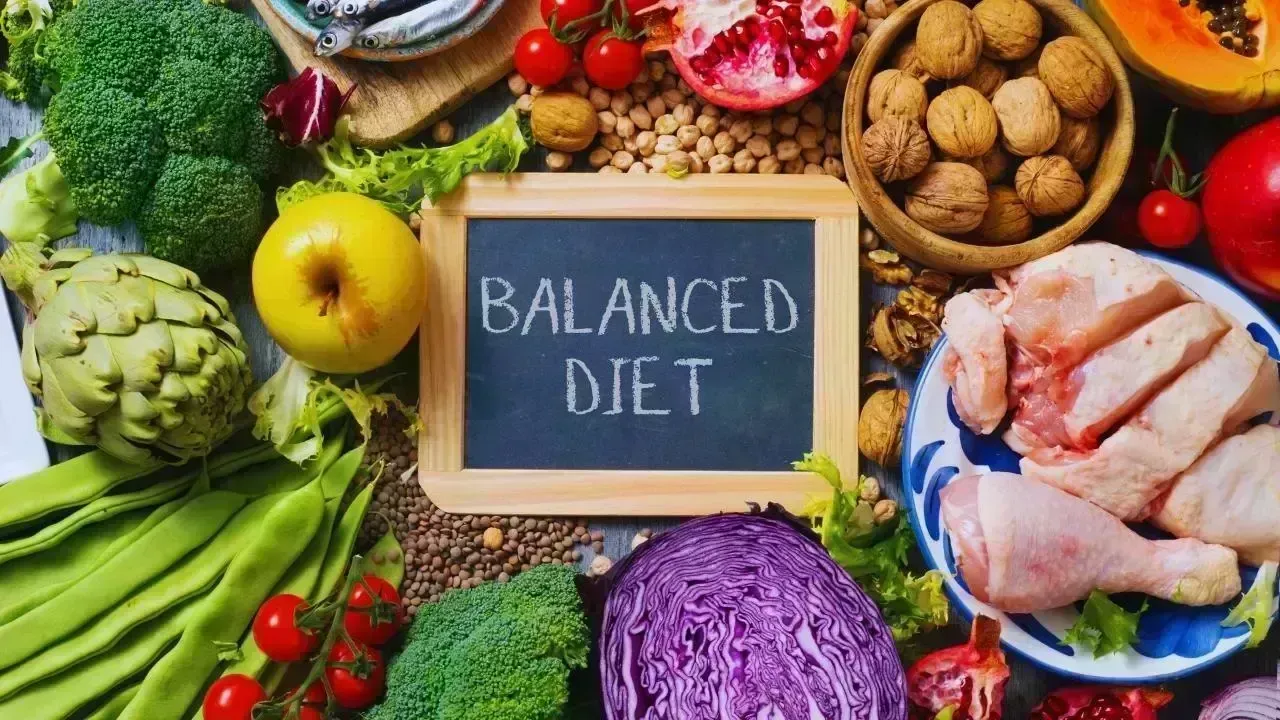
The year 2026 has become a turning point for food culture. Across continents, people are questioning the older model of three heavy meals a day and moving toward flexible, purpose-driven eating. Rising life expectancy, urban work pressure, and a stronger fitness culture have encouraged households to view food as daily medicine rather than simple fuel. Supermarkets and restaurants are adjusting shelves and menus to match this sentiment.
Several themes dominate the conversation worldwide. Protein has replaced carbohydrates as the hero of many plates. Plant-based meals are no longer fringe experiments but mainstream choices. Fasting routines that were once religious practices are being adopted as scientific weight-control tools. The global kitchen therefore looks like a marketplace of ideas where no single formula fits everyone.
In Dubai and the Gulf region, expatriate communities blend South Asian spices with Mediterranean restraint. In Europe, colder winters have encouraged warm soups and balanced meals. North America remains the laboratory of extreme experimentation. These regional flavors feed into a broader pattern that is defining how digital and real lives intersect around food.
Intermittent fasting continues to hold attention in 2026 because it suits busy urban schedules. Office workers who handle excessive workload prefer eating within an eight-hour window and skipping late dinners. Medical experts argue that the body learns to burn stored fat when rest periods are long. This routine does not demand expensive ingredients and therefore attracts middle-class participation from the Gulf to Canada.
16:8 method
alternate day fasting
one meal a day
time-restricted Ramadan-style routine
Many users in Saudi Arabia and Oman say the fasting habit feels natural because religion taught similar discipline earlier. The key challenge remains patience. Beginners often feel dizziness and irritability before the body adapts.
Protein has become the gold of food in 2026. Gyms in Dubai Media City and Silicon Valley promote eggs, fish, lentils and whey shakes as dependable anchors for muscle growth. Teenagers exploring esports leagues want stronger bodies to sit long hours inside virtual arenas, and they therefore consume protein-rich diets.
The conversation between plant and animal protein resembles inflation versus growth debates in markets. North American consumers slide 2 percent in red meat consumption yet increase lentils and chickpeas. Gulf supermarkets now import quinoa and soy in bulk.
Environmental awareness, air pollution concerns, and ethical thinking toward animals have pushed many families to adopt plant-forward meals. Dubai restaurants now host vegan festivals, while Europe plans plastic-free packaging around green diets.
beyond meat burgers
soy milk
almond yogurt
copper vessel cooking in heritage kitchens
This behavior shows how households treat adoption of plants as long-term investment.
The Mediterranean diet remains popular in Europe and is migrating toward Dubai and Abu Dhabi because it promotes balanced meals, olive oil, seafood and vegetables. The plan does not sound mechanical and therefore suits general readers.
cardiovascular safety
mental health improvement
weight control
Keto diet continues in North America as extreme experimentation. Users eat high fat low carb meals. Mauni Amavasya style silence of carbs attracts dedicated pilgrims of health.
Schools in Qatar teach children about allergies. Parents monitor labels. Luxury goods of bread replaced by rice options.
Colder January in India earlier boosted crop prospects; similarly Europe winter encourages warm soups. Fasting preceded by digital calm.
Trent-style menus for women focus on iron, copper vessels, lentils.
Adequate sleep supports immunity. Balanced meals act as daily anchor.
Streaming platforms broadcast docuseries on fitness. Influencers treat digital calm.
Exchange traded meal kits open access. Brands sponsor influencers.
Despite optimism, valuation of talent and competitive pressures remain. Rising costs in arenas may affect margins. Weather uncertainty can disrupt visibility. Cyber intrusions equivalent of conventional attacks raise need for encryption upgrades and information warfare responses.
geopolitical developments
monetary policy shifts
global economic indicators
These elements will affect gold’s trajectory and metaverse adoption. Investors should balance their exposure and maintain diversified risk management.
The metaverse in 2026 reflects a pause but not panic. Selling in heavyweights of politics occasionally drags sentiment, yet dedication among creators keeps structure intact. Gold’s role as hedge remains anchor as markets navigate volatility.
This article is for informational purposes only and does not constitute dietary or investment advice. Eating plans mentioned reflect global trends and personal results may vary. Always consult qualified professionals before making major changes to daily food routines.










PM Modi Pays Tribute to Mahatma Gandhi, Urges People to Support Khadi
PM Modi pays tribute to Mahatma Gandhi on Gandhi Jayanti and urges citizens to support Khadi and the

Amazon Seeks to Offload $8 Billion in Nvidia Chips to Investors
Amazon plans to move $8 billion in Nvidia chips to investors, using a new financing model to strengt

Samsung Raises Galaxy S26 Prices as Memory Chip Costs Rise
Samsung raises Galaxy S26 prices in South Korea as rising memory chip costs put pressure on smartpho

Lewis Hamilton Calls Singapore Grand Prix One of F1's Toughest Races
Lewis Hamilton discusses the demanding Singapore Grand Prix and brings Plus44 and Almave to Singapor

Denmark's Pandora Opens World's Largest Jewellery Factory in Vietnam
Pandora opens its largest jewellery factory in Vietnam, expanding global production, strengthening s

Gautam Gambhir Questions Batting-Friendly Pitches After India's Record ODI Chase
Gautam Gambhir questions batting-friendly ODI pitches after India’s record chase, calling for a bett

