You have not yet added any article to your bookmarks!
Join 10k+ people to get notified about new posts, news and tips.
Do not worry we don't spam!
Post by : Saif Rahman
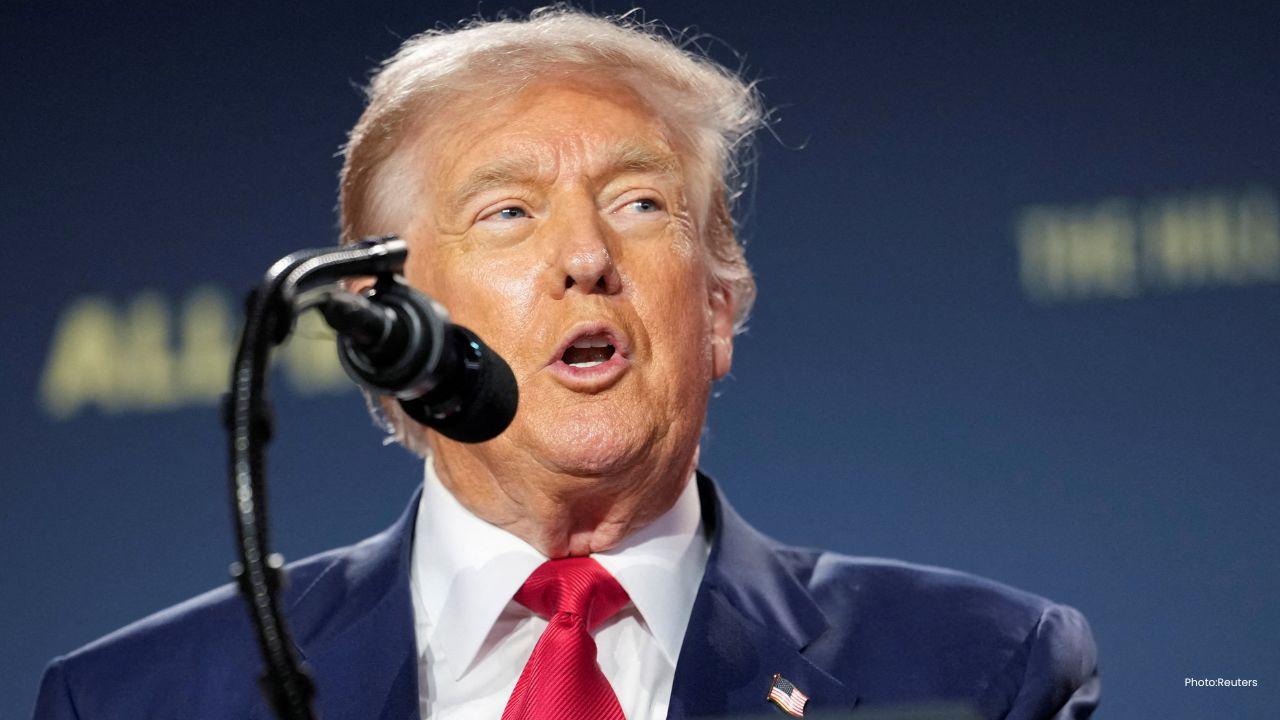
The Secretariat of the Pacific Regional Environment Programme (SPREP), a key organization for environmental conservation in the Pacific, has stated that the United States cannot exit the group without following a formal withdrawal protocol. This statement follows President Donald Trump's announcement of plans to leave multiple international institutions, including SPREP.
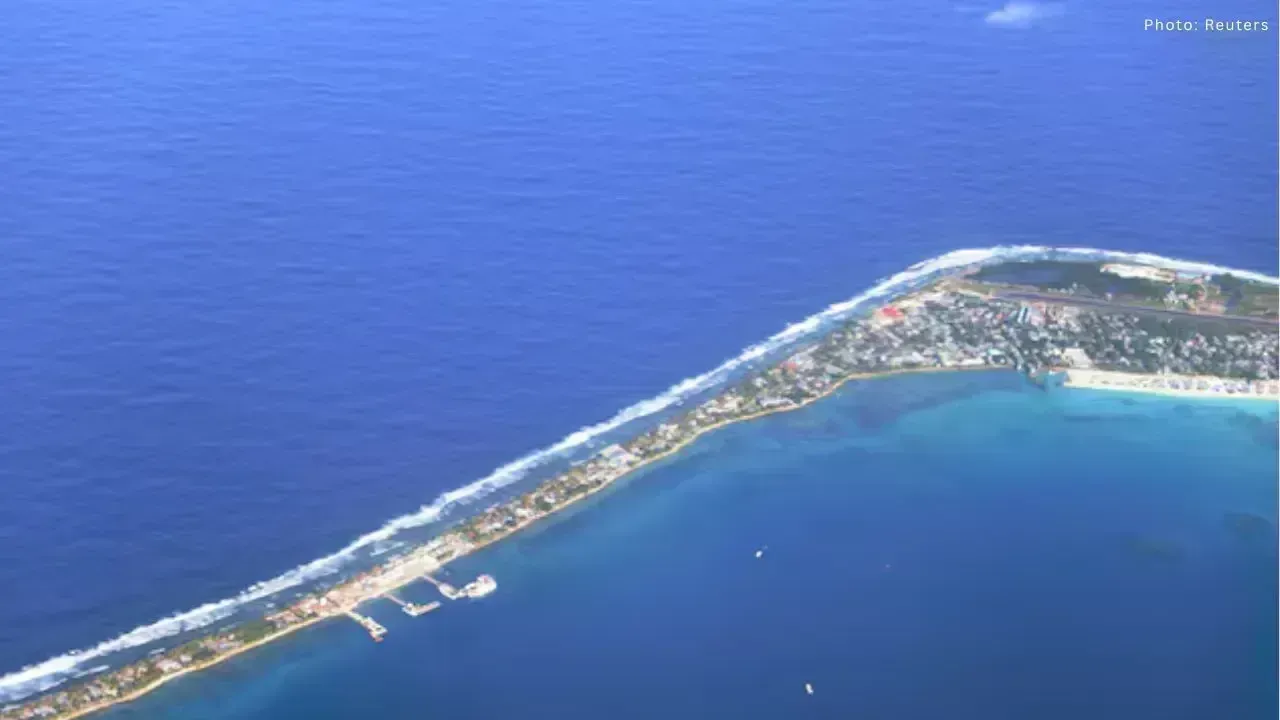
Operating from Samoa, SPREP has long been committed to assisting Pacific island nations in safeguarding their environments, particularly as they face severe threats from climate change. Issues such as rising sea levels, increasing storm intensity, and coastal flooding put at risk the existence of these islands and the well-being of their populations.
SPREP actively supports its member nations by facilitating their participation in international climate discussions, and by implementing programs focused on pollution control, disaster preparedness, and extreme weather forecasts. The organization also prepares member countries for oil spills and other ecological crises.
According to SPREP Director-General Sefanaia Nawadra, the U.S. remains a full member of SPREP until clear withdrawal procedures are followed. He emphasized the importance of adhering to these established rules during the exit process, reaffirming that the U.S. continues to be recognized as a member state in the interim.
The United States has contributed financial resources and technical assistance to SPREP in the past. However, Nawadra noted that other partner nations will be expected to ensure the sustainability of SPREP’s operations going forward. Major contributors to SPREP include Australia, the UK, New Zealand, France, and the U.S., along with limited support from China in recent years.
SPREP employs over 150 staff across various Pacific nations such as Fiji, Vanuatu, the Solomon Islands, and the Marshall Islands, with its initiatives having a significant impact on local communities, contributing to the protection of oceans, coastlines, and the broader environment.
Certain leaders in the Pacific region have voiced concerns that a U.S. exit may diminish American sway in the area. One island minister privately noted that disengaging from regional bodies might enable China to fortify its influence in the Pacific, where it has been increasing its ties.
Additionally, relations between the U.S. and Pacific nations are fraught due to new travel restrictions. Countries including Fiji, Tuvalu, Tonga, and Vanuatu will soon encounter increased expenses and tougher entry requirements into the U.S., raising alarms among Pacific leaders regarding the future of American participation.
For many Pacific island nations, climate change is not a looming threat but a pressing daily challenge. Organizations like SPREP are essential for these countries to safeguard their environments and strategize for the future. The approach taken by the United States regarding its potential departure from SPREP will have enduring implications on both environmental collaboration and geopolitical influence in the Pacific region.







China’s Tiangong Sets New 400m Record at Robot Olympics
China’s Tiangong robot sets a new 400m record at the Robot Olympics, beating a South African robot i

George Russell Wins Dutch GP Sprint, Boosts Mercedes Morale
George Russell wins the Dutch GP Sprint from pole as Mercedes teammate Kimi Antonelli extends his F1

Australia 50/3 After Bangladesh Bowled Out for 64 in Second Test
Australia reached 50/3 after Bangladesh were bowled out for 64 in the second Test, with Mitchell Sta

Jordan Burroughs Returns to Wrestling with 2028 Olympic Dream
Jordan Burroughs returns to wrestling with Real American Freestyle as the Olympic champion eyes a po

Lamborghini Catches Fire on Singapore's ECP, Causing Heavy Traffic
A Lamborghini caught fire on Singapore's ECP, causing heavy traffic and bus delays. No injuries were

Bangkok Airport Duty-Free Area Flooded by Pipe Burst
A burst water pipe flooded the duty-free shopping area at Bangkok's Suvarnabhumi Airport on July 16,