You have not yet added any article to your bookmarks!
Join 10k+ people to get notified about new posts, news and tips.
Do not worry we don't spam!
Post by : Samjeet Ariff
Tier-2 cities are swiftly emerging as the most attractive real estate markets, appealing to buyers seeking affordability, improved living standards, and promising investment opportunities. While metropolitan areas remain pricey and saturated, these smaller cities are undergoing rapid transformation through enhanced infrastructure, smart city initiatives, and substantial commercial developments. This evolution is catalyzing a significant housing boom, characterized by enhanced accessibility, better connectivity, and growing job prospects. This article delves into the factors driving Tier-2 cities' rise, the infrastructure changes propelling them forward, and the advantages for potential investors and homebuyers in the upcoming years.
Historically, metropolitan areas have been the focus for real estate seekers, but the surge in property costs, gridlock, and overcrowding has led many to explore alternatives. Tier-2 cities now combine affordability with contemporary developments, striking an appealing balance.
More affordable properties and spacious living
Reduced pollution and congestion
Increasing employment opportunities
Better rental returns compared to big cities
The synergy of lower costs and rising income potential makes these Tier-2 markets attractive for both homeowners and investors.
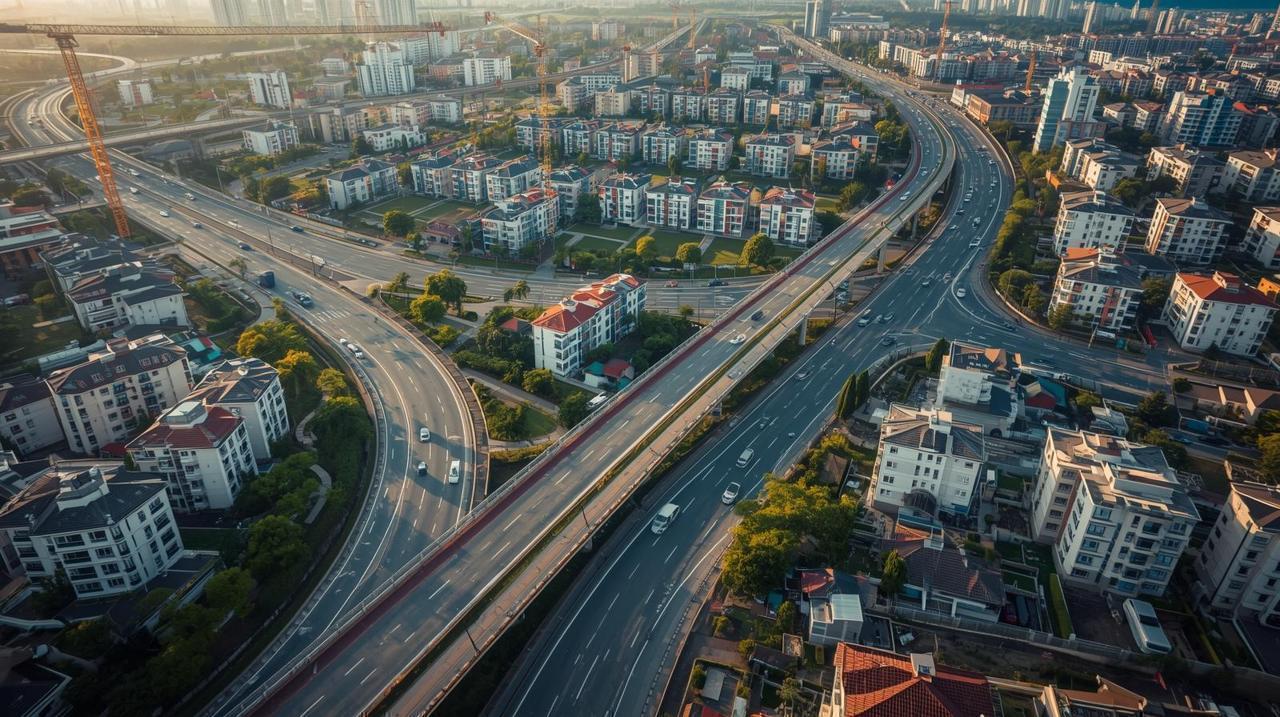
The backbone of this real estate boom is robust infrastructure. Major investments by the government in highways, airports, metro systems, and industrial corridors are turning Tier-2 cities into vibrant economic centers.
Expansion of national highways and express routes
Construction of regional airports and additional flight paths
Urban metro initiatives
Modernization of railways under connectivity missions
With improved movement for people and goods, these cities are increasingly attractive to companies, industries, and newcomers.
The implementation of the Smart City Mission is revitalizing Tier-2 areas, streamlining urban management and development.
Digital governance with smart public services
Sustainable energy implementations
Enhanced waste management systems
Streamlined water distribution and monitoring
Safer streets equipped with surveillance and intelligent traffic systems
This modernization elevates the living standards, making these cities more attractive residential options.
Due to the establishment of industrial zones, IT parks, and logistics centers, Tier-2 cities are increasingly becoming bustling employment centers.
Shifts of IT firms relocating from expensive metro centers
Growth of industrial corridors linking multiple urban areas
Large-scale warehousing and logistics facilities facilitated by e-commerce
Government incentives for manufacturing through national policies
As job opportunities rise, so does migration and housing demand, leading to stronger real estate markets.
The affordability gap between metro areas and Tier-2 cities significantly propels real estate expansion.
Properties are modern, spacious, and budget-friendly
Home loan eligibility improves with lower costs
Decreased living expenses appeal to young professionals and families
Government initiatives supporting affordable housing enhance demand
Consequently, Tier-2 sectors are ideal for first-time buyers and serious investors.
Developers are now offering amenities that were once the hallmark of metropolitan areas—clubhouses, parks, security, co-working spaces, and smart homes.
Well-planned communities provide improved safety
Green areas promote overall well-being
Smart home technology enhances property values
These initiatives engage professionals, NRIs, and investors who appreciate organized communities.
Tier-2 cities frequently exhibit stronger rental yields compared to metros, spurred by increased migration and limited availability in premium areas.
Lower acquisition costs with consistent rental prospects
Surging demand from students, working professionals, and migrants
Solid appreciation potential due to infrastructural investments
This combination results in a safer and more reliable investment scenario.
Enhancements in lifestyle are a significant reason for the movement towards Tier-2 cities.
Reduced traffic and noise
More greenery and open spaces
Robust community culture and safer neighborhoods
Enhanced educational, healthcare, and entertainment facilities
This positions Tier-2 cities as preferred long-term residential havens.
Despite the positive growth trajectory, Tier-2 cities confront certain challenges.
Public transportation quality in some locales
Fewer high-end commercial zones
Inconsistent utility services in select areas
Yet, active urbanization projects are addressing these challenges, indicating a promising long-term outlook.
Expect continued expansion in Tier-2 cities as more infrastructure projects are completed.
Increased property value
More recognized developers entering smaller communities
Emergence of flexible workspaces
Growth of international investments targeting nascent cities
These patterns suggest a sustained real estate boom extending well beyond 2026.
Once considered alternative choices, Tier-2 cities are evolving into favored options for contemporary homebuyers and investors. With strengthened infrastructure, lifestyle enhancements, and robust economic growth, these locations are leading the next phase of housing development. As connectivity improves and businesses establish themselves, the real estate potential will keep rising, presenting superb opportunities for immediate and future investments.
This content is for informational purposes and is not intended as financial, investment, or legal guidance. Real estate conditions vary regionally, and buyers should conduct comprehensive research or consult professionals before making decisions. The author bears no responsibility for any results stemming from the use of this information.










Jacob Bethell Returns as England Name Squads for Australia Tour
England name ODI and T20 squads for the Australia tour, with Jacob Bethell returning from injury and

Beauden Barrett Opens Up About Mental Struggles During All Blacks Exile
Beauden Barrett discusses his confidence struggles after missing six tests, his return against Austr

IMF Says AI Investment Supports Global Growth Despite Energy Shock
IMF says AI investment is supporting global growth near 3%, with Asian economies benefiting from ris

Will O'Rourke Ruled Out of New Zealand's India Series
New Zealand fast bowler Will O'Rourke will miss the India series with hamstring and calf injuries as

AI Companies Expected to Drive Most US Earnings Growth in Q3
AI companies are expected to drive US third-quarter earnings growth as investors assess tech profits

Money Market Funds See Record Inflows as Global Bond Selloff Intensifies
Global money market funds attract $153.81 billion as bond yields rise, inflation fears persist and i