You have not yet added any article to your bookmarks!
Join 10k+ people to get notified about new posts, news and tips.
Do not worry we don't spam!
Post by : Badri Ariffin
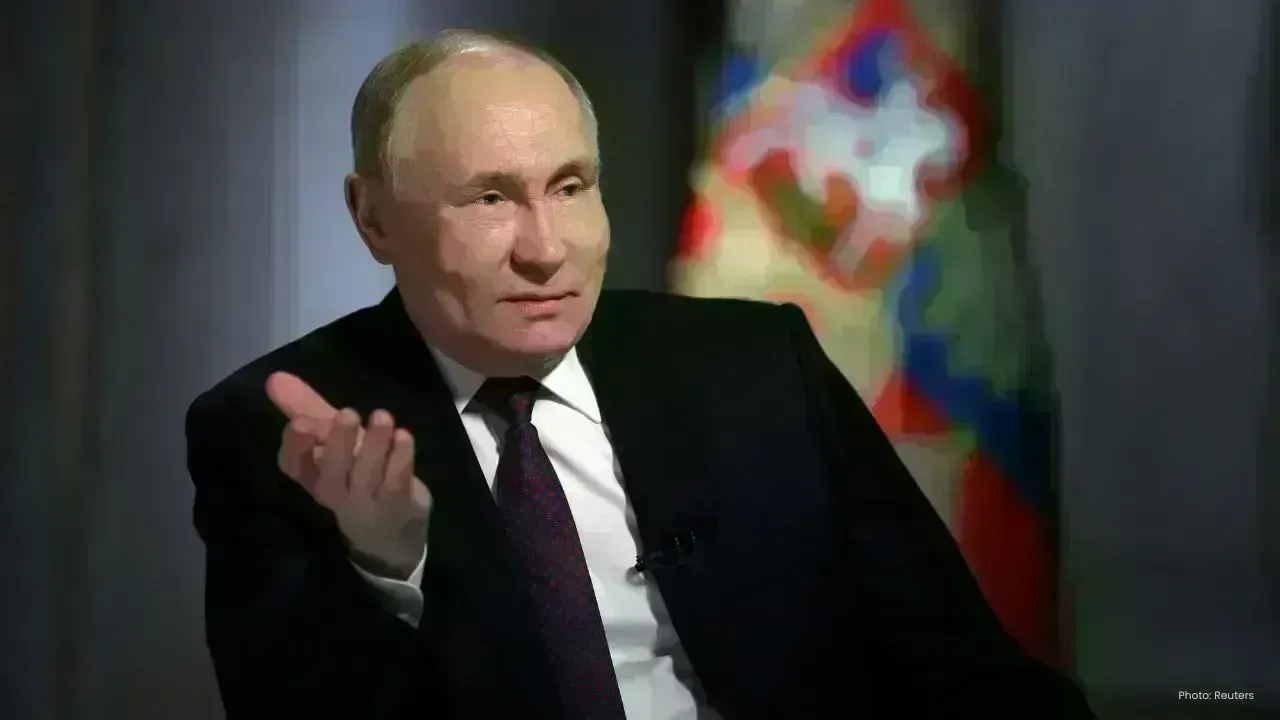
In a significant diplomatic attempt, Russian President Vladimir Putin convened with US negotiators in Moscow for a lengthy five-hour discussion on Tuesday, aimed at advancing a peace strategy for Ukraine. Despite the presence of Trump's special envoy Steve Witkoff and son-in-law Jared Kushner during this intense session, the meeting ended without any agreement.
A spokesperson from the Kremlin described the meeting as “constructive,” yet highlighted that several crucial aspects of the proposal remain unacceptable for Russia. Earlier in the dialogue, Putin cautioned that further escalation by Europe could prompt immediate Russian responses.
Kyiv, alongside its European allies, has urged the US to amend a peace proposal initially viewed as favorable to Russia following a leak in November. Recent modifications aimed at addressing Ukraine’s territorial and security concerns have not yet received comprehensive approval from Russia.
Yuri Ushakov, an aide to Putin, confirmed that although Moscow conceded on some issues, significant differences still exist. Key among these is Ukraine’s demand for control over eastern territories and robust European security assurances, particularly NATO membership—an unacceptable condition for Russia.
In the meantime, combat on the ground persists. Ukrainian forces reported ongoing skirmishes in Pokrovsk, contradicting Russian assertions of territorial gains. Such discrepancies also arose in Vovchansk and Kupyans, emphasizing the gap between the actual situation and official statements.
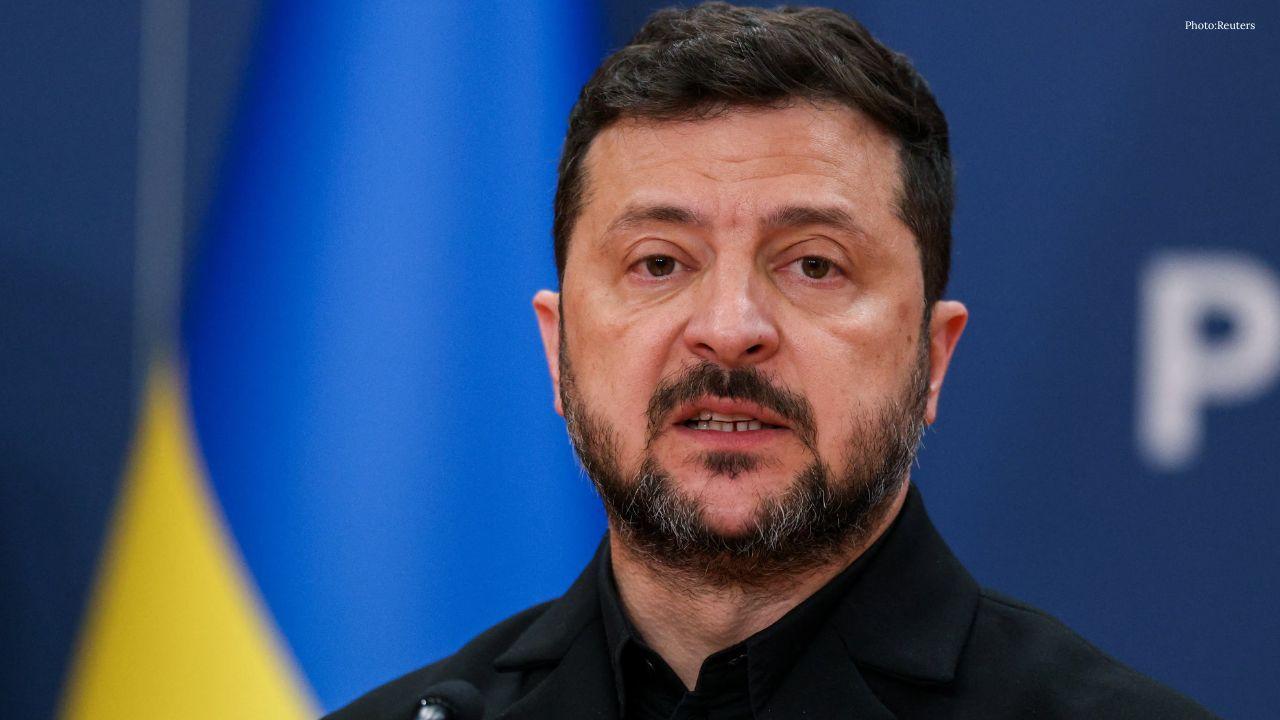
President Volodymyr Zelensky underscored the critical nature of the current situation, asserting that a resolution to the conflict is crucial “now more than ever,” necessitating meticulous negotiations. Ukrainian officials have engaged in multiple discussions with US representatives, with European leaders continuing to develop alternative proposals.
As diplomatic efforts falter, the humanitarian impact of the war remains profound. Since the invasion in 2022, tens of thousands of military personnel and over 14,000 civilians have been either killed or injured. Civil infrastructure, including educational and medical facilities, continuously suffers from nightly assaults.
These talks reveal the intricate nature of the conflict: disputes over territory, security needs, and global expectations remain intensely debated. Although both factions indicate a willingness to negotiate, the route to a lasting ceasefire remains elusive.



Hyundai raises profit target, expands hybrid lineup in the US
Hyundai hybrid cars get a major boost as the automaker raises its profit margin target and plans new

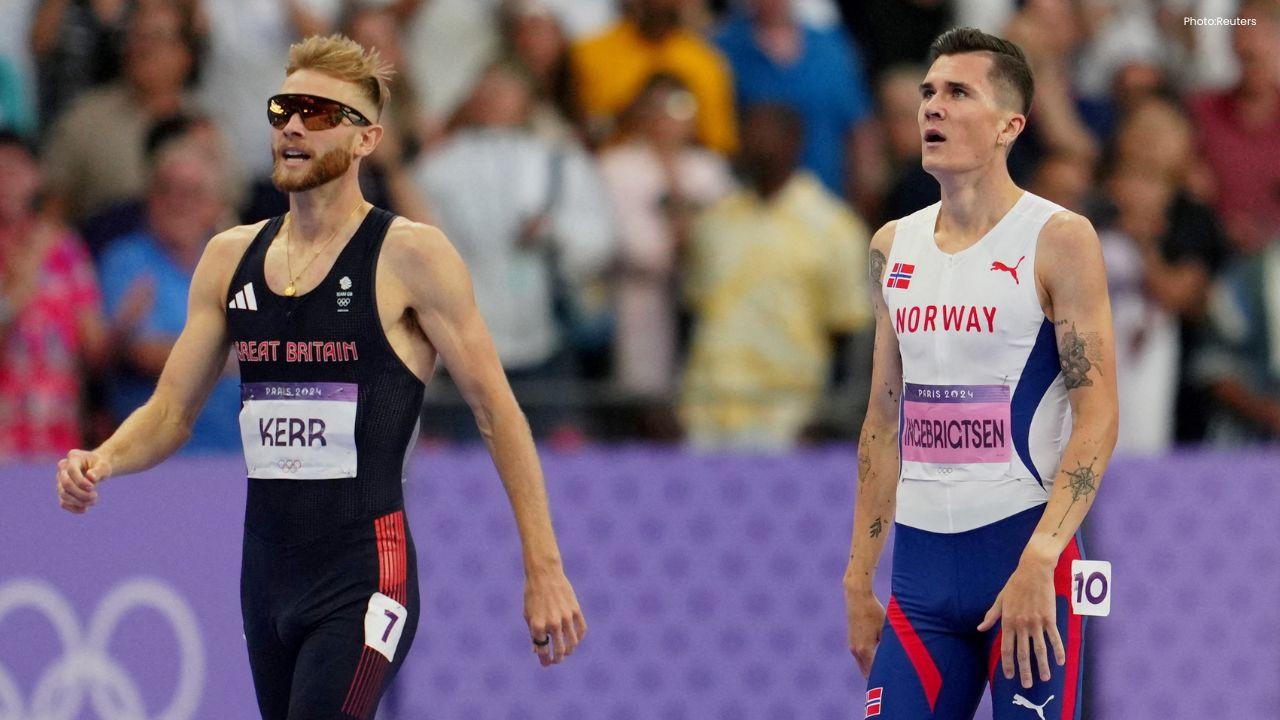
Josh Kerr and Jakob Ingebrigtsen Set for 1,500m Rivalry Rematch
Josh Kerr and Jakob Ingebrigtsen will renew their 1,500m rivalry at the Ultimate Championship in Bud
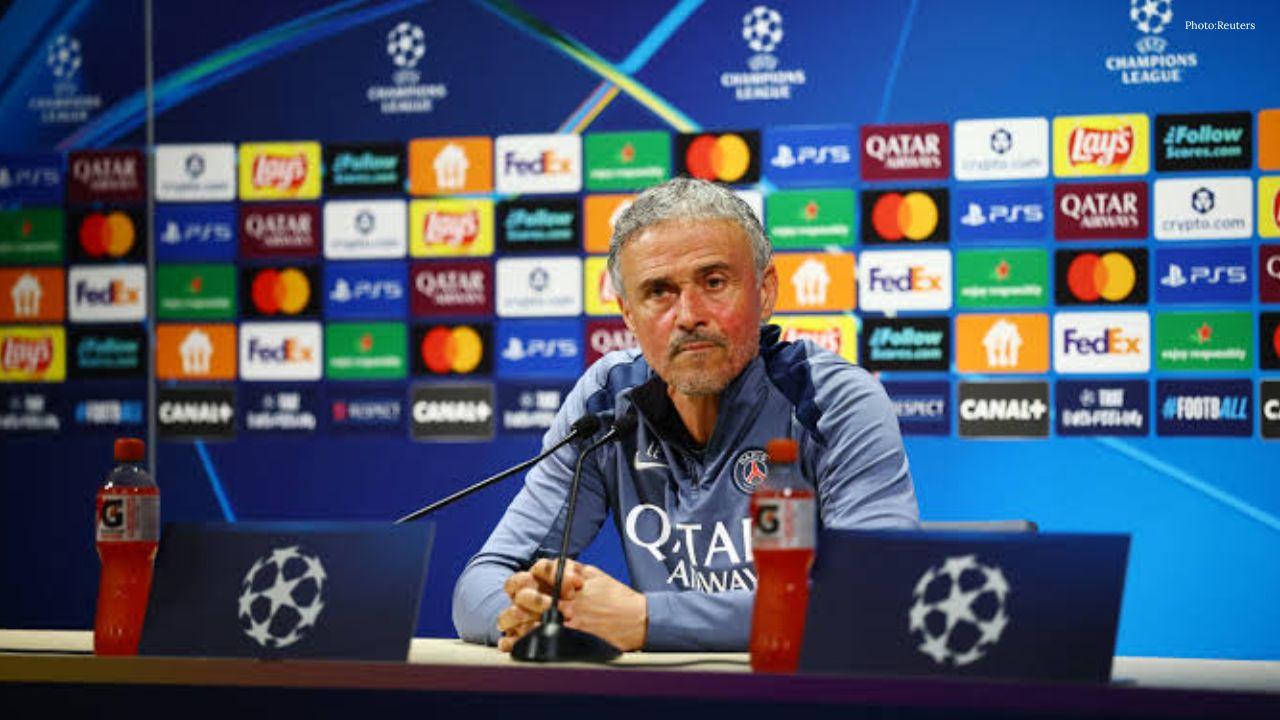
PSG Coach Luis Enrique Urges Players to Step Outside Comfort Zone
PSG coach Luis Enrique says players must leave their comfort zone and keep improving as the club tar

China’s Tiangong Sets New 400m Record at Robot Olympics
China’s Tiangong robot sets a new 400m record at the Robot Olympics, beating a South African robot i
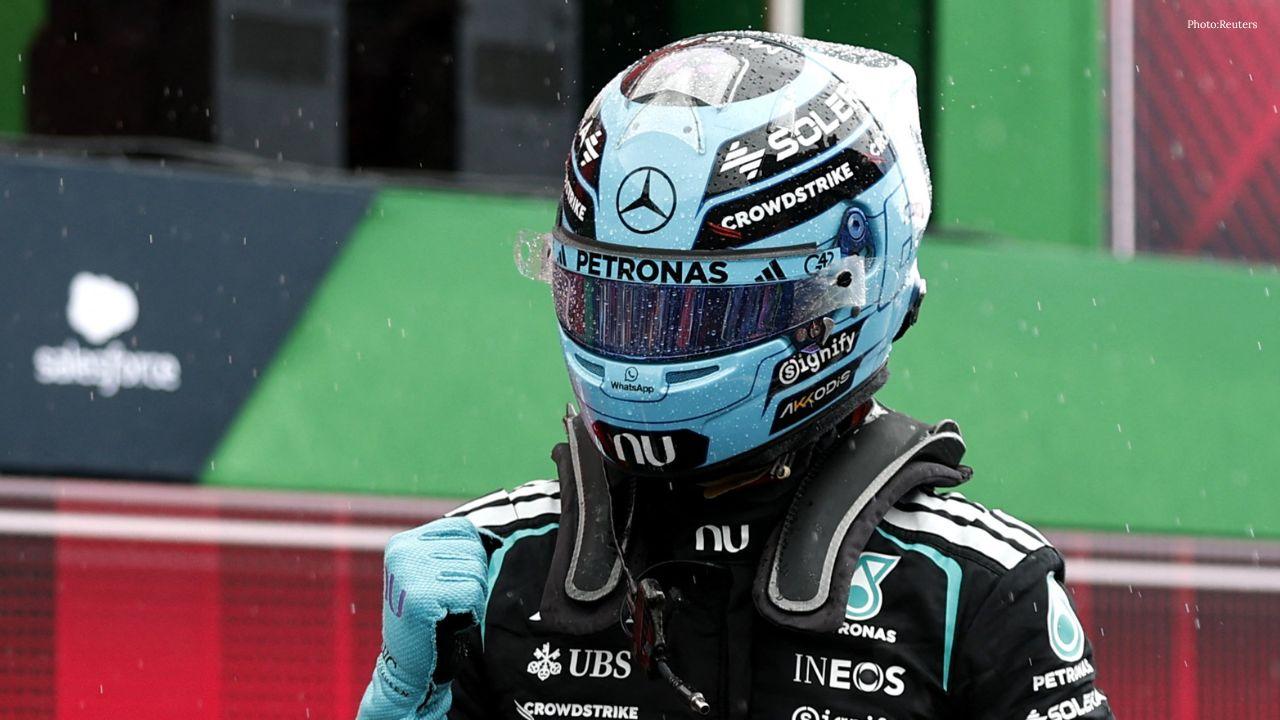
George Russell Wins Dutch GP Sprint, Boosts Mercedes Morale
George Russell wins the Dutch GP Sprint from pole as Mercedes teammate Kimi Antonelli extends his F1
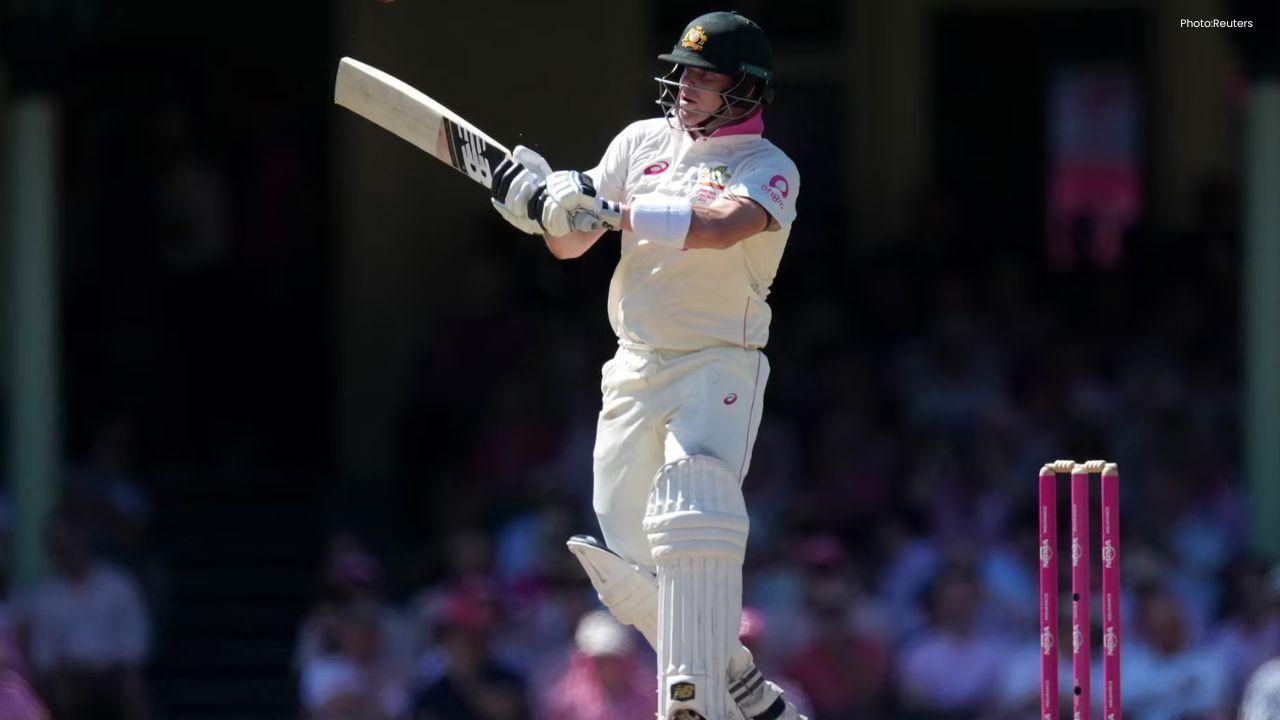
Australia 50/3 After Bangladesh Bowled Out for 64 in Second Test
Australia reached 50/3 after Bangladesh were bowled out for 64 in the second Test, with Mitchell Sta