
You have not yet added any article to your bookmarks!
Join 10k+ people to get notified about new posts, news and tips.
Do not worry we don't spam!
Post by : Rohit Dhiman
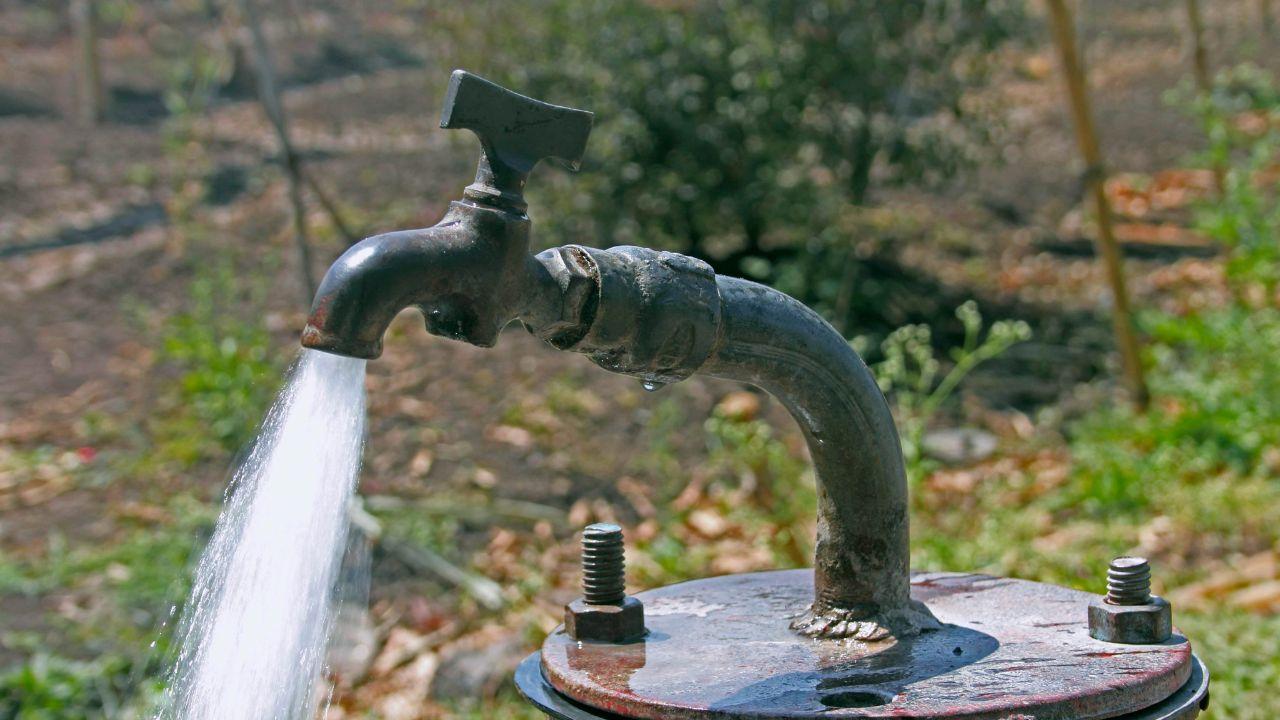
The Sabah government has spent more than RM1 billion to address long-standing Sabah water supply problems across the state, Chief Minister Hajiji Noor said. The large spending is part of ongoing efforts to improve basic infrastructure and provide residents with a more reliable water supply. According to Hajiji, work has been carried out in several districts, including the replacement of ageing water pipelines that have become a major concern for communities.
Hajiji said a significant part of the spending has gone towards replacing old water pipes in most districts. Some pipelines also had to be replaced after being stolen, adding another challenge to the state’s efforts to maintain its water infrastructure. The replacement work is expected to improve the reliability of water distribution and reduce problems linked to ageing infrastructure.
The Sabah chief minister also said several major water-related projects are progressing. One or more of the major projects are expected to be completed by the end of this year. The Tawau water project has also made progress and is currently estimated to be around 50% to 60% complete. These projects are considered important for strengthening water infrastructure and addressing supply difficulties in different parts of the state.
The government’s infrastructure efforts are not limited to water. Hajiji said Sabah is also working to resolve long-standing issues involving basic electricity and road facilities. These areas remain important for improving living conditions, supporting businesses and helping communities that continue to face infrastructure challenges.
Hajiji also highlighted the state government’s approach towards investment. He said Sabah has an open policy aimed at making it easier for developers and foreign investors to establish projects in the state. According to him, increased investment can help economic activity grow and create more employment opportunities for local people.
The chief minister stressed that improving Sabah cannot be the responsibility of the government alone. He said cooperation is needed from private companies, government agencies, entrepreneurs and members of the public. Such cooperation, he said, can help speed up development and ensure that major infrastructure and economic projects deliver wider benefits to communities.
The spending on water infrastructure highlights the scale of the challenges facing Sabah. Replacing ageing pipelines, restoring stolen infrastructure and completing major water projects are expected to remain important parts of the state’s development agenda. The government is also continuing to focus on electricity, roads and investment as it works to improve basic facilities and support Sabah’s wider economic development.
Read Also: MP Questions Whether Taxpayers Could Bail Out AirAsia
How much has Sabah spent on water supply problems?
The Sabah government has spent more than RM1 billion to address water supply-related problems, including replacing ageing and stolen water pipes.









South Africa Paceman Anrich Nortje Ruled Out of Third Test
Anrich Nortje misses the third Test against Australia with a groin injury as South Africa prepare fo

Mumbai Indians Appoint Kieron Pollard as Head Coach for 2027 IPL
Mumbai Indians appoint Kieron Pollard as head coach for IPL 2027, replacing Mahela Jayawardene as th

Marquez Takes Australian MotoGP Pole After Early Qualifying Crash
Marc Marquez claims pole at the wet Australian MotoGP after a crash, with Alex Marquez second and Jo

MotoGP Qatar GP to Proceed Despite Regional Tensions and Safety Fears
MotoGP Qatar GP is scheduled for November 6-8 despite regional tensions, as Alex Marquez questions s

Fiji Appeals to Mark Nawaqanitawase’s Pride Ahead of Rugby World Cup
Fiji hopes Mark Nawaqanitawase will choose his ancestral homeland over Australia as the 2027 Rugby W

OpenAI and Poland’s NASK Team Up to Improve AI Safety
OpenAI and Poland’s NASK will research AI safety, security risks and stronger safeguards as concerns