You have not yet added any article to your bookmarks!
Join 10k+ people to get notified about new posts, news and tips.
Do not worry we don't spam!
Post by : Rohit Dhiman
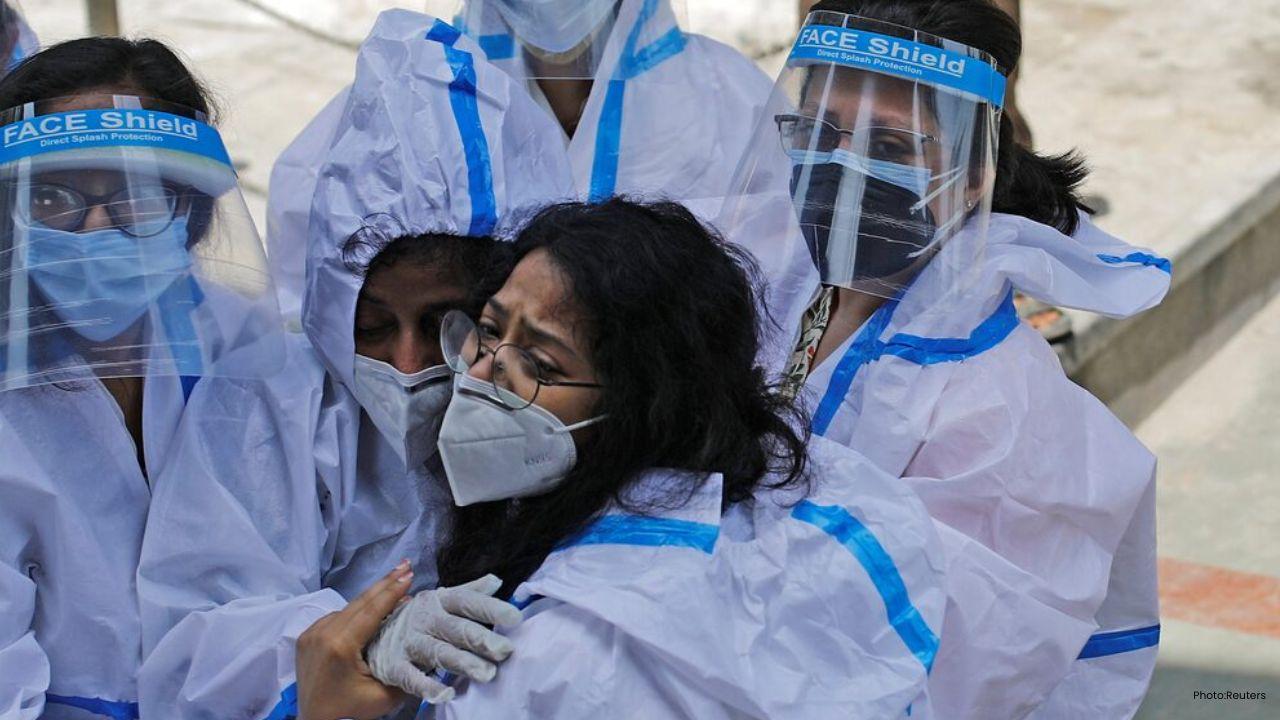
Reports of abuse and harassment involving healthcare workers at public healthcare institutions in Singapore nearly doubled over a two-year period, rising from about 2,200 cases in 2023 to 4,200 cases in 2025, according to figures released by the Ministry of Health (MOH). The number of cases reported to the police also increased during the same period, going from approximately 350 in 2023 to about 550 in 2025. However, the increase in reported incidents does not necessarily mean that abusive behaviour has become more common across Singapore's healthcare sector. The Tripartite Workgroup for the Prevention of Abuse and Harassment of Healthcare Workers said the higher numbers are also consistent with greater awareness among healthcare workers about unacceptable behaviour and increased confidence in reporting incidents.
The latest figures provide a clear picture of the increase in reported incidents involving healthcare workers at public institutions. In 2023, approximately 2,200 incidents of abuse and harassment were reported. By 2025, that figure had risen to around 4,200. Police reports also increased, although by a smaller margin. Around 350 cases were reported to police in 2023, compared with approximately 550 in 2025. The workgroup has cautioned against interpreting these figures as direct evidence that the actual prevalence of abuse and harassment has doubled. Instead, the report points to greater awareness and a stronger willingness among healthcare workers to speak up when they experience or witness inappropriate conduct.
The scale of the problem was also highlighted by surveys conducted by the workgroup. In 2023, the group engaged more than 3,000 healthcare workers and more than 1,500 members of the public through surveys and focus group discussions. About two in three healthcare workers surveyed said they had either experienced abuse or harassment themselves or witnessed such behaviour involving another healthcare worker. Verbal abuse was identified as one of the most common forms of inappropriate behaviour. The report also found that a significant number of incidents were not reported. Some workers were uncertain about where or how to report an incident. Others were concerned about possible repercussions, while some had come to regard such treatment as an unavoidable part of working in healthcare.
In response to these concerns, the workgroup introduced a tripartite framework in 2023. The framework established a common understanding of what constitutes abuse and harassment and aimed to make the response of healthcare institutions more consistent. The approach also placed greater emphasis on protecting frontline staff who may face difficult or potentially unsafe situations while dealing directly with patients and caregivers. According to the report, all public healthcare institutions in Singapore now have dedicated functions focused on protecting healthcare workers. These include chief wellness officers and other organisational measures designed to support staff welfare and workplace safety. Institutions can also take action against individuals who engage in abusive behaviour.
Training has become another important part of the effort to improve healthcare worker safety. More than 6,000 healthcare workers have received training in advanced de-escalation and self-defence techniques, according to the report. De-escalation training is designed to help frontline workers manage tense situations and reduce the risk of conflicts becoming more serious. Basic training is also provided to frontline staff and has been incorporated into onboarding programmes for new healthcare workers. The measures are intended to ensure that employees are better prepared to respond when confronted with threatening, aggressive or difficult behaviour.
The report included several examples illustrating the types of situations healthcare workers have faced. In one case, a patient made offensive sexual remarks toward a staff member. The incident caused the employee significant distress, and she was initially hesitant to report it because she felt embarrassed and was concerned that pursuing the matter could add to her stress. The healthcare institution provided her with wellness leave and regular well-being check-ins. She was also supported throughout the reporting process. The patient and his spouse were informed that the behaviour was unacceptable and would not be tolerated. The case demonstrates the importance of providing support to employees after an incident rather than leaving workers to manage the consequences on their own.
Another incident involved a nurse clinician at National University Hospital. According to the report, the nurse had told a patient's father that mobility scooters were not permitted in the ward because of safety considerations. The situation escalated when the man allegedly cornered the nurse and blocked her way out using a cardiac table. The report said he displayed a needle and a penknife, threatened the nurse and spat at her twice. The hospital subsequently issued the man a warning and made a police report. It also supported the nurse in applying for a personal protection order. The incident illustrates the potential risks faced by healthcare workers when routine safety rules or treatment-related decisions lead to confrontations with patients or their family members.
Singapore's Minister of State for Health Rahayu Mahzam said healthcare workers will sometimes have difficult conversations with patients and caregivers. Patients and their family members may be anxious, frustrated or worried about medical conditions, treatment decisions and other circumstances surrounding healthcare. However, the report stresses that difficult conversations should not become an excuse for abuse or harassment. Rahayu, who is an adviser to the workgroup, said such behaviour should not be regarded as an unavoidable part of working in healthcare. The message from the workgroup is that healthcare workers should be able to perform their duties in an environment where disagreements can be handled without threats, intimidation, harassment or other abusive conduct.
Read Also: Babies Born in 2026 Expected to Live 75.5 Years on Average
A 2025 survey showed signs that attitudes toward reporting had changed. More than nine in 10 healthcare workers at public institutions said they felt their organisations encouraged staff to report abuse and harassment. The same group of workers also indicated that their organisations supported efforts to maintain a safe and respectful workplace. This suggests that institutional policies and awareness efforts may be helping employees feel more comfortable reporting incidents. The workgroup's findings also provide context for the rise in reported cases between 2023 and 2025. A higher number of reports can partly reflect greater willingness to come forward rather than only an increase in the number of incidents occurring.
The responsibility for preventing abuse is not limited to healthcare institutions and their employees. The workgroup's 2025 survey found that 86 per cent of members of the public said they would consider intervening if they witnessed abusive behaviour directed at a healthcare worker. Around nine in 10 members of the public surveyed said everyone has a role to play in preventing abuse and harassment against healthcare workers. These findings indicate that public attitudes are also considered an important part of creating a safer healthcare environment. Respectful behaviour from patients, caregivers and members of the public can help reduce confrontations and provide healthcare workers with greater support when difficult situations arise.
The Tripartite Workgroup for the Prevention of Abuse and Harassment of Healthcare Workers was established in 2022. Its work focused on improving the prevention of abuse and harassment, strengthening reporting processes and supporting healthcare institutions in responding to incidents. The workgroup's four-year term ended on June 30. Although the formal workgroup has concluded its term, the report said efforts will continue through an employer-led Community of Practice. The new platform will allow healthcare organisations to share experiences, strengthen their capabilities and exchange practices for dealing with abuse and harassment.
The continuation of the work through a Community of Practice means healthcare institutions will have a platform to keep improving their approaches rather than treating the issue as a one-time initiative. The focus will remain on prevention, reporting, staff support and the ability of healthcare organisations to respond appropriately when incidents occur. The latest figures also show why these measures remain relevant. While reported cases increased substantially between 2023 and 2025, the workgroup has stressed that the figures should be understood alongside increased awareness and confidence in reporting.
Healthcare workers interact with patients and caregivers during some of the most stressful moments in their lives. This can involve difficult decisions, long waiting periods, unexpected medical outcomes and emotional pressure. Disagreements can therefore occur in healthcare settings. The challenge is ensuring that disagreements do not turn into abusive or threatening behaviour. The latest report puts the issue of workplace safety in the broader context of healthcare delivery. Protecting staff can also help institutions maintain a stable working environment and ensure that frontline workers can focus on providing care. The increase in reporting, expanded training and stronger organisational procedures indicate that Singapore's healthcare sector is continuing to address the issue through multiple measures.
About 4,200 cases of abuse and harassment involving healthcare workers at public institutions were reported in 2025, compared with approximately 2,200 cases in 2023.
Yes. Cases reported to the police increased from around 350 in 2023 to approximately 550 in 2025.
Not necessarily. The Tripartite Workgroup said the rise in reported cases is also consistent with greater awareness of unacceptable behaviour and increased confidence among healthcare workers to report incidents.
More than 6,000 healthcare workers have received advanced training in de-escalation and self-defence techniques.








Apple Pay Launches in India With Axis Bank Credit Card Support
Apple Pay launches in India with Axis Bank, supporting eligible Visa and Mastercard credit cards for

Thailand Floods Leave Eight Dead as Heavy Rain Hits 27 Provinces
Thailand floods have killed eight people since September 16, affecting 1.7 million people across 27

OpenAI Says AI Agents Accidentally Posted 53 User Images Online
OpenAI says AI agents accidentally posted 53 ChatGPT user images online, raising new concerns over A

Virat Kohli Says 2027 World Cup Will Be His Last For India
Virat Kohli confirms the 2027 World Cup will be his last for India as he targets one final title bid

Weak Earthquake Hits Kinabatangan in Sabah Early Saturday Morning
A 3.3-magnitude Sabah Earthquake hit Kinabatangan early Saturday. Firefighters found no damage, whil
Europe's Biggest Leagues Demand Sweeping FIFA Reforms
Europe's top leagues demand FIFA reforms, stronger FIFA governance, stakeholder representation and c