
You have not yet added any article to your bookmarks!
Join 10k+ people to get notified about new posts, news and tips.
Do not worry we don't spam!
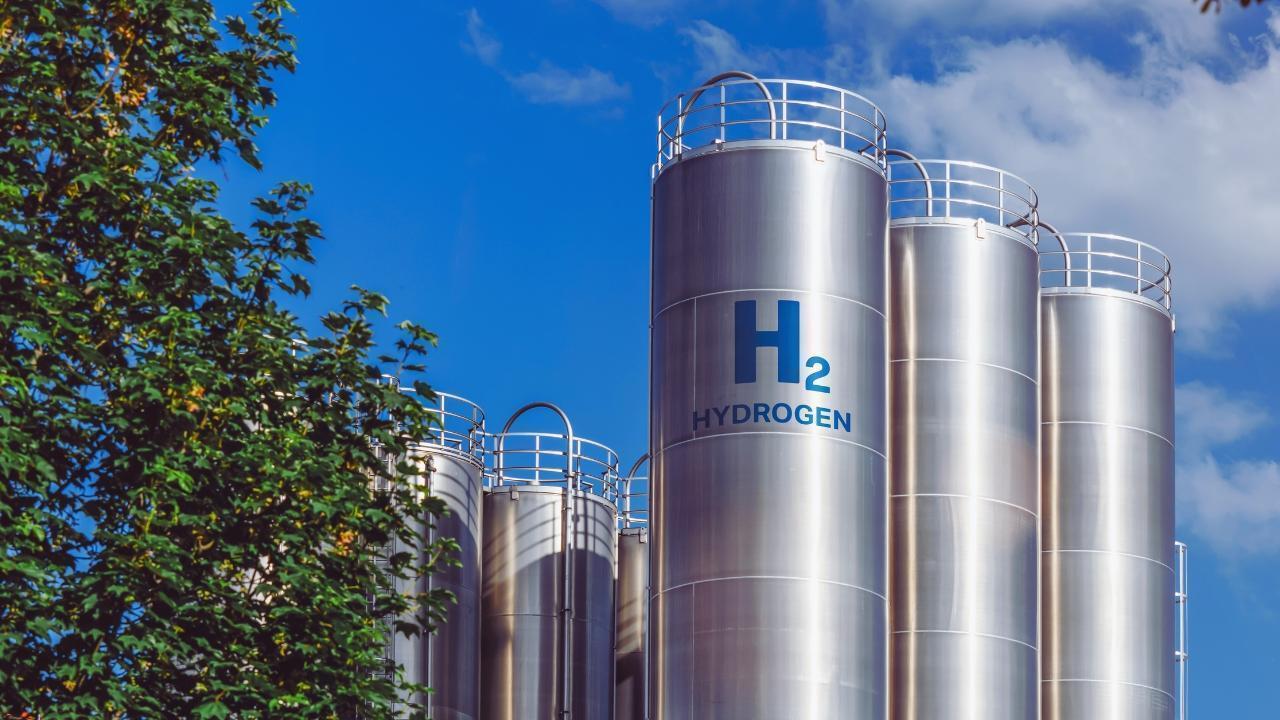
Post by : Anis Farhan
In 2025, as countries race to meet ambitious climate goals, green hydrogen has emerged as a front-runner in the clean energy sweepstakes. And one unlikely contender is leading the charge in Southeast Asia: Singapore.
Despite having limited land, no natural hydrogen reserves, and high energy costs, Singapore is positioning itself as a regional hub for hydrogen technology, trade, and certification. With multi-billion-dollar public-private investments, new pilot projects, and international partnerships, the island nation is turning hydrogen from a buzzword into a blueprint.
But is this gamble a calculated strategy — or a high-stakes bet that could fall flat?
Green hydrogen is produced by using renewable energy (like solar or wind) to split water molecules into hydrogen and oxygen — a process known as electrolysis. The result is a zero-emission fuel that can power everything from industrial plants to airplanes, without relying on fossil fuels.
It’s particularly attractive for hard-to-abate sectors: heavy industry, long-haul freight, maritime shipping — areas where electrification is limited or inefficient.
For Singapore, which imports nearly all its energy, green hydrogen offers a way to:
Decarbonize core sectors like aviation and port logistics
Diversify energy sources beyond LNG and solar
Export green services, such as hydrogen bunkering, certification, and tech
In late 2024, Singapore launched its National Hydrogen Strategy Implementation Roadmap, outlining plans to:
Meet up to 50% of its power needs from low-carbon hydrogen by 2050
Develop hydrogen-ready infrastructure at Jurong Island
Pilot import corridors from Australia, the Middle East, and Indonesia
Build the region’s first hydrogen certification lab in partnership with TÜV SÜD
Among the notable pilots:
Keppel and Shell are co-developing a hydrogen-powered microgrid project
PSA Singapore, the port operator, is testing hydrogen fuel cell drayage trucks
A new startup incubator is funding local innovation in hydrogen storage and safety tech
The government is backing these with $5 billion in green innovation grants — part of a broader climate financing plan that positions Singapore as the “Silicon Valley of Climate Tech” in ASEAN.
Singapore doesn’t intend to produce all of its hydrogen domestically. Instead, it wants to become a processing and distribution hub, much like it did with oil decades ago.
It is negotiating long-term green hydrogen import agreements with:
Australia, via SunCable and the Asia Renewable Energy Hub
Indonesia, through solar-powered electrolysis plants in Batam and Sumatra
Middle Eastern suppliers, who are exploring synthetic ammonia and hydrogen exports to Asia
In this model, Singapore acts as the interface between global hydrogen producers and ASEAN consumers. Its location, infrastructure, and trade diplomacy make it an ideal candidate.
This could also benefit neighboring countries like Malaysia and Indonesia, who can plug into Singapore’s hydrogen value chain by exporting power or tech components — creating a regional hydrogen economy.
Despite its promise, green hydrogen faces serious hurdles:
Cost: At $4–6/kg, green hydrogen is still significantly more expensive than grey (fossil-based) hydrogen or LNG.
Efficiency: Electrolysis and reconversion have energy losses of 30–50%, raising concerns about net efficiency.
Storage and transport: Hydrogen is hard to contain, highly flammable, and requires new infrastructure for safe transit.
Regulatory gaps: ASEAN currently lacks a unified certification or safety framework for hydrogen.
Singapore’s government acknowledges these risks but sees early-mover advantage as a way to shape norms and export expertise — similar to how it pioneered carbon markets in Asia.
The timing is also strategic. Singapore has pledged to achieve net-zero emissions by 2050. But with limited renewable capacity at home, it must find alternative decarbonization tools — and hydrogen fits the bill.
Hydrogen also strengthens Singapore’s geopolitical narrative as a neutral, high-tech, green innovation hub — something increasingly important as global supply chains decouple and climate diplomacy intensifies.
If successful, Singapore could help shape a future where green energy is traded like oil and gas — but without the carbon baggage.
Singapore’s hydrogen gamble is bold, and the road ahead is complex. Yet it reflects a broader trend: small states can lead in climate tech not by outproducing others, but by outthinking them — through smart regulation, innovation, and international partnerships.
As green hydrogen scales globally, Singapore’s model could offer a repeatable template for other resource-limited nations: become a hub, not just a consumer.
Whether it becomes the “Dubai of Hydrogen” or a case study in climate ambition gone awry, one thing is clear — Singapore’s bet is reshaping the conversation about clean energy in Southeast Asia.
This article is intended for editorial and informational purposes only. It does not constitute investment advice or environmental strategy counsel. Readers should consult subject matter experts and national regulatory sources before acting on energy transition insights.







PM Modi Pays Tribute to Mahatma Gandhi, Urges People to Support Khadi
PM Modi pays tribute to Mahatma Gandhi on Gandhi Jayanti and urges citizens to support Khadi and the

Amazon Seeks to Offload $8 Billion in Nvidia Chips to Investors
Amazon plans to move $8 billion in Nvidia chips to investors, using a new financing model to strengt

Samsung Raises Galaxy S26 Prices as Memory Chip Costs Rise
Samsung raises Galaxy S26 prices in South Korea as rising memory chip costs put pressure on smartpho

Lewis Hamilton Calls Singapore Grand Prix One of F1's Toughest Races
Lewis Hamilton discusses the demanding Singapore Grand Prix and brings Plus44 and Almave to Singapor

Denmark's Pandora Opens World's Largest Jewellery Factory in Vietnam
Pandora opens its largest jewellery factory in Vietnam, expanding global production, strengthening s

Gautam Gambhir Questions Batting-Friendly Pitches After India's Record ODI Chase
Gautam Gambhir questions batting-friendly ODI pitches after India’s record chase, calling for a bett

