
You have not yet added any article to your bookmarks!
Join 10k+ people to get notified about new posts, news and tips.
Do not worry we don't spam!
Post by : Anis Farhan
Asia is experiencing a transformative digital revolution as urban centers integrate smart city technologies powered by 5G networks. From Singapore’s urban planning innovations to South Korea’s connected infrastructure, governments and private sectors are leveraging advanced connectivity to optimize city operations, improve sustainability, and enhance citizens’ quality of life. Smart cities are no longer a futuristic concept—they are evolving rapidly across Asia, supported by ultra-fast 5G networks that enable real-time data collection, artificial intelligence, and IoT connectivity. This digital landscape is redefining urban living, governance, and economic growth across the continent.
Urbanization in Asia has accelerated dramatically over the past decades. Megacities like Tokyo, Shanghai, Jakarta, and Mumbai face challenges including traffic congestion, pollution, energy management, and resource allocation. Smart city initiatives aim to address these issues by integrating technology into urban planning and municipal services. By deploying sensors, IoT devices, and AI-powered management systems, cities can monitor traffic flow, optimize energy consumption, and deliver efficient public services. For citizens, this translates into safer, more convenient, and environmentally sustainable urban experiences.
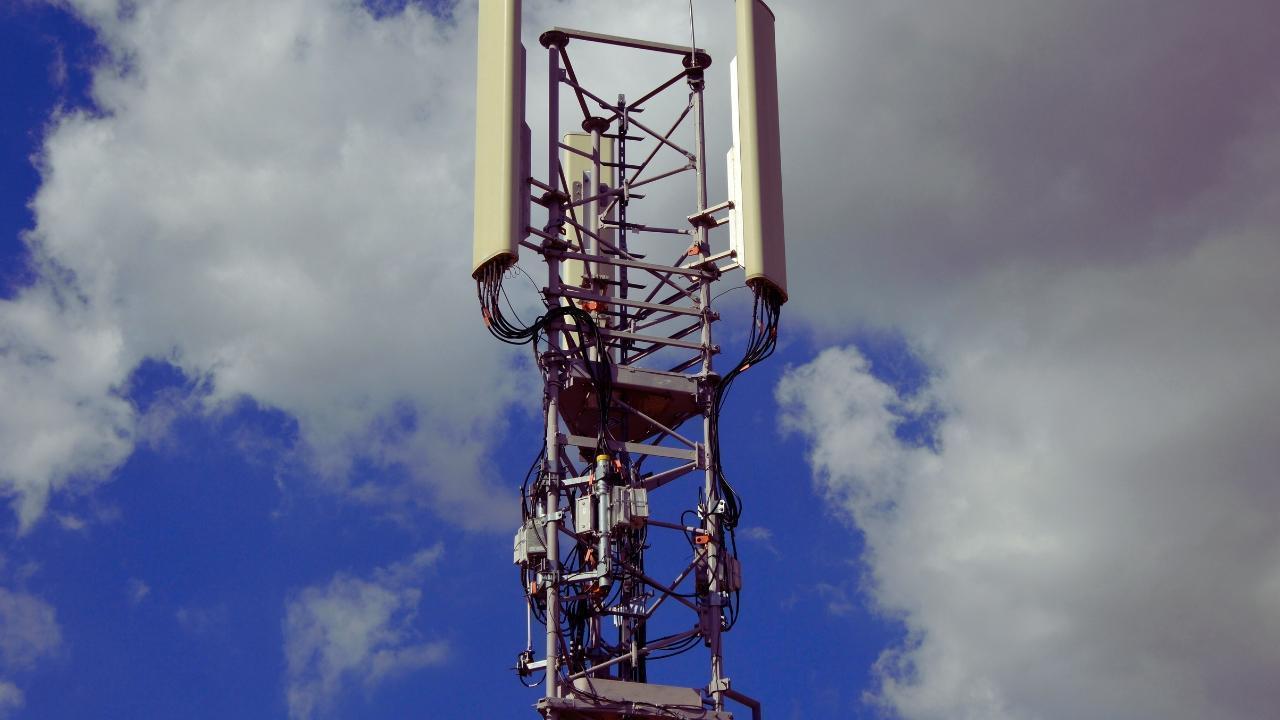
The rollout of 5G networks is crucial to the development of smart cities. Unlike 4G, 5G offers ultra-low latency, high-speed connectivity, and the ability to handle massive device networks simultaneously. These capabilities enable real-time communication between devices, vehicles, public infrastructure, and emergency systems. In practice, 5G supports autonomous public transport, smart grids, intelligent traffic control, remote healthcare, and enhanced security monitoring. Cities equipped with 5G infrastructure can harness data more efficiently, paving the way for predictive analytics and AI-driven urban management.
Singapore is a pioneer in smart city initiatives, utilizing a combination of sensors, cameras, and data analytics to monitor urban systems. The city-state’s Smart Nation program focuses on mobility, digital governance, and citizen engagement, demonstrating the potential of integrated urban planning.
South Korea, particularly Seoul, has leveraged 5G networks to create a hyper-connected city ecosystem. Applications include autonomous buses, AI-powered surveillance, smart healthcare facilities, and enhanced public safety measures.
China has launched multiple smart city pilot projects in cities like Shenzhen and Hangzhou. The focus includes AI integration, IoT-enabled infrastructure, and digital governance platforms to improve efficiency and environmental management.
The integration of 5G and smart technologies provides numerous benefits:
Efficient Resource Management: Real-time monitoring of energy consumption, water supply, and waste management reduces costs and environmental impact.
Enhanced Public Safety: Smart surveillance systems and predictive policing models help prevent crimes and improve emergency response times.
Improved Mobility: AI-controlled traffic lights, autonomous vehicles, and dynamic route planning reduce congestion and travel time.
Healthcare Innovation: Telemedicine, remote monitoring, and AI diagnostics make healthcare more accessible and responsive.
Economic Growth: Smart city infrastructure attracts investment, encourages entrepreneurship, and supports the development of new tech-driven industries.
Despite their promise, smart cities face challenges:
Data Privacy and Security: Massive data collection raises concerns about surveillance, personal privacy, and potential cyber threats.
High Costs: Implementing smart infrastructure requires significant investment in technology, maintenance, and skilled workforce.
Digital Divide: Ensuring equitable access to smart services is critical, particularly for marginalized communities.
Regulatory Frameworks: Cities must develop policies to govern data usage, technology adoption, and public-private partnerships.
5G technology enables advanced applications that were previously impractical:
Autonomous Public Transportation: Real-time vehicle-to-vehicle and vehicle-to-infrastructure communication improves safety and efficiency.
Smart Healthcare: Remote surgeries, wearable health devices, and AI diagnostics are feasible in real-time with reliable 5G networks.
Connected Industries: Manufacturing, logistics, and energy sectors benefit from IoT-enabled monitoring and automation.
Augmented Reality Applications: AR tools support urban planning, tourism, and education, enriching citizens’ interaction with the city environment.
Environmental sustainability is a core goal of smart city development. Sensors monitor pollution, energy usage, and waste, allowing authorities to implement proactive measures. 5G enables real-time alerts and data-driven decision-making, supporting greener transportation networks, smart grids, and energy-efficient buildings. By integrating technology with sustainable urban planning, cities can reduce carbon footprints and enhance overall livability.
The future promises hyper-connected, intelligent cities with AI-driven urban management. Integration with renewable energy, autonomous vehicles, and digital governance platforms will enhance efficiency and citizen engagement. Asian smart cities are likely to serve as global models, influencing urban planning worldwide. The fusion of technology, sustainability, and governance demonstrates how 5G can transform cities into vibrant, resilient, and adaptive ecosystems.
Smart cities, powered by 5G, are redefining the urban experience in Asia. From improved mobility and energy efficiency to advanced healthcare and citizen engagement, the integration of technology is creating smarter, safer, and more sustainable urban environments. While challenges such as data security, costs, and equitable access remain, the benefits and potential of smart city technologies are undeniable. As Asia continues to lead the global digital urban revolution, these smart cities provide a blueprint for the future of connected living worldwide.
This article is intended for informational purposes only. All insights are based on publicly available data and trends in urban development and technology. Readers should consult official sources for specific policies, regulations, or technology adoption strategies in individual cities.









Harmanpreet Kaur Steps Down as India Captain Across All Formats
Harmanpreet Kaur steps down as India captain across all formats after a remarkable leadership journe

Michael Bracewell Chooses Casual Contract, Targets BBL Opportunity
Michael Bracewell moves to a casual contract as he eyes a BBL opportunity while remaining available

Tuchel Says Alex Scott Can Challenge Declan Rice for England Midfield Spot
Thomas Tuchel says Alex Scott can challenge Declan Rice for an England midfield place after his impr
Air Quality Turns Unhealthy in Central and Western Singapore Amid Haze
Singapore haze pushes PSI above 100 in central and western areas as smoke from regional hotspots rai

PM Modi Pays Tribute to Mahatma Gandhi, Urges People to Support Khadi
PM Modi pays tribute to Mahatma Gandhi on Gandhi Jayanti and urges citizens to support Khadi and the

Amazon Seeks to Offload $8 Billion in Nvidia Chips to Investors
Amazon plans to move $8 billion in Nvidia chips to investors, using a new financing model to strengt

