
You have not yet added any article to your bookmarks!
Join 10k+ people to get notified about new posts, news and tips.
Do not worry we don't spam!
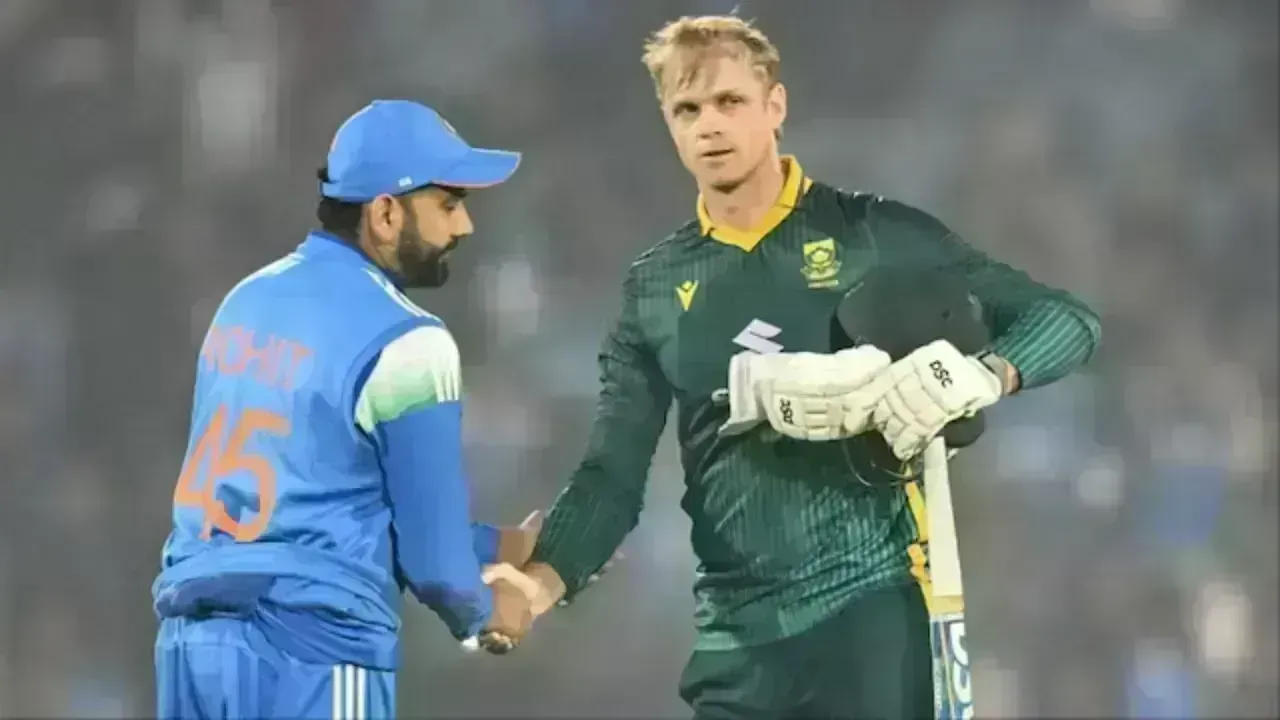
Post by : Anis Farhan
Photo: Screengrab@JioHotstar
When two world-class cricketing nations meet, expectations naturally soar. Yet, the second One Day International between India and South Africa delivered more than just a result; it altered the emotional heartbeat of the entire series. India arrived with confidence built on form and reputation, while South Africa walked in with the urgency of a side determined not to fade quietly. What unfolded was a match defined not merely by runs and wickets, but by moments of nerve, clarity, and bold decision-making.
The contest became a showcase of why limited-overs cricket continues to captivate global audiences. From the opening overs to the closing chase, the game maintained intensity, punctuated by brilliance from unexpected quarters and pressure that tested even the most seasoned performers. For fans, analysts, and casual observers alike, the second ODI offered lessons in preparation, patience, and the power of momentum.
This result did more than put South Africa back into contention. It opened fresh debates over team combinations, player form, and the ability of both teams to adapt away from comfort zones. The series, once expected by many to lean decisively in one direction, suddenly felt wide open.
Ahead of the match, the spotlight shone firmly on India. Their recent performances had painted a picture of dominance, consistency, and depth across departments. Every position seemed covered by experience or emerging talent, leaving little room for weakness. South Africa, on the other hand, faced scrutiny. Calls for change, experimentation, and revival echoed across commentary rooms and press conferences.
For India, the challenge was not just physical but psychological. High expectations can be both fuel and burden. Entering the second ODI, anything short of a convincing display risked sparking critical conversations. For South Africa, the equation was simpler yet harsher: win or face a steep uphill climb for relevance in the series.
The sense of occasion was unmistakable. Stadium lights, television glare, and packed seating transformed a routine bilateral into a charged battlefield. Players knew this was not a match to drift through. It was one to command.
One of the most impressive elements of South Africa’s performance was their composure. From the opening overs, they looked like a team that had done its homework. Bowling changes were timely, field placements were thoughtful, and batters made decisions with clarity rather than impulse.
South Africa’s bowlers refused to gift momentum. Instead of chasing miracle deliveries, they focused on tight lines, smart variations, and sustained pressure. Dot balls accumulated, frustration grew, and mistakes followed. Indian batters found themselves unable to settle into rhythm, often forced into strokes they would normally avoid.
Each bowler played a role that mirrored a larger strategy. Some attacked, others contained, but all executed with awareness of the wider plan. This unified approach dismantled India’s usually reliable top and middle order.
Fielding often decides close contests, and South Africa treated it as a weapon rather than a defensive measure. Sharp catches, athletic stops, and throwing accuracy ensured India never felt comfortable. Boundaries were denied, singles were turned into nervous dashes, and every run felt earned.
Energy in the field spread into the dugout. Every success fed belief, and belief bred confidence. As overs ticked away, it became clear that South Africa was playing not just to compete, but to dominate.
For a team accustomed to controlling games, the second ODI was an uncomfortable reminder that reputation alone does not win matches. India’s struggles were not due to a lack of skill, but rather a series of moments where decision-making faltered and execution failed.
India’s batting lineup, stacked with experience, never quite fired in unison. Starts were made but rarely converted into commanding innings. Partnerships, the backbone of any ODI scorecard, could not be sustained. Each wicket seemed to arrive just as stability threatened to take shape.
Shot selection also drew attention. Several dismissals appeared avoidable, the result of impatience or misjudgment rather than brilliance from the opposition. In a match where discipline was rewarded, India paid the price for fleeting lapses.
India’s bowlers faced a different challenge: how to break partnerships when momentum flows against you. Despite efforts to contain, South Africa’s batters showed intent and intelligence. They rotated strike with ease and punished rare loose deliveries.
Plans were attempted, but adjustments arrived too late. By the time fields changed or bowling variations appeared, the tide had already turned. This lack of proactive responses cost India dearly.
Every match has a moment that tilts the balance. In the second ODI, it came through a combination of a crucial partnership and a missed opportunity in the field. A dropped chance, followed by a boundary, followed by another error, created a sequence India would regret.
South Africa seized this window without mercy. What could have been a collapse became consolidation. What might have been a chase under pressure turned into a display of assured progression.
This phase highlighted the difference between survival and control. South Africa sought the latter, and for a critical stretch, achieved it.
Cricket often doubles as a classroom for leadership, and this match was no different. Captains on both sides faced demanding situations that called for clarity and courage.
South Africa’s leadership stood out for decisiveness. Changes were quick, communication appeared clear, and trust in players remained constant even when plans needed revision. India’s leadership, though experienced, seemed reactive rather than anticipatory on the day.
In elite sport, leadership is not judged over a single match, but moments like these reveal patterns that can shape future outcomes.
Within minutes of the final moment, reactions flooded digital platforms. Indian fans expressed disappointment mixed with appreciation for South Africa’s effort. South African supporters, meanwhile, celebrated a performance that reasserted pride and belief.
Former players added analysis, fans debated selections, and commentators dissected strategies. The match transformed from a sporting event into a shared cultural experience, played again through pixels and opinions.
What stood out most was the respect both sides commanded. The tone may have varied, but recognition of quality remained universal.
With the series now in a more balanced position, anticipation has doubled. India, stung by defeat, will approach the next match with renewed urgency. South Africa, buoyed by success, must guard against complacency.
Team selections will be scrutinized. Form will be dissected. Tactics will evolve. Each side knows that another slip could redefine the series entirely.
For neutral fans, this is the ideal scenario. A contest once predictable has now become compelling.
Beyond the immediate impact, the second ODI offered broader insights into modern cricket. It reminded observers that preparation outweighs prediction, teamwork outshines stardom, and adaptability separates good teams from great ones.
For South Africa, the victory restored narrative. It reaffirmed their ability to challenge, regroup, and rise. For India, it provided a valuable mirror, reflecting areas that demand attention despite overall excellence.
This match will be remembered not just for who won, but for how the game unfolded. It was a reminder that cricket remains wonderfully unpredictable.
The second ODI did not merely end with a result; it reopened the story of the series. South Africa’s victory injected emotion, rivalry, and drama. India’s loss sparked introspection and resolve.
As both teams prepare for what lies ahead, one thing is certain: the series is very much alive. And for fans across borders, that is the greatest victory of all.
Disclaimer:
This article is based on publicly observed match developments and general analysis intended for informational purposes only. The views expressed do not represent official statements from any team, player, or governing body.








Beauden Barrett Opens Up About Mental Struggles During All Blacks Exile
Beauden Barrett discusses his confidence struggles after missing six tests, his return against Austr

IMF Says AI Investment Supports Global Growth Despite Energy Shock
IMF says AI investment is supporting global growth near 3%, with Asian economies benefiting from ris

Will O'Rourke Ruled Out of New Zealand's India Series
New Zealand fast bowler Will O'Rourke will miss the India series with hamstring and calf injuries as

AI Companies Expected to Drive Most US Earnings Growth in Q3
AI companies are expected to drive US third-quarter earnings growth as investors assess tech profits

Money Market Funds See Record Inflows as Global Bond Selloff Intensifies
Global money market funds attract $153.81 billion as bond yields rise, inflation fears persist and i

Meta Bans TikTok Ads on Facebook and Instagram in Seven Countries
Meta has banned TikTok ads in seven countries, escalating competition over social media users, adver

