
You have not yet added any article to your bookmarks!
Join 10k+ people to get notified about new posts, news and tips.
Do not worry we don't spam!
Post by : Samjeet Ariff
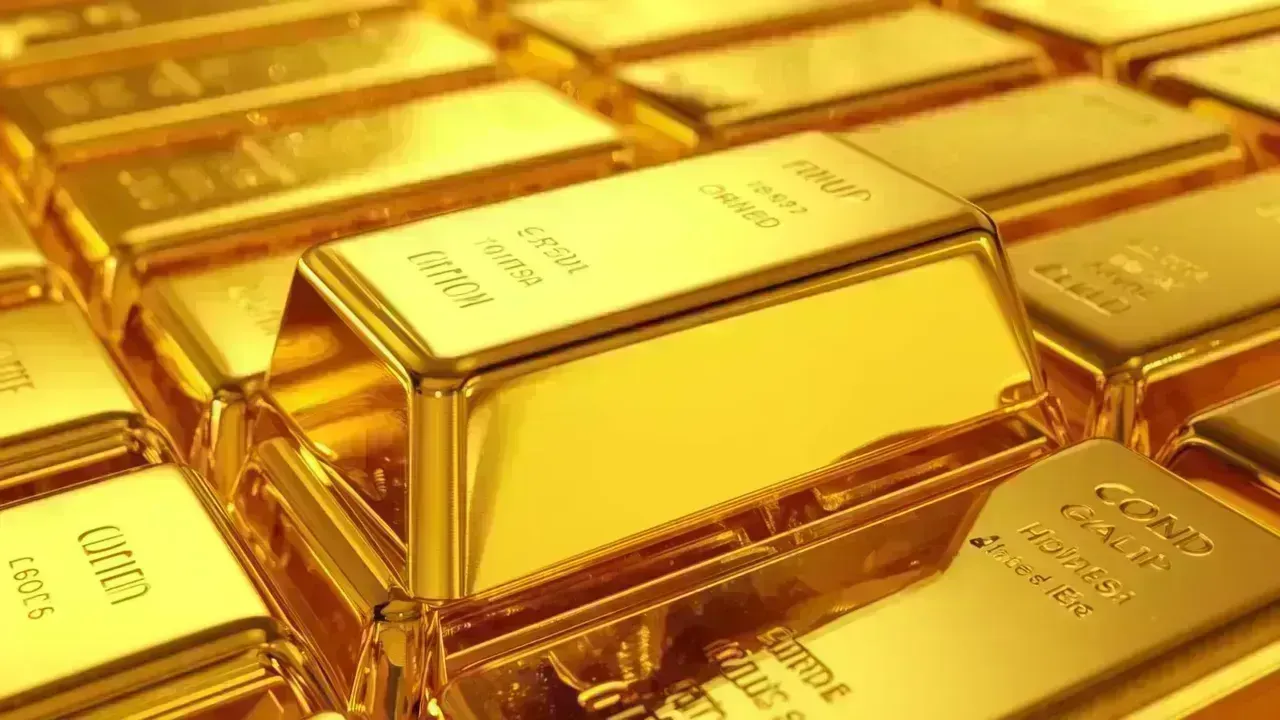
Gold and silver, traditionally viewed as safe havens, are witnessing a notable rise in value even as tensions between the United States and Iran show signs of easing. Generally, increased geopolitical strife drives up the prices of these precious metals, yet the current trend defies expectations, continuing an upward trajectory.
This underscores the complexity of the global financial landscape, revealing that numerous factors beyond geopolitical situations are at play.
While concerns regarding the US and Iran are subsiding, the broader economic climate remains precarious. Nations grapple with slow growth, high inflation, and mounting debt, struggling to restore stability after numerous global disruptions.
Investors are evaluating the overall economic landscape rather than singular events. With recession anxieties, lackluster job markets, and financial instability lurking, many gravitate towards gold and silver, appreciating their historical value and reliability as wealth preservation tools. This enduring uncertainty reinforces the strong demand for these metals.
Inflation persists as a significant concern for both personal and institutional investors. Although some regions report slowing inflation rates, essential cost-of-living challenges remain acute. Skyrocketing prices for food, fuel, and housing stretch budgets globally.
Gold and silver are often seen as effective shields against inflation, maintaining value as paper currencies decline. As fear of currency depreciation lingers, more investors are turning to these historical assets, thus driving prices upward despite a decrease in geopolitical tension.
An underappreciated force in the rising cost of gold is the aggressive buying from central banks worldwide. Many nations are actively expanding their gold reserves, motivated by a desire for reduced reliance on foreign currencies and improved financial stability.
Gold is regarded as a reliable hedge during economic downturns. As central banks acquire gold in significant quantities, it creates robust market demand, consequently supporting higher prices over time.
Interest rates significantly affect the appeal of gold and silver. As rates rise, investors favor fixed-income channels, but expectations of declines in interest rates can shift this trend.
Speculation surrounding potential interest rate cuts by central banks bolsters the attractiveness of non-yielding assets like gold and silver, thereby contributing to the upward price movement.
Fluctuation in the US dollar's strength is pivotal in shaping gold and silver values. When the dollar weakens, both metals become less costly for international investors, spurring demand and influencing prices positively.
The recent volatility in the US dollar, prompted by economic uncertainties, enhances the international allure of gold and silver, further driving their prices upward.
Silver's dual role as both an investment and a crucial industrial commodity sets it apart from gold. The growing emphasis on renewable energy and cutting-edge technology is spurring significant demand for silver.
As it is integral to solar panels, electric vehicles, and various electronic devices, increased investment in sustainable technologies will likely escalate silver demand, providing a firm support base for its pricing.
Despite the recent easing of US-Iran tensions, the geopolitical landscape continues to be fraught with uncertainty, marked by various regional disputes and political instability worldwide.
Investors remain wary of the potential for sudden changes in geopolitical situations, emphasizing the desire for safe investments in light of unpredictable global events.
Market sentiment considerably influences price movements. Investors often act on expectations rather than concrete developments, and current uncertainty fosters a cautious approach.
Many are diversifying away from volatile options such as equities, opting instead for safer assets like gold and silver, which align with a strategy focused on stability, fuelling the metals' price surge.
Investors should remain vigilant of critical factors that could influence gold and silver prices moving forward, including inflation trends, central bank policies, interest rate shifts, currency fluctuations, and industrial demands.
Monitoring how major economies react to ongoing challenges and any resurfacing geopolitical tensions will offer invaluable insights into future pricing trends, aiding investment decisions.
This article is designed to provide information only and is not intended as financial advice. Market conditions are variable, and it’s recommended to consult a financial advisor prior to making investment choices.
#Business News #Gold prices today #Business & economy #Market Analysis #Finance News #Silver










PM Modi Pays Tribute to Mahatma Gandhi, Urges People to Support Khadi
PM Modi pays tribute to Mahatma Gandhi on Gandhi Jayanti and urges citizens to support Khadi and the

Amazon Seeks to Offload $8 Billion in Nvidia Chips to Investors
Amazon plans to move $8 billion in Nvidia chips to investors, using a new financing model to strengt

Samsung Raises Galaxy S26 Prices as Memory Chip Costs Rise
Samsung raises Galaxy S26 prices in South Korea as rising memory chip costs put pressure on smartpho

Lewis Hamilton Calls Singapore Grand Prix One of F1's Toughest Races
Lewis Hamilton discusses the demanding Singapore Grand Prix and brings Plus44 and Almave to Singapor

Denmark's Pandora Opens World's Largest Jewellery Factory in Vietnam
Pandora opens its largest jewellery factory in Vietnam, expanding global production, strengthening s

Gautam Gambhir Questions Batting-Friendly Pitches After India's Record ODI Chase
Gautam Gambhir questions batting-friendly ODI pitches after India’s record chase, calling for a bett

