
You have not yet added any article to your bookmarks!
Join 10k+ people to get notified about new posts, news and tips.
Do not worry we don't spam!
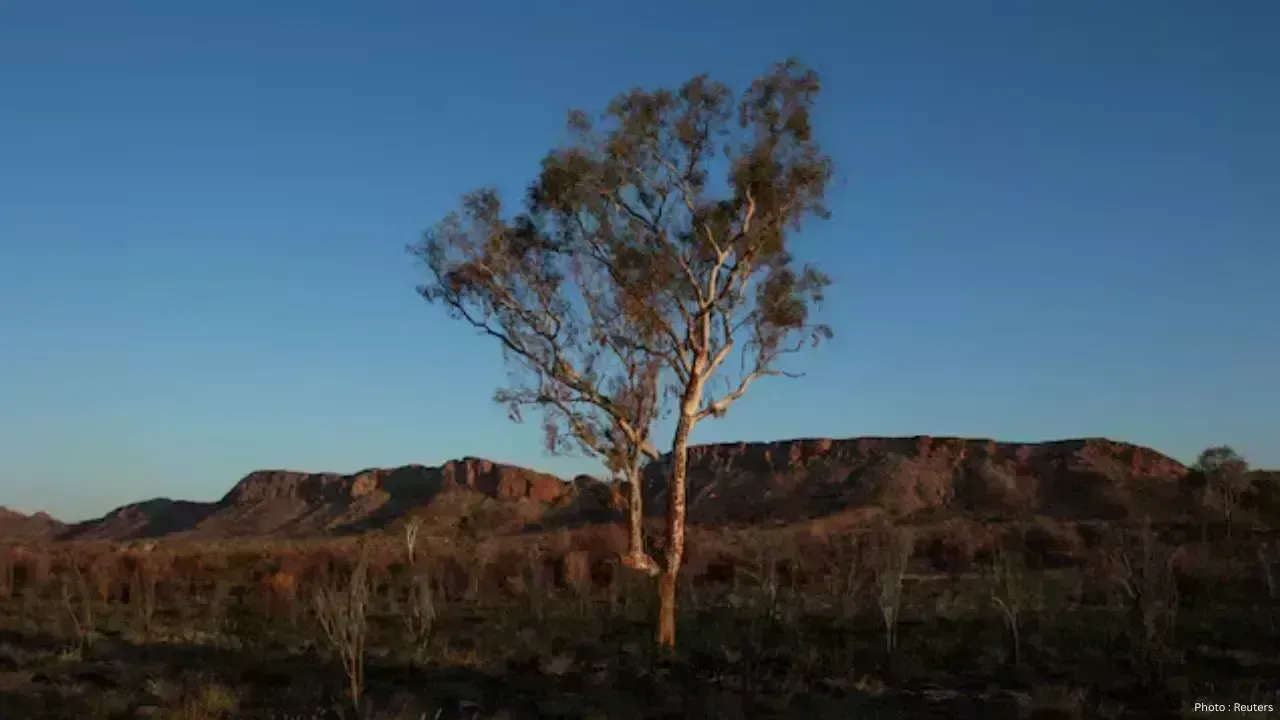
Post by : Saif Rahman
The looming threat of climate change is increasingly endangering plant species globally, as escalating temperatures, altered weather patterns, and diminishing natural habitats disrupt various ecosystems including forests, grasslands, wetlands, and mountains.
Researchers and environmentalists caution that many plant species might find it difficult to endure if global temperatures rise unchecked. Studies indicate that climate variations necessitate quick adaptations from plants, yet numerous species are losing the cherished environments critical for their growth and survival.
Plants are essential for sustaining life on Earth, providing oxygen, nutrition, medicine, and habitat for wildlife. Ecosystems like forests, wetlands, and grasslands also play crucial roles in temperature regulation, carbon dioxide absorption, and the preservation of soil and water.
Environmental studies reveal that habitat destruction is emerging as one of the significant threats to plant life worldwide. Rising temperatures, prolonged droughts, intense floods, wildfires, and shifting rainfall patterns are wreaking havoc on ecosystems that have evolved over thousands of years.
While some plant species can gradually adapt, others are at risk due to the abrupt nature of climatic changes. Particularly vulnerable are rare plants located in isolated regions such as mountains and islands, which have limited options for relocation or adaptation.
Climate change impacts plants in various ways; for example, higher temperatures can shift growing seasons, diminish water resources, elevate disease susceptibility, and disrupt pollination mechanisms involving birds and insects.
Many areas are already experiencing tangible environmental changes. Increasingly frequent forest fires are reported in several countries, while droughts continue to harm both vegetation and agricultural lands. Rising sea levels pose additional threats to coastal habitats that host unique plant species.
The potential extinction of plant species could have profound implications for wildlife and human communities alike. Animals that rely on specific plants for nutrition and shelter may also encounter existential threats as their ecosystems face instability.
Agricultural industries could also feel the pinch from climate-related plant losses, leaving farmers reliant on stable climates for their harvests vulnerable to the extremes of heat, water scarcity, and soil degradation, which could escalate financial struggles for rural areas.
Experts are raising alarms that biodiversity loss may become one of the foremost global environmental challenges in upcoming decades. Biodiversity encompasses the range of plant and animal species indispensable for nourishing healthy ecosystems and maintaining balance within nature.
As plant diversity dwindles, ecosystems often weaken and become less equipped to cope with environmental stresses. Healthy natural habitats typically aid in carbon dioxide absorption and climate mitigation; however, damaged ecosystems lose this vital capacity.
The links between climate change and greenhouse gas emissions from various sectors, including industry, transport, fossil fuel combustion, and deforestation, are clear. Environmental organizations continue to advocate for governments to enact emission reductions and invest in renewable energy and conservation.
Numerous nations are amplifying efforts to safeguard forests, rehabilitate damaged landscapes, and broaden environmental protection legislation. Initiatives like reforestation and wildlife conservation are championed as pivotal measures to combat climate degradation.
Furthermore, scientists assert that global collaboration is crucial, as climate change transcends national boundaries. Environmental issues stemming from rising temperatures often impact global food systems, water availability, health conditions, and economic stability.
This scenario underscores the urgency of preserving natural habitats before species face irreversible extinction. Certain plants may hold unknown medicinal benefits or ecological relevance that humanity has yet to uncover.
Across the globe, young people are becoming more involved in climate advocacy and environmental conservation activities, as educational institutions and community organizations foster public engagement in these vital efforts.
Experts assert that everyday individuals can contribute through simple actions such as minimizing waste, planting trees, conserving water, utilizing cleaner energy, and endorsing sustainable environmental policies.
The latest findings on habitat reduction highlight the long-term repercussions of climate change on the natural world. Scientists emphasize that environmental protection encompasses not just wildlife and forests but must also encompass human survival and future generations' welfare.
With growing urgency, governments, industries, and communities are feeling increasing pressure to act resolutely against climate threats before irreversible damage occurs. Environmental experts believe that prompt, decisive actions today may mitigate more severe ecological and economic crises ahead.
The message concerning global plant species echoes a broader reality our planet faces. Climate change is no longer a distant concern for future generations; its impacts are unmistakably present across various ecosystems, economies, and everyday lives around the globe.










PM Modi Pays Tribute to Mahatma Gandhi, Urges People to Support Khadi
PM Modi pays tribute to Mahatma Gandhi on Gandhi Jayanti and urges citizens to support Khadi and the

Amazon Seeks to Offload $8 Billion in Nvidia Chips to Investors
Amazon plans to move $8 billion in Nvidia chips to investors, using a new financing model to strengt

Samsung Raises Galaxy S26 Prices as Memory Chip Costs Rise
Samsung raises Galaxy S26 prices in South Korea as rising memory chip costs put pressure on smartpho

Lewis Hamilton Calls Singapore Grand Prix One of F1's Toughest Races
Lewis Hamilton discusses the demanding Singapore Grand Prix and brings Plus44 and Almave to Singapor

Denmark's Pandora Opens World's Largest Jewellery Factory in Vietnam
Pandora opens its largest jewellery factory in Vietnam, expanding global production, strengthening s

Gautam Gambhir Questions Batting-Friendly Pitches After India's Record ODI Chase
Gautam Gambhir questions batting-friendly ODI pitches after India’s record chase, calling for a bett

