
You have not yet added any article to your bookmarks!
Join 10k+ people to get notified about new posts, news and tips.
Do not worry we don't spam!
Post by : Samjeet Ariff
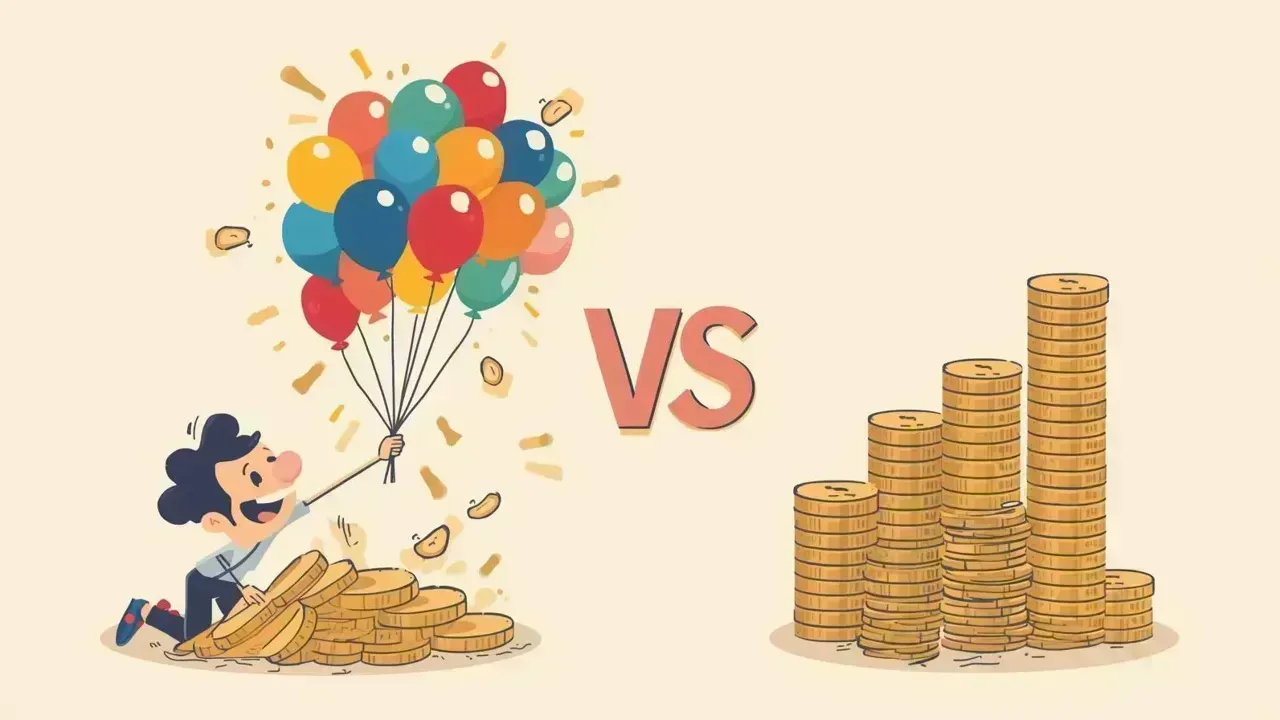
In our rapidly changing economic landscape, numerous individuals consciously opt for immediate comfort instead of long-term financial strategies. This choice is seldom random; it arises from emotional necessities, societal expectations, mental exhaustion, and a craving for quick relief. While future financial plans suggest security, they often seem abstract compared to the instant gratification comfort offers.
People are inclined to prioritize rewards that are tangible and immediate. Future incentives appear uncertain, while present comforts seem assured.
• Acquiring items brings instant joy
• Future savings feel gradual and unseen
• Delayed gratification requires self-discipline
• Stress triggers emotional spending habits
This cognitive bias makes choices driven by comfort more appealing than those focused on planning.
Daily life is filled with choices — from work to health to finances and beyond. By day’s end, cognitive energy is depleted.
• Comfort-seeking decisions necessitate minimal thought
• Financial strategies demand more focus and effort
• Exhaustion erodes self-discipline
• Small purchases can feel insignificant at the time
When mentally drained, individuals often revert to easier, albeit less financially sound, choices.
As income rises, lifestyle standards spontaneously elevate as well. Comfort becomes a new norm rather than a rare treat.
• Newer gadgets and vehicles are seen as essential
• Social media normalizes higher expenditures
• Lifestyle comparisons heighten pressure
• Declining an offer feels like missing out
These factors quietly urge individuals towards short-term gratification rather than prudent planning.
Many postpone financial planning, believing future earnings will remedy current overspending.
• Promotions are anticipated
• Bonuses are spent in their minds before arrival
• Retirement plans seem distant
• Emergencies feel improbable
This perspective delays necessary actions until financial urgency becomes unavoidable.
Spending for comfort often stems from emotions rather than logic.
• Food, holidays, and shopping provide fleeting happiness
• Expenditure offers a sense of control
• Planning feels constrictive when under stress
• Emotional comfort supersedes rational judgment
Unfortunately, such relief is temporary, whereas financial repercussions endure longer.
Long-term financial planning struggles to match the allure of comfort as it lacks immediate rewards.
• Savings don’t offer instant gratification
• Investment growth demands time and patience
• Day-to-day benefits remain concealed
• Self-discipline may feel like a burden
Without short-term incentives, planning can appear dull compared to spending for comfort.
Repeatedly choosing comfort alters financial habits, gradually undermining stability.
• Savings often fall short
• Accumulated debt becomes acceptable
• Emergency funds remain incomplete
• Financial anxiety escalates
What seems harmless in isolation can be detrimental when practiced consistently.
Each comfort-driven choice comes with hidden implications.
• Additional spending reduces future options
• Neglected savings prolong financial independence
• Debt restricts life decisions
• Stress heightens during financial crises
While security is quietly established, comfort is loudly recognized — making the trade-off challenging to detect.
Regret typically surfaces when the repercussions of choices become evident.
• Health crises illustrate inadequate savings
• Employment loss reveals financial vulnerability
• Family obligations amplify stress
• Retirement planning feels hasty
At this moment, prior comfort fails to offer protection.
Achieving financial stability doesn’t mean fully removing comfort; it requires mindful management.
• Set limits on guilt-free spending
• Prioritize automatic savings before expenditures
• Plan for enjoyment without excess
• Review finances on a monthly basis
• Celebrate discipline with measured comforts
A balanced approach works more effectively than outright denial.
Reframing planning in a positive light simplifies the process.
• Planning provides freedom, not confinement
• Savings symbolize opportunities, not sacrifices
• Discipline fosters long-term comfort
• Stability alleviates emotional strain
When planning is associated with peace of mind, it transforms into an emotionally rewarding experience.
True comfort isn’t found in constant spending but in achieving financial peace.
• Confidence in handling emergencies
• Freedom to shift careers or lifestyles
• Diminished anxiety regarding finances
• Lasting independence
While this kind of comfort may be subtle, it endures and intensifies over time.
Immediate comfort often prevails due to its tangible, emotional nature, while long-term financial planning can feel laborious and slow. However, comfort without a plan can undermine long-term stability. The solution lies not in choosing one over the other, but in learning to balance both. When planning becomes habitual rather than a chore, it ultimately yields the richest form of comfort — safety, control, and tranquility.
This content serves informational needs only and should not be considered financial or investment guidance. Individual circumstances vary, and readers should evaluate their personal situations or consult a qualified expert prior to making decisions.










PM Modi Pays Tribute to Mahatma Gandhi, Urges People to Support Khadi
PM Modi pays tribute to Mahatma Gandhi on Gandhi Jayanti and urges citizens to support Khadi and the

Amazon Seeks to Offload $8 Billion in Nvidia Chips to Investors
Amazon plans to move $8 billion in Nvidia chips to investors, using a new financing model to strengt

Samsung Raises Galaxy S26 Prices as Memory Chip Costs Rise
Samsung raises Galaxy S26 prices in South Korea as rising memory chip costs put pressure on smartpho

Lewis Hamilton Calls Singapore Grand Prix One of F1's Toughest Races
Lewis Hamilton discusses the demanding Singapore Grand Prix and brings Plus44 and Almave to Singapor

Denmark's Pandora Opens World's Largest Jewellery Factory in Vietnam
Pandora opens its largest jewellery factory in Vietnam, expanding global production, strengthening s

Gautam Gambhir Questions Batting-Friendly Pitches After India's Record ODI Chase
Gautam Gambhir questions batting-friendly ODI pitches after India’s record chase, calling for a bett

