
You have not yet added any article to your bookmarks!
Join 10k+ people to get notified about new posts, news and tips.
Do not worry we don't spam!
Post by : Saif Rahman
India faced a surprising home defeat as New Zealand triumphed 2-1 in their three-match ODI series. This marked India's first series loss at home in three years, a bitter pill for players and supporters. Following convincing victories over Australia and South Africa, high expectations were set. However, New Zealand's strategic gameplay unearthed vulnerabilities within the Indian squad.
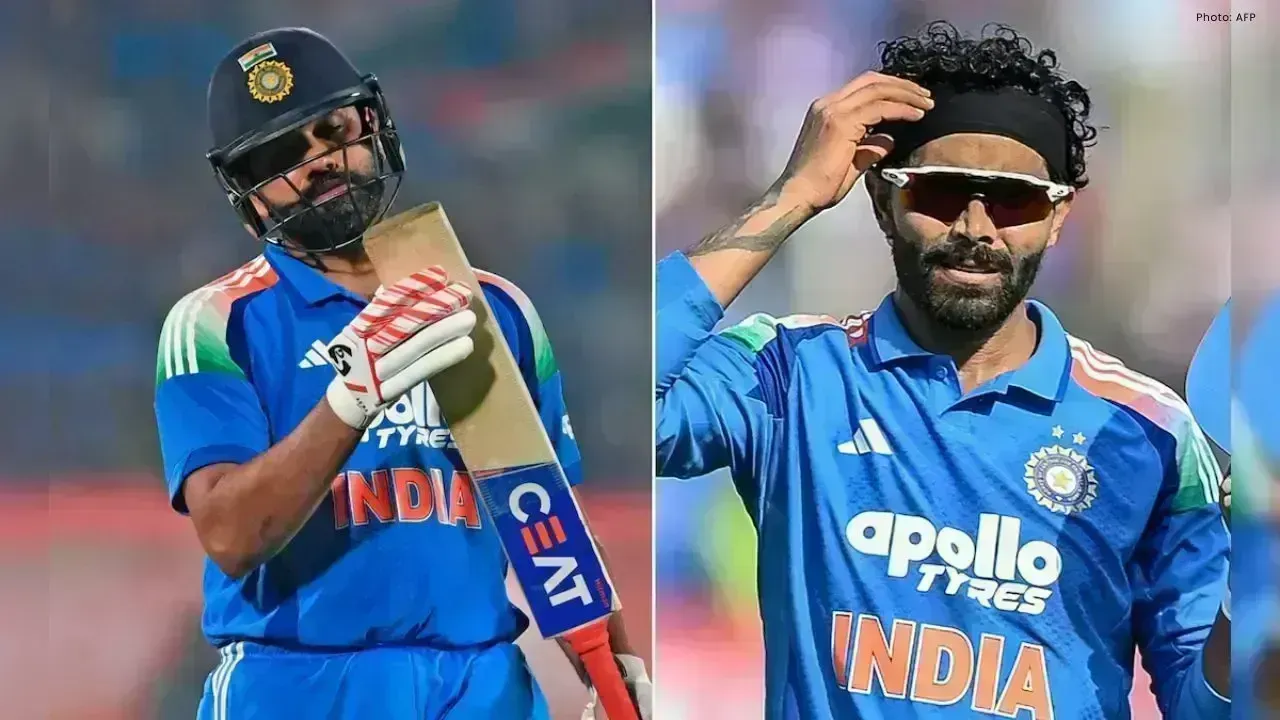
A significant worry was Rohit Sharma's performance at the top of the lineup. Generally known for his aggressive style, Rohit struggled to establish his rhythm throughout the series. Rather than giving swift starts, he appeared hesitant, which in turn placed additional burden on his partners Shubman Gill and Virat Kohli to score runs early on. Assistant coach Ryan ten Doeschate implied that Rohit's lack of match practice was evident in his performance.
Adding to India's woes was Ravindra Jadeja’s lackluster showing. Typically dependable with both bat and ball, Jadeja failed to leave a mark in this series. His middle-over bowling lacked bite, enabling New Zealand batsmen to score with ease. In the final ODI, he conceded 41 runs in six overs without claiming a wicket, encapsulating his ineffective outing. With bat in hand, scores of 4, 27, and 12 raised pivotal questions about his form and place in the squad. India surely missed a Jadeja who can anchor matches with steadiness and composure.
The collapse of the middle order was yet another critical factor in the series loss. In the decisive third ODI, India tumbled from a solid position of 28 without loss to 71 for 4 in a mere nine overs. Shreyas Iyer and KL Rahul struggled to cope with the pressure imposed by New Zealand's disciplined bowling attack. While Virat Kohli's commendable 124 runs stood out, the rest of the batting lineup offered minimal support. Nitish Kumar Reddy showed determination with a quickfire 52, but the lack of meaningful partnerships ultimately led to disappointment.
This series laid bare several weaknesses in India's ODI structure. Subpar starts, ineffective all-round performances, and a repeatedly faltering middle order proved detrimental against a well-drilled New Zealand unit. Although defeats are part of the sporting journey, a loss on home soil serves as a vital red flag. The management faces crucial decisions ahead in order to address these shortcomings before upcoming challenges.
Ultimately, this loss should be viewed as a teaching moment rather than a setback. With candid introspection, strategic planning, and renewed efforts by senior players, India can rise back stronger. The talent is undoubtedly there, but consistency and accountability will dictate the team’s future trajectory.










PM Modi Pays Tribute to Mahatma Gandhi, Urges People to Support Khadi
PM Modi pays tribute to Mahatma Gandhi on Gandhi Jayanti and urges citizens to support Khadi and the

Amazon Seeks to Offload $8 Billion in Nvidia Chips to Investors
Amazon plans to move $8 billion in Nvidia chips to investors, using a new financing model to strengt

Samsung Raises Galaxy S26 Prices as Memory Chip Costs Rise
Samsung raises Galaxy S26 prices in South Korea as rising memory chip costs put pressure on smartpho

Lewis Hamilton Calls Singapore Grand Prix One of F1's Toughest Races
Lewis Hamilton discusses the demanding Singapore Grand Prix and brings Plus44 and Almave to Singapor

Denmark's Pandora Opens World's Largest Jewellery Factory in Vietnam
Pandora opens its largest jewellery factory in Vietnam, expanding global production, strengthening s

Gautam Gambhir Questions Batting-Friendly Pitches After India's Record ODI Chase
Gautam Gambhir questions batting-friendly ODI pitches after India’s record chase, calling for a bett

