You have not yet added any article to your bookmarks!
Join 10k+ people to get notified about new posts, news and tips.
Do not worry we don't spam!

Post by : Vansh
Sports have always played a significant role in Asian societies, serving as a reflection of culture, tradition, and social values. From ancient martial arts in China to traditional wrestling in India, sports in Asia have a rich history that continues to influence modern competition. Over the centuries, Asian countries have not only preserved their traditional games but have also embraced global sports, creating a dynamic blend of heritage and contemporary athleticism.
The origins of many Asian sports lie deep in history, often linked to rituals, military training, or physical development. Martial arts such as karate, judo, and taekwondo were initially developed for self-defense and discipline, reflecting the philosophical and ethical values of their respective cultures. Similarly, archery, wrestling, and boat racing were more than recreational activities—they symbolized courage, strength, and teamwork.
Traditional sports often carried cultural significance beyond physical performance. For example, sumo wrestling in Japan is not just a sport; it is a ceremonial practice with deep religious and cultural roots. These activities helped strengthen community bonds and preserved local heritage, emphasizing the role of tradition in shaping sports identity across Asia.
With globalization and increased exposure to international sporting events, sports in Asia have evolved to embrace modern formats. The 20th and 21st centuries marked the rise of organized leagues, professional tournaments, and Olympic participation for many Asian countries. Countries like China, Japan, and South Korea began investing heavily in training facilities, sports science, and international coaching expertise to compete at a global level.
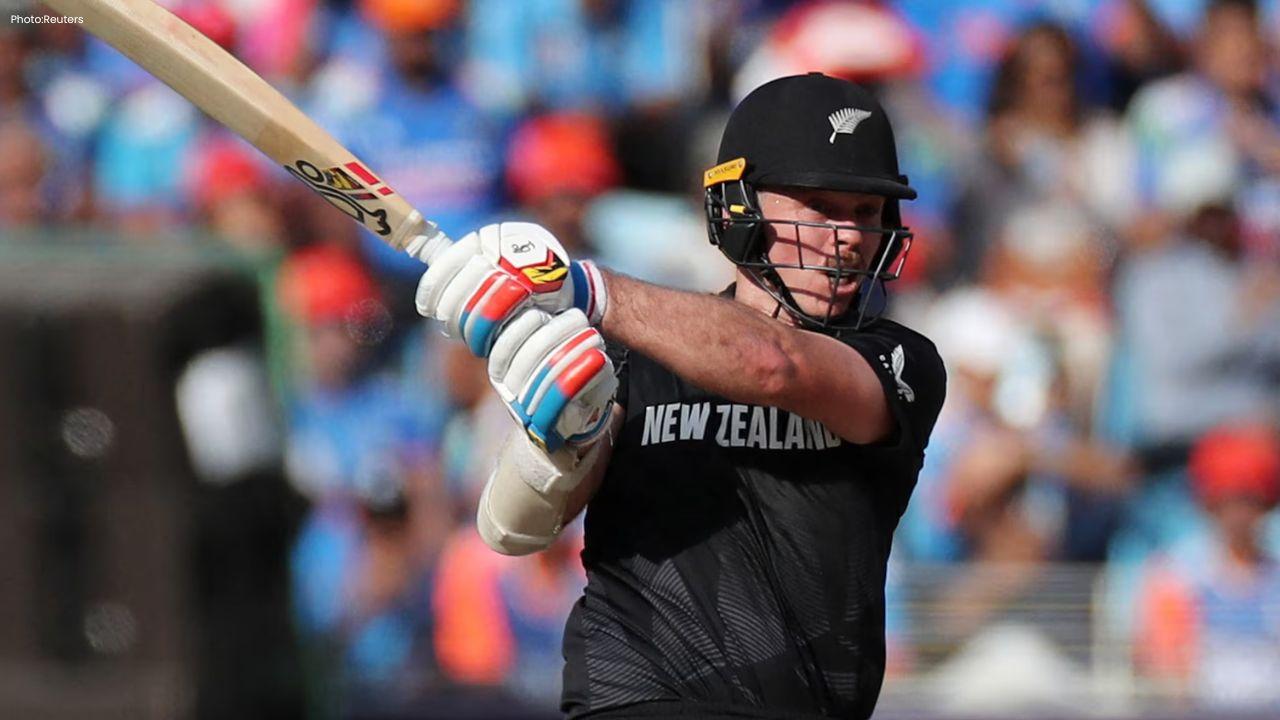
Modern sports such as football, basketball, and cricket have become immensely popular across Asia. Cricket, for example, has a massive following in South Asia, especially India, Pakistan, and Sri Lanka, while football leagues in Japan and South Korea have drawn attention to the region on the global stage. This evolution reflects how modern competition has merged with traditional athletic practices to create a unique sporting landscape in Asia.
Disclaimer: The content of this article is intended for informational and educational purposes only. It does not constitute professional advice or recommendations. Readers are encouraged to conduct their own research or consult experts for specific guidance. The opinions and information shared in this article do not necessarily reflect the official views of newsableasia news.










France’s Sesterce Plans $11 Billion AI Data Centre in Finland
Sesterce plans a $11 billion AI data centre in Finland, with major expansion, green energy plans and

Danaher to Launch AI-Powered Autonomous Research Lab in 2027
Danaher plans an AI research lab for 2027, combining robotics and automation to speed up drug discov

Musk Welcomes German Support for Tesla Driver Assistance Tech as EU Approval Push Continues
Elon Musk welcomes Germany's backing for Tesla FSD as the company seeks EU approval amid speed, safe

Microsoft and Nvidia CEOs to Unveil AI Laptop at San Francisco Event
Microsoft and Nvidia showcase a new AI laptop with RTX Spark chips as they push powerful local AI co

Man to face charges over perfume thefts at Changi Airport
A 47-year-old man faces charges over perfume theft at Changi Airport after six items worth nearly S$

Google Signs 3.6-GW Power Deal With Constellation Energy in US
Google signs a 3.6-GW power deal with Constellation Energy, including nuclear power upgrades to supp