
You have not yet added any article to your bookmarks!
Join 10k+ people to get notified about new posts, news and tips.
Do not worry we don't spam!
Post by : Laxmi Verma
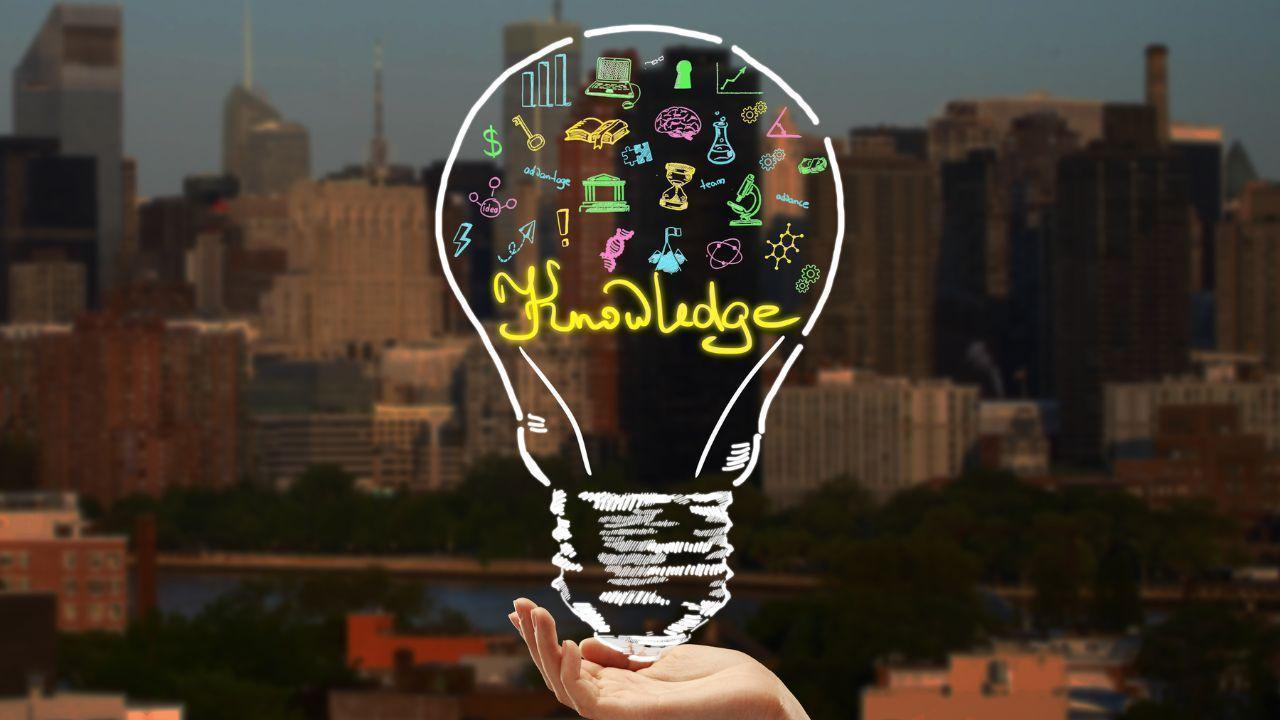
In a world that’s constantly evolving, the ability to innovate and grow has become the heartbeat of progress. Businesses are transforming, industries are adapting, and individuals are redefining their roles in this fast-paced environment. At the core of this transformation lies the power of skills in driving innovation and growth.
Gone are the days when degrees alone guaranteed success. Today, it’s the right blend of technical knowledge, creative problem-solving, and human-centered capabilities that make individuals and organizations thrive. Skills are no longer just tools for employment—they are engines of evolution.
For many years, education systems and employers emphasized knowledge—what you know. But in today’s digital economy, how you apply what you know is far more important. The focus has shifted toward skills like adaptability, critical thinking, digital fluency, and collaboration.
As industries become more tech-driven and competitive, the need for highly skilled talent has grown. Whether it’s an AI engineer designing cutting-edge algorithms, or a marketing strategist interpreting customer data for smarter campaigns, innovation comes from people who can use their skills to think differently and act decisively.
Innovation doesn’t happen by accident. It is sparked when skilled individuals come together, share ideas, and solve problems. In every successful startup, breakthrough technology, or social movement, you’ll find people whose skill sets allow them to challenge the norm.
The power of skills in driving innovation and growth is evident in how companies empower teams with diverse abilities. For example, when a designer with emotional intelligence collaborates with a coder proficient in emerging tech, their combined skills can produce products that are not just functional but deeply human.
Problem-solving, creativity, communication, and digital literacy are often labeled as “soft skills,” but they’re actually power skills that form the foundation for innovation.
Beyond the impact on individuals and companies, skills drive economic growth at a national and global level. Countries that invest in upskilling their workforce tend to enjoy higher productivity, increased competitiveness, and improved quality of life.
Take the example of countries like Singapore and Finland, which have long prioritized skill development as a pillar of their national strategy. Their economies have thrived, not just through investment in infrastructure, but through creating a highly adaptable, future-ready workforce.
When employees are skilled, businesses perform better. They adapt to market changes more effectively, introduce new products faster, and create customer experiences that lead to long-term success.
As artificial intelligence, automation, and data analytics reshape jobs, the nature of the skills required is also changing. According to the World Economic Forum, by 2025, half of all employees will need reskilling. That means the future belongs to those who are willing to learn, unlearn, and relearn.
In this digital-first era, technical skills like data science, cloud computing, machine learning, and cybersecurity are in high demand. However, human-centered skills like leadership, empathy, collaboration, and adaptability are equally vital—and irreplaceable by machines.
Companies that foster a learning culture—where employees regularly update and expand their skill sets—will have a significant edge over competitors in terms of innovation and resilience.
To truly harness the power of skills in driving innovation and growth, organizations must prioritize continuous learning. This means investing in employee development, offering access to online courses, workshops, and mentorship programs.
It also means creating a work environment where curiosity is encouraged and experimentation is safe. Innovation thrives in places where people feel empowered to take risks, ask questions, and challenge assumptions.
Leaders play a critical role here. When leadership models the importance of learning and demonstrates skill-building as an ongoing process, it sets the tone for the entire company.
The future of work is not just about automation or remote jobs—it’s about skilled people leading change. We are entering an age where success isn’t determined by how much you know, but how quickly you can learn something new.
People who actively grow their skills—whether through formal education, online platforms, or hands-on experience—are the ones who will drive progress in every field, from technology and healthcare to education and climate action.
Equipping students, employees, and even entrepreneurs with the right skill sets means preparing them to lead, innovate, and grow in an ever-changing world.
The content in this article, "The Power of Skills in Driving Innovation and Growth," is for informational and educational purposes only. While every effort has been made to ensure the accuracy of the information provided, readers are encouraged to seek professional guidance where appropriate. The author and publisher assume no responsibility for any decisions made based on this content.









Google Signs 3.6-GW Power Deal With Constellation Energy in US
Google signs a 3.6-GW power deal with Constellation Energy, including nuclear power upgrades to supp

Harmanpreet Kaur Steps Down as India Captain Across All Formats
Harmanpreet Kaur steps down as India captain across all formats after a remarkable leadership journe

Michael Bracewell Chooses Casual Contract, Targets BBL Opportunity
Michael Bracewell moves to a casual contract as he eyes a BBL opportunity while remaining available

Tuchel Says Alex Scott Can Challenge Declan Rice for England Midfield Spot
Thomas Tuchel says Alex Scott can challenge Declan Rice for an England midfield place after his impr

Air Quality Turns Unhealthy in Central and Western Singapore Amid Haze
Singapore haze pushes PSI above 100 in central and western areas as smoke from regional hotspots rai

PM Modi Pays Tribute to Mahatma Gandhi, Urges People to Support Khadi
PM Modi pays tribute to Mahatma Gandhi on Gandhi Jayanti and urges citizens to support Khadi and the

