You have not yet added any article to your bookmarks!
Join 10k+ people to get notified about new posts, news and tips.
Do not worry we don't spam!
Post by : Samjeet Ariff
A balanced gut is crucial for overall health. It influences not just digestion but also immunity, mood, and metabolism. Many individuals, however, overlook how their daily dietary habits impact their gut health.
You won’t need a restrictive eating plan or pricey supplements to enhance digestion—often, making simple food swaps that nourish beneficial gut bacteria and lower inflammation is all you need.
Let’s delve into 7 straightforward changes you can initiate today to foster a healthier gut, enhance energy, and feel your absolute best—naturally.
While white bread is soft and tempting, it lacks fiber and essential nutrients because of processing. It provides quick energy that spikes blood sugar levels and leads to a rapid decline.
Whole-grain bread, however, is filled with fiber, vitamins, and minerals that nourish beneficial gut bacteria and promote seamless digestion.
Fiber boosts the growth of healthy gut microbes.
It promotes regular bowel movements and helps fend off constipation.
Keeps you satisfied for longer, curbing cravings and overeating.
Opt for bread marked as “100% whole grain” or “whole wheat” and steer clear of varieties containing refined flour or added sugar. For added gut benefits, consider sourdough bread—its fermented nature aids digestion.
Although flavored yogurts seem healthy, they are often teeming with added sugars, artificial flavors, and preservatives, all of which can disrupt your gut microbiome.
Instead, turn to plain Greek yogurt, rich in probiotics—the good bacteria that enhance digestion, immunity, and even emotional health.
Probiotics in yogurt help maintain the gut microbiome balance.
Greek yogurt contains more protein and less sugar compared to regular yogurt.
It helps improve lactose digestion and may alleviate bloating for many.
Add natural sweetness by incorporating fresh fruits, honey, or a sprinkle of chia seeds for an extra boost of fiber and omega-3s.
Sugary sodas and artificially flavored drinks are notorious for harming your gut health. They contribute empty calories and can disrupt gut bacteria while increasing inflammation.
Opt for kombucha, a lightly fermented tea full of probiotics and antioxidants. If kombucha doesn't appeal to you, try fruit-infused water—refreshing, hydrating, and all-natural.
Kombucha encourages a diverse gut microbiome.
It helps decrease sugar intake, thereby stabilizing blood sugar levels.
Proper hydration aids in smooth digestion and nutrient absorption.
When selecting kombucha, be sure to check for low sugar and live cultures listed in the ingredients.
Fried foods may be comforting, yet they typically contain high amounts of trans fats, which can escalate inflammation and disturb gut bacteria balance.
Choosing grilled, baked, or air-fried alternatives can reduce fat intake and keep nutrients intact while still satisfying your cravings.
Less oil and fat simplifies digestion and lightens liver workload.
It mitigates inflammatory responses in the body.
Supports gut barrier integrity, safeguarding against issues like bloating and leaky gut.
Utilize healthy oils such as olive oil or avocado oil, and flavor with herbs and spices like turmeric, garlic, or ginger—each known for their gut-friendly properties.
Chips, cookies, and crackers might be convenient, but they can severely disrupt gut health due to refined flour, sugar, and chemical additives.
Consider nuts and seeds like almonds, walnuts, chia seeds, or flaxseeds, as they are abundant in fiber, healthy fats, and polyphenols that support beneficial gut bacteria.
Provides prebiotic fiber that feeds healthy microbes.
Helps balance blood sugar levels while reducing inflammation.
Contributes to healthy digestion and daily regularity.
Snack on a handful of unsalted nuts, or incorporate them into yogurt, salads, or smoothies for additional crunch and nutrients.
While moderate red meat can be fine, excessive consumption can lead to gut inflammation, heart disease, and digestive issues.
Switching to plant-based proteins like lentils, chickpeas, quinoa, and tofu offers fiber and phytonutrients that meat lacks—both vital for gut and overall health.
Plant foods are high in soluble fiber, serving as nourishment for healthy bacteria.
Lowers harmful gut bacteria associated with inflammation and disease.
Encourages regular bowel movements and minimized bloating.
If you're not prepared to go entirely plant-based, try “Meatless Mondays” for a weekly gut reset.
While we all enjoy a treat, processed desserts loaded with sugar and fat can be detrimental to gut health, spike insulin levels, and impede metabolism.
Satisfy your sweet cravings with fruit-based desserts such as baked apples, frozen banana treats, or chia pudding. Fruits offer natural sugars, fiber, and antioxidants that enhance gut health while lessening cravings.
Natural sugars are simpler for the body to manage.
Antioxidants assist in combating inflammation.
Fiber bolsters digestion and nurtures a balanced microbiome.
Add a drizzle of dark chocolate or nut butter over fruits for an extra flavor boost—dark chocolate is rich in polyphenols beneficial for your gut bacteria.
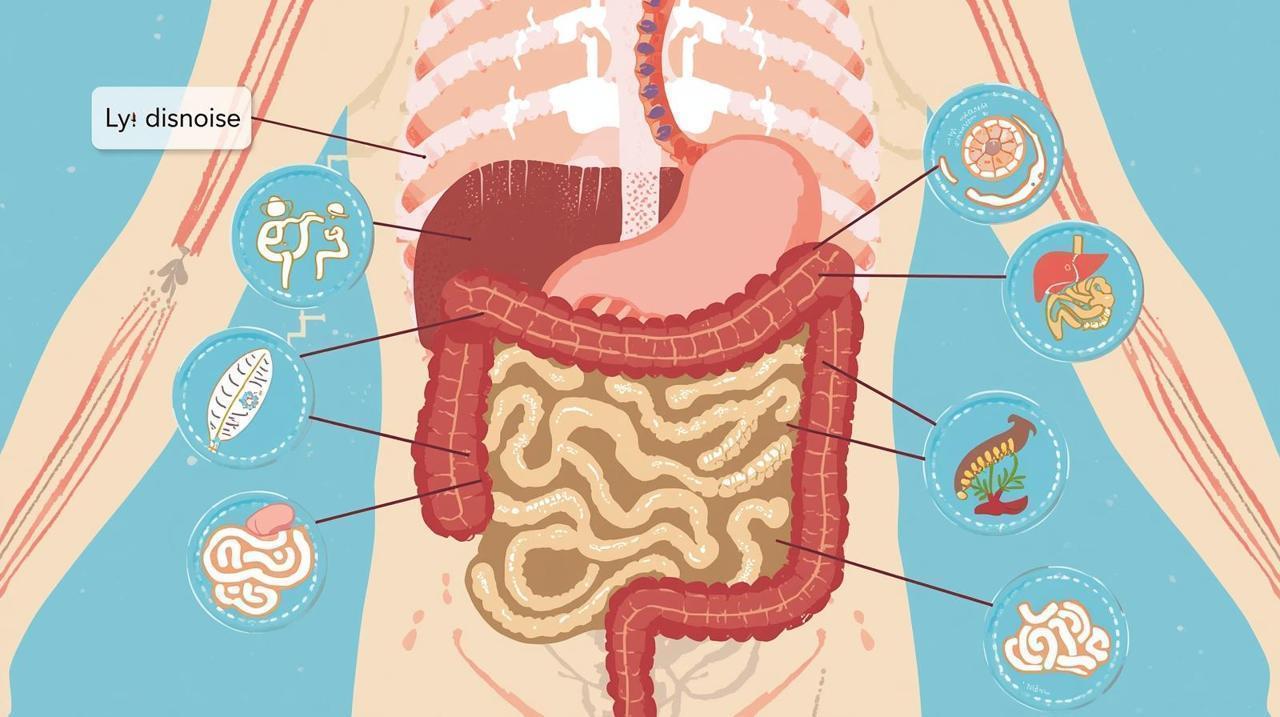
Your gut is home to trillions of microorganisms known as the gut microbiome. These organisms are crucial for digestion, nutrient absorption, immune defense, and even mental well-being.
A diet filled with processed foods, sugars, and unhealthy fats promotes harmful bacteria in your gut, leading to symptoms like bloating, fatigue, reduced immunity, and mood fluctuations.
By implementing these simple swaps, you can:
Encourage healthy gut bacteria diversity.
Strengthen your digestive system.
Mitigate inflammation and reduce bloating.
Enhance mental clarity and energy.
Consider your gut as a garden—feeding it the right nutrients (fiber, probiotics, and whole foods) fosters growth and supports your overall well-being.
Practice slow, mindful eating to enhance digestion.
Maintain hydration—water aids in breaking down food and nutrient absorption.
Incorporate fermented foods like kimchi, kefir, and sauerkraut in your meals.
Manage stress, as elevated cortisol can disrupt gut balance.
Ensure you get adequate sleep to allow your body a chance to heal and reset.
You don’t need to reinvent your diet overnight to cultivate a healthier gut. The tiniest changes might yield the greatest long-term advantages.
By adhering to these seven straightforward food swaps—opting for whole grains, probiotics, plant proteins, and natural sweeteners—you won't just enhance digestion, but also uplift your immunity, mood, and energy levels.
Keep in mind that achieving gut health isn’t about achieving perfection—it’s about consistency. Each healthy choice you make today brings you one step closer to a happier, healthier tomorrow.










Singapore Haze: PM2.5 Pollution Rises in Three Regions
Singapore haze worsens as PM2.5 reaches high levels in three regions. Check air quality, health risk

G7 to Hold AI Cybersecurity Exercises to Protect Financial Systems
G7 finance leaders will conduct AI cybersecurity exercises to prepare for cyber attacks and protect

Spain's Diego Poncelet Sets Skateboarding World Speed Record
Spain's Diego Poncelet reaches 151.83 km/h in a record-breaking downhill skateboard run in Canada, s

Hyundai Recalls 94,622 US Vehicles Over Potential Fire Risk
Hyundai recalls 94,622 US vehicles over overheating seat motors. Check affected Genesis models, fire

Nvidia Pledges $250 Million for UK AI Safety Research
Nvidia will provide $250 million in computing resources over five years to support AI safety researc

Jacob Bethell Returns as England Name Squads for Australia Tour
England name ODI and T20 squads for the Australia tour, with Jacob Bethell returning from injury and