
You have not yet added any article to your bookmarks!
Join 10k+ people to get notified about new posts, news and tips.
Do not worry we don't spam!
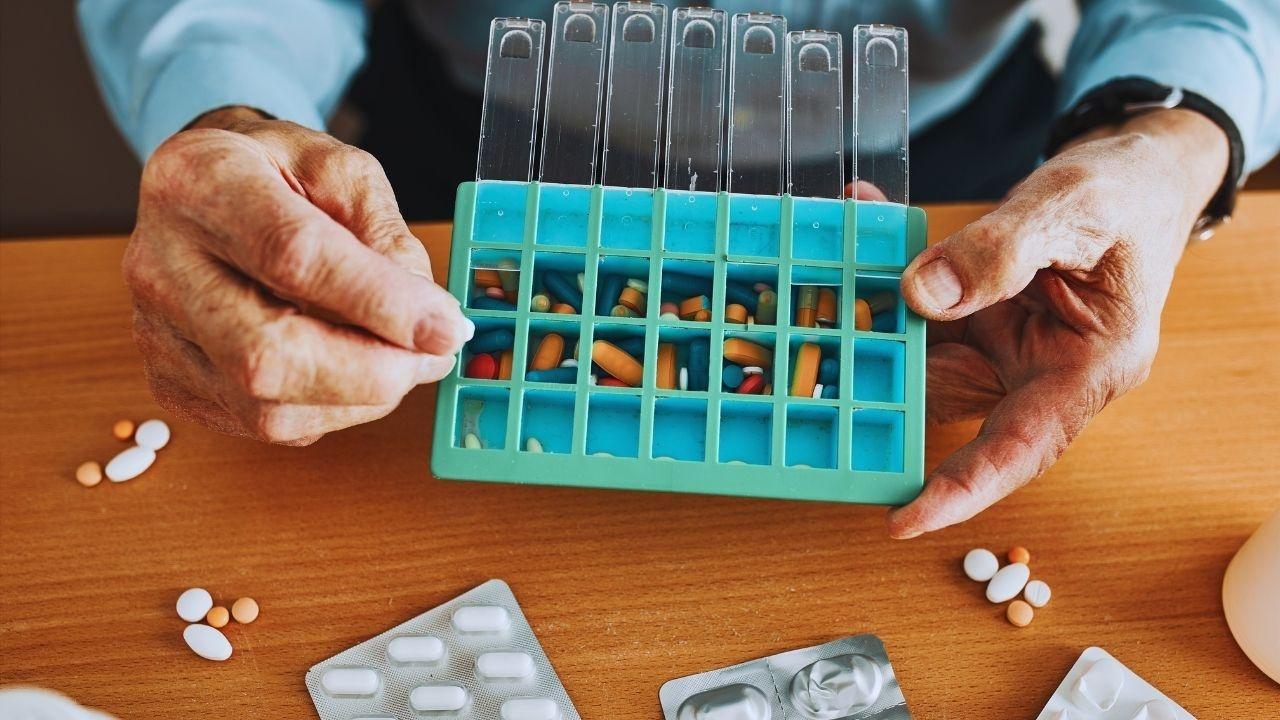
Post by : Anis Farhan
Healthcare is evolving from traditional medical facilities to the comfort of our homes. A significant shift is happening, introducing technological support, efficient monitoring, and effective medication management directly into Indian households. As India faces an aging population, increasing lifestyle diseases, and greater technological integration, smart medicine dispensers and connected home health technologies emerge as pivotal allies for well-being.
From automated pill dispensers and voice reminders to smart health monitors and AI-driven fall-detection systems, technology is now making life easier for families and caregivers. The once imagined technology is now reshaping day-to-day health practices.
It's not just about gadgets; it’s about autonomy, safety, dignity, and peace of mind. It ensures that medications are taken on time, health indicators are monitored, and there's no need for frequent hospital visits. It provides seniors with ease while giving peace of mind to busy families and offering support to those with chronic ailments.
India’s home health revolution is not on the horizon;
it is here, and expanding fast.
Conditions such as hypertension, diabetes, and heart diseases demand regular medication and monitoring.
Ignoring doses can lead to:
Severe spikes in blood pressure or sugar levels
Hospitalization and complications
Decreased effectiveness of treatments
Technological solutions minimize mistakes and lapses in memory.
The number of older adults in India is on the rise. Many seniors live independently, occasionally assisted by family members due to work or distance. Smart dispensers and health-tracking devices enable secure living with adequate support.
Amidst busy schedules, families often struggle to monitor medication adherence. Automation introduces regularity to care, reducing stress.
After surgeries or during rehabilitation, structured in-home care can minimize readmissions and support healing.
Conventional pill boxes depend on human memory. Smart dispensers automate dispensing and help avert errors.
Timed pill dispensing
Mobile alerts via sound/light
Lock mechanisms to prevent misuse
Notifications for missed doses to caregivers
Compartments for multiple medications
Emergency dispensing over-rides
Voice assistant integration for ease
Alerts for medicine refills
Seniors living independently
Individuals remembering challenges
Patients with multiple medications
Those needing chronic care
Caregivers with multiple clients
Families balancing work and caregiving remotely
These devices offer autonomy without compromising safety.
Automatically syncing digital readings to mobile apps for tracking and alerts.
Continuous insights for diabetic patients, moving beyond simple readings.
Early detection can save lives concerning heart and respiratory troubles.
Helpful for monitoring fevers, especially in kids.
Integration with fitness apps to observe weight goals effectively.
Beneficial for those with respiratory challenges.
Smart wearables and home devices alert families or emergency contacts upon a fall.
Crucial for seniors with memory issues, offering real-time monitoring for safety.
Smart speakers assist seniors in reminders, calls, and setting appointments without the need for screens or buttons.
Connecting home setups with healthcare professionals for diagnosis and visits.
Minimized worries and consistent support, especially when distance is a factor.
Maintaining dignity and independence along with substantial support.
Empowering proactive health management instead of reactive interventions.
Alleviating burdens from hospital systems through improved preventive care.
This technology has a human touch—it's tech that genuinely cares.
Professionals ensure continuous care for their parents remotely through these technologies.
Smart dispensers help organize care for various residents.
Affordable tech solutions also reach rural seniors, aided by telehealth services.
With hectic lifestyles, ensuring consistent medication for children becomes straightforward.
Growing numbers of seniors seek assistance while retaining autonomy.
Modern lifestyles increase dependence on technological assistance.
More chronic conditions necessitate home monitoring rather than hospital visits.
With more affordable options available, accessibility is increasing.
Many wish to monitor health proactively rather than merely addressing issues.
Some seniors may find technology challenging; intuitive interfaces and voice commands are crucial.
High-end devices can be costly, but increasing competition is driving prices down.
People need training to engage with these tools confidently.
Confidentiality of medical data is vital, necessitating privacy-conscious innovations.
Early detection of potential heart issues or sugar spikes may become possible.
Single applications for managing medicines, health indicators, doctor communications, dietary assistance, and family updates.
Smart equipment facilitates professional healthcare delivery at home.
“Alexa, remind me to take my heart meds.”
“Google, schedule my doctor's visit.”
Integrating sensors into various parts of the home to provide timely alerts.
Smart medicine dispensers and home health technology are revolutionizing caregiving. They represent a shift where health care isn't just associated with hospitals; it's part of daily living in households, in the company of loved ones and accessible care.
This transformation is about more than convenience—it embodies dignity, independence, compassion, and comfort. It’s the blend of empathy with technology, tradition with modernity.
A future where homes act as health-support hubs, providing care that feels effortless, secure, and empowering.
The revolution in home health isn’t on the way—it’s already taking place, one smart solution at a time.
This article provides general information regarding home health technologies. It is advisable for users to consult medical professionals and assess devices specific to their healthcare needs.




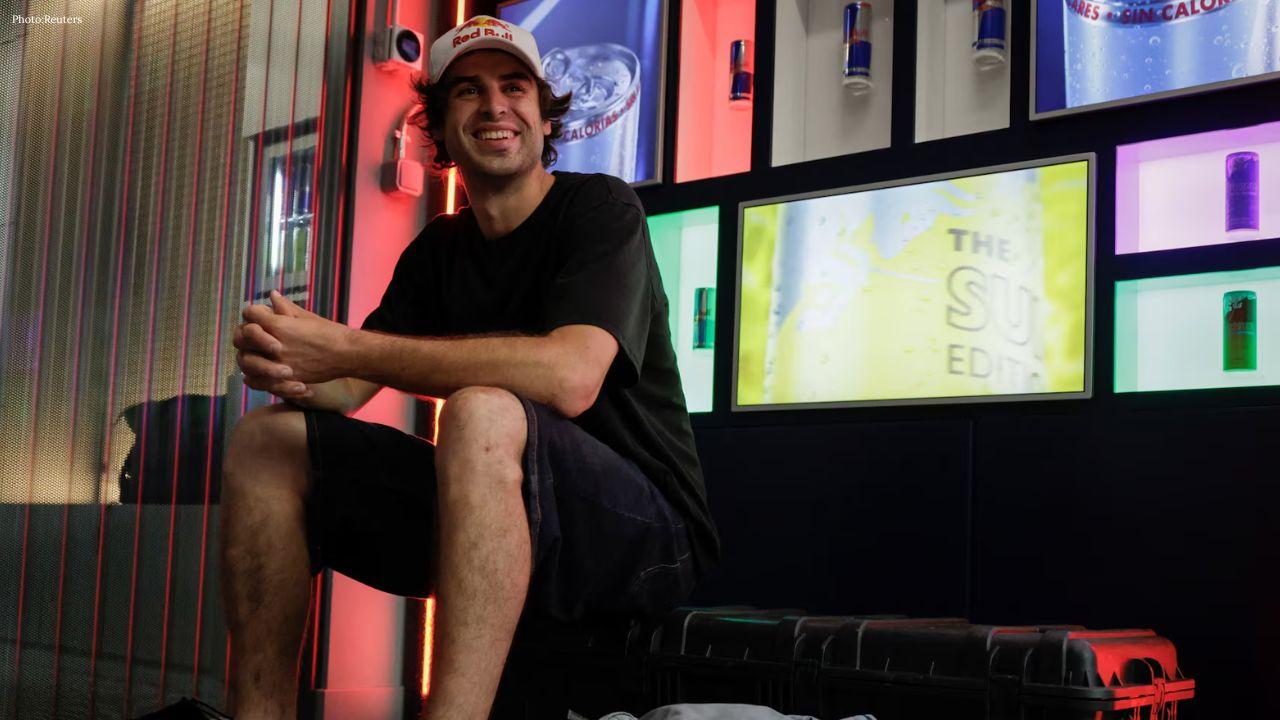



Spain's Diego Poncelet Sets Skateboarding World Speed Record
Spain's Diego Poncelet reaches 151.83 km/h in a record-breaking downhill skateboard run in Canada, s

Hyundai Recalls 94,622 US Vehicles Over Potential Fire Risk
Hyundai recalls 94,622 US vehicles over overheating seat motors. Check affected Genesis models, fire

Nvidia Pledges $250 Million for UK AI Safety Research
Nvidia will provide $250 million in computing resources over five years to support AI safety researc

Jacob Bethell Returns as England Name Squads for Australia Tour
England name ODI and T20 squads for the Australia tour, with Jacob Bethell returning from injury and

Beauden Barrett Opens Up About Mental Struggles During All Blacks Exile
Beauden Barrett discusses his confidence struggles after missing six tests, his return against Austr

IMF Says AI Investment Supports Global Growth Despite Energy Shock
IMF says AI investment is supporting global growth near 3%, with Asian economies benefiting from ris

